
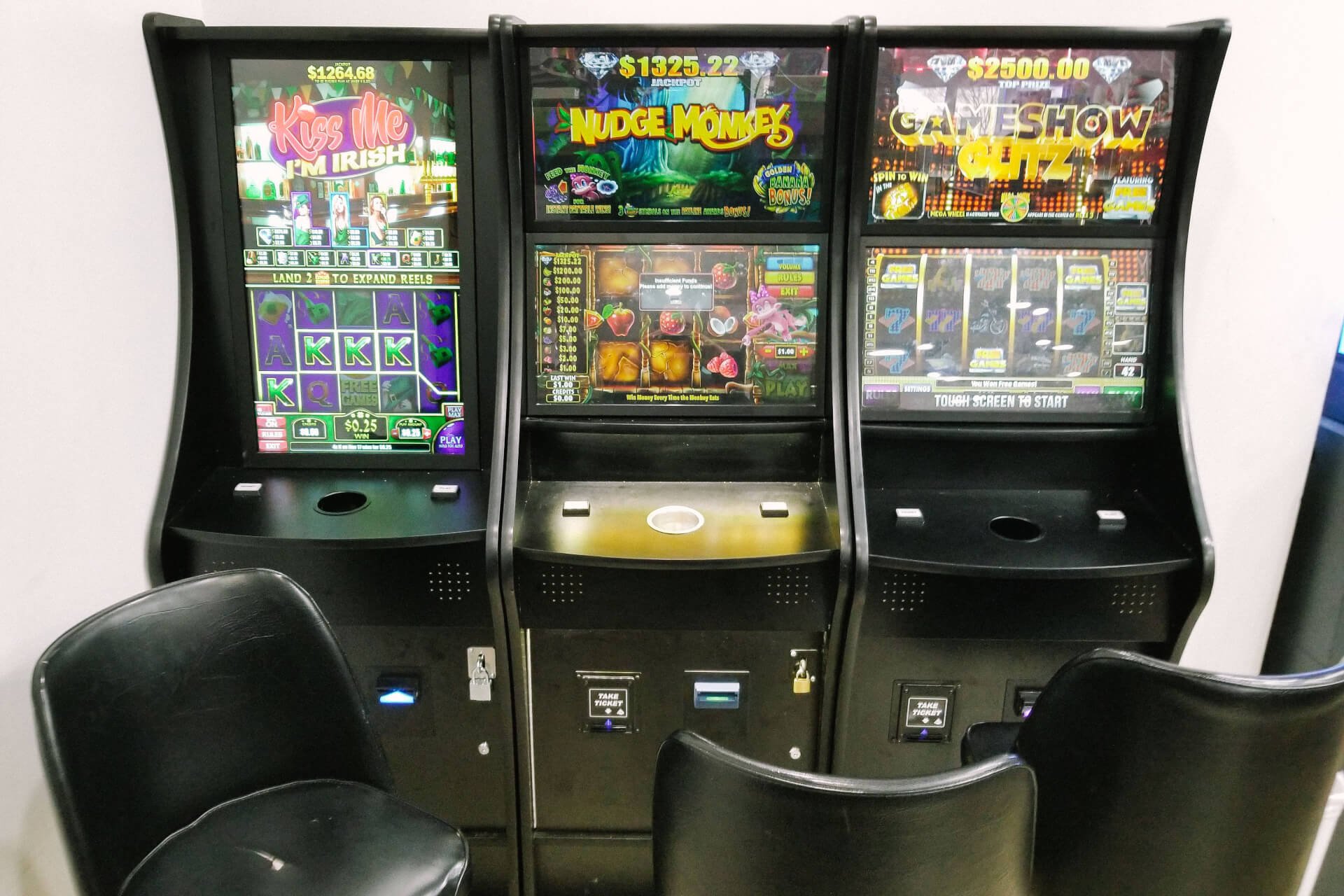
Skill games in Virginia are electronic games that, while resembling slot machines, require a player’s dexterity, timing, or knowledge to win, rather than relying solely on chance.
Virginia’s gaming landscape can be confusing, especially when terms like ‘skill games’ get thrown around. So, what are skill games in Virginia exactly? These games present an interesting alternative to traditional casino games. They are not just about luck.
Instead, skill games demand players use specific abilities or understanding of the game to influence the outcome. They often involve elements of hand-eye coordination or strategic thinking. This makes them quite different from simple games of chance.

What Are Skill Games in Virginia?
Okay, let’s talk about skill games in Virginia! You might have seen them at gas stations or convenience stores, looking a bit like video games or slot machines. But are they really just like those things you see in casinos? The answer is a bit complicated, and that’s what we’re going to explore today. These games aren’t based solely on luck, like rolling dice or spinning a wheel. Instead, they involve a level of player ability or a specific strategy to win, so they are called “skill games”.
Defining Skill Games
So, what exactly makes a game a “skill game”? It’s all about whether your success depends more on what you do (your skill) rather than pure chance (luck). Think about it like this:
Games of chance: These are things like a lottery or traditional slot machines. No matter how good you are, your chances of winning are pretty much the same every time. You can’t improve your odds.
Games of skill: These are games where practice, strategy, and knowing what to do can actually help you win more often. Think of games like basketball, chess, or even some video games. The better you get, the better your chances are.
Skill games in Virginia try to blend these two ideas. They often have a random element to them, but they also require the player to make decisions or act in a way that can affect the outcome. Let’s dive deeper into how this works.
How Skill Games Work in Virginia
The skill games you find in Virginia usually involve a screen and some buttons or a touchscreen. Here’s how they generally operate:
The Display: The game screen will show colorful symbols, patterns, or sometimes even cartoon characters. These aren’t just for show; they’re part of the gameplay.
The Goal: Your goal is to match or align these symbols in a way that the game decides is a win. This might mean getting three in a row, or creating a specific pattern.
The Skill Part: Here’s the important bit: while the symbols or patterns appear randomly, the games have elements where the player needs to respond, use their mind to decide the next step. This can include stopping spinning wheels, remembering patterns, or selecting a matching symbol from a grid.
The Outcome: Depending on how well you performed (how fast your reaction was, how good your memory is), you either win a prize or you don’t. It’s this player input that helps the game be considered a “skill” game.
These aren’t like traditional slot machines because your actions have a noticeable effect on the outcome. A skilled player would have better odds than a new player. This is the main difference between chance-based games and skill-based games.
The Legal Landscape of Skill Games in Virginia
The legal situation around skill games in Virginia has been pretty complex. For a long time, these games existed in a bit of a gray area. Let’s look at the timeline:
Initial Popularity: These games grew very popular in stores, giving store owners a way to earn extra income, and players an enjoyable way to spend some time.
Legislative Changes: Due to their increasing popularity, the state started looking closely at these games. They wanted to determine if they were truly skill-based, or if they were just a way to bypass laws about gambling.
Brief Ban: There was a period where skill games were banned in Virginia. This caused some confusion and created problems for businesses that relied on these games for income.
Current Status: Now, the laws about skill games in Virginia are ever-changing. The debate continues about whether they are harmless entertainment or something that should be more regulated. You might see a change in regulations in future.
Why the Legal Debate?
The big question is, “How much skill is enough to make a game legal?” Here’s why this is so tough to figure out:
Defining “Skill”: It’s not always easy to measure “skill” in a game. Is it how fast you press a button? How good your memory is? The difficulty is in drawing the line between chance and skill.
Potential for Abuse: Some worry that skill games can still be used for gambling, especially if they get addictive or if some are programmed in a way that is not truly fair.
Fairness Issues: Sometimes, games might claim to be skill-based when they still heavily rely on chance. This can create confusion among players and lead to an unfair experience.
The State has to figure out how to make sure that the games are fair and don’t hurt people, while also letting businesses operate properly. It’s a tough balance to get right.
Types of Skill Games You Might See
Skill games come in many different forms, so it’s good to know what to expect when you see them in stores. Here are a few examples:
Line Matching Games: The player tries to line up similar symbols on a reel or on a screen by stopping them at the correct moment. Timing and accuracy are key.
Memory Games: These games will display a sequence or pattern of symbols or colors. The player then has to remember the pattern and re-create it. Memory and concentration play an important role.
Pattern Recognition Games: Here, players must look at different types of symbols and find ones that match a specific target. These games require visual and cognitive skills.
Reaction Time Games: These test how quickly you can respond to a visual or auditory cue. The speed of your reactions can help to win the game.
It is good to keep in mind that these games are constantly evolving, and new ones with unique skill-based elements will always be introduced.
Who Plays Skill Games and Why?
Skill games attract a variety of people, each with different reasons for playing. Let’s look at some of the motivations:
Entertainment: For some, it is a simple way to enjoy time and have some fun. It’s like playing a quick game on your phone or computer, but with a chance to win a prize.
Challenge: Some players enjoy the challenge of improving their skill. They see it as a way to measure their focus, memory, and hand-eye coordination.
Social Interaction: Stores or arcades with these machines can become social spaces, where people come to relax and enjoy the games together.
Potential Rewards: Of course, the chance to win money or prizes is a big draw for many. Even though these are considered skill-based games, the possibility of winning something adds excitement.
However, it’s also important to remember that these games can become addictive, just like some regular video games. This is why it’s important to play responsibly and have a limit.
The Impact of Skill Games on Businesses
Skill games play a significant role in many Virginia businesses. Here’s a look at their impact:
Extra Revenue: Convenience stores, gas stations, and other small businesses often use skill games to bring in additional income. The games can attract customers and encourage them to spend money.
Customer Footfall: Skill games bring in people who might not have stopped at the store otherwise. This can lead to more purchases of other items as well, like snacks or drinks.
Challenges: It’s true that the legal uncertainty around the games can make things difficult. Businesses often don’t know if the games will be allowed from one day to the next, which can make planning hard.
Competition: When skill games become popular, it means stores with these games will have a competitive edge over others who do not.
For businesses, the income from skill games can be useful, but they should always follow the regulations. It also means that they have to always make changes and adapt to the changes in law, rules, or regulations.
Tips for Playing Skill Games Responsibly
If you do enjoy playing skill games, it’s important to do it safely. Here are a few tips for responsible play:
Set a Budget: Before you start playing, decide how much money you are willing to spend and stick to that budget. Don’t try to chase losses.
Take Breaks: Don’t play for long periods without breaks. It is important to stand and stretch or walk around to keep your mind and body healthy.
Don’t Play Under Pressure: Never play if you are stressed or emotionally upset. Make sure you play when you feel happy and content.
See It as Entertainment: Remember that these games are a form of entertainment. Don’t think of them as a way to make money, because they are not a guaranteed way to become rich.
Be Aware of the Risks: Skill games can become addictive for some people, so you should pay close attention to how you’re playing, how much you’re spending and if you are feeling obsessed with playing them. If you find that it’s becoming difficult to stop playing, please seek help.
Responsible gameplay can make sure that you are having fun without causing any problem. Always be mindful and respectful of the rules.
The Future of Skill Games in Virginia
The future of skill games in Virginia is still evolving. The legal landscape changes quickly, and there is still a lot of debate about the regulations. Here’s what we might see in the future:
More Regulation: It is likely that the state will implement stricter rules to clarify which types of games are allowed and how they should operate. This might mean new licensing requirements or limitations on the games themselves.
Technological Improvements: Game designers will probably try to improve these games and bring new kinds of skill challenges for the players. This might mean games that are more visually interesting or more difficult.
Public Education: It will be important for the public to know the differences between skill games, and other forms of entertainment. This will include information about the risks and ways to play responsibly.
Balancing Interests: Policymakers will work to find a balance that takes care of the needs of businesses, while also protecting the people who play these games.
The goal is to have games that are fair, enjoyable, and that follow the law, without causing any harm to the public or small businesses. The debate will continue, and so will changes in law.
In summary, skill games in Virginia are games that attempt to blend chance with skill, where the player’s ability affects their chances of winning. They have become popular in various locations, bringing both fun and economic opportunities. However, there have been legal issues about how much skill is really involved in these games, which led to many discussions and legal changes. As we move forward, it is important that everyone stays aware of these changes and plays responsibly, ensuring the games continue to be enjoyed as entertainment.
Future of skill games remains in doubt in Virginia
Final Thoughts
Skill games in Virginia are electronic gaming devices where a player’s skill, rather than chance, significantly impacts the outcome. These games often resemble slot machines but differ in their emphasis on player input. The legal landscape surrounding them remains complex.
Determining the legality of these devices can be challenging due to the nuances of law. The debate around what are skill games in Virginia continues, leading to various court cases and interpretations.

