
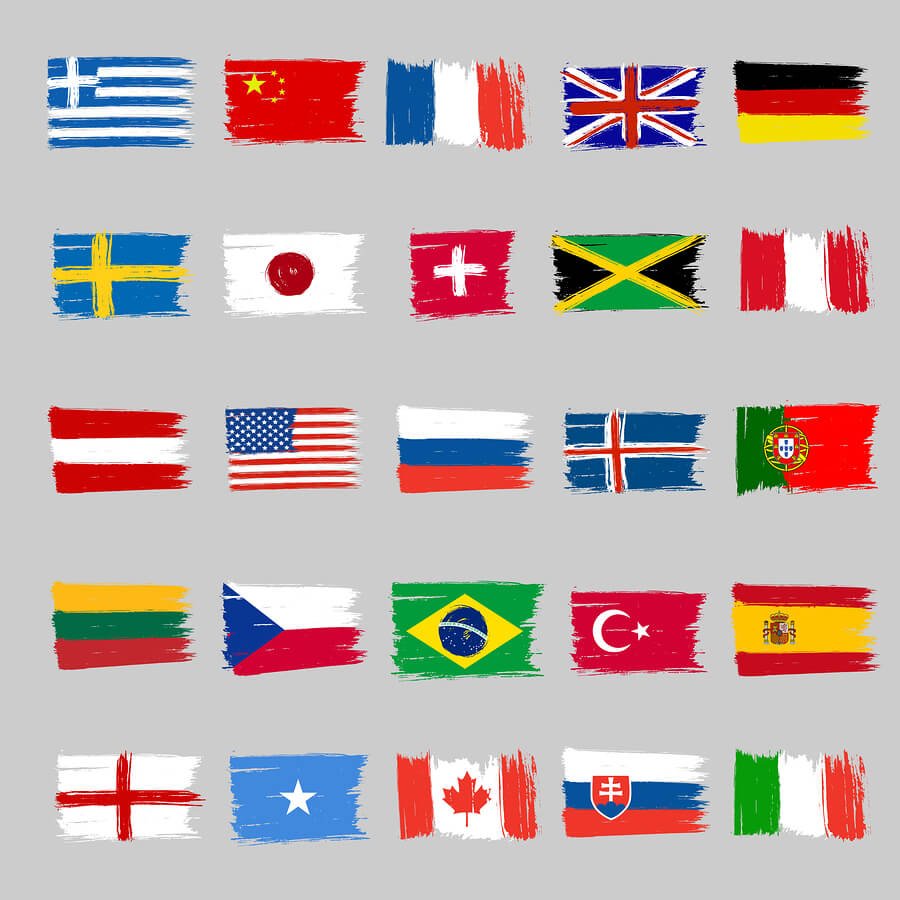
The official languages of the Olympic Games are French and English.
Have you ever wondered about the communication behind the world’s biggest sporting event? It’s a spectacle uniting athletes and fans from every corner of the globe. But how do people from such diverse linguistic backgrounds all interact?
Well, the answer lies in the designated languages used for the Olympics. Knowing what are the official languages of the Olympic Games allows for a smoother organizational process and clearer communication among participants. These specific languages are used for everything from official announcements to athlete interviews.

What are the Official Languages of the Olympic Games?
The Olympic Games, a grand celebration of sportsmanship and global unity, bring together athletes and spectators from all corners of the world. But with so many countries participating, how do people communicate? That’s where official languages come into play. Just like a school has rules, the Olympics has official languages to ensure smooth communication and understanding during the event. Let’s dive in and explore what these languages are and why they’re so important.
The Primary Official Languages: English and French
The International Olympic Committee (IOC), the big boss of the Olympics, has designated two primary official languages: English and French. This means that all important communications, documents, and announcements during the Games are produced and translated into both languages. But why these two, you might wonder? Well, there’s a bit of history behind it.
Why English?
English has become a global language, widely spoken and understood in many countries. It’s used in business, science, and the internet. Because so many people around the world understand English, it makes it a practical choice for a large-scale global event like the Olympics. It allows many officials, athletes, media members, and volunteers to communicate effectively.
Why French?
French has a long history of importance in international relations and was historically the language of diplomacy. Baron Pierre de Coubertin, the founder of the modern Olympic Games, was French. It’s only natural that his native language was included in the Olympics. Moreover, the IOC itself was founded in Paris, which further solidifies the importance of French in the Olympic Games.
The Importance of Official Languages
Having official languages is very important for the Olympics. It’s not just about being able to talk. These languages ensure a lot of things happen correctly and fairly during the games. Let’s check out some of those important areas:
- Clear Communication: With so many different languages represented, using English and French as the official languages makes it easier for everyone to understand each other. This is crucial for things like safety announcements, scheduling, and competition rules.
- Fairness and Equality: Providing information in both English and French helps make sure everyone has access to the same information. This helps to create a level playing field for all the participating countries and athletes.
- Official Documentation: All the official documents from the IOC, the rules of the games, the results and so on, are produced in both English and French. This keeps things consistent and avoids any misunderstandings.
- Interpreters and Translators: You will find interpreters and translators on hand during the Olympics who speak English and French fluently. They are there to support and help people communicate effectively. This is important because of the complex tasks that need to be fulfilled and many people from different countries are involved in the games.
Host City Language and Local Languages
While English and French are the main languages of the Olympics, what about the language of the country hosting the games? When a country wins the bid to host the Olympic Games, the language of that host country is also very important during the actual games.
The Role of the Host Country Language
In addition to English and French, the language of the host country is also used. For example, when Japan hosted the Olympic Games, Japanese was a widely used language in and around the games. All the signage, announcements, and general information will be provided in the local language as well as English and French. This is great because it helps the local people and allows visitors to get a bit more involved in local culture. The local language also helps those who are not familiar with English or French get around easily.
Practical examples
Consider the Olympic Games in Rio de Janeiro, Brazil. The official languages were still English and French for the IOC’s purpose, but Portuguese, the language of Brazil, was used widely within the city and around the venues. All the signs, public transport information, and local announcements were in Portuguese. This ensured that the local people felt a part of the event and it was comfortable for tourists or people who knew Portuguese. The same was true in London 2012, Beijing 2008 and other host cities.
Why Include the Host Language?
- For Locals: Having information in the local language makes the Olympics more accessible and enjoyable for residents of the host city and country.
- Cultural Inclusion: It recognizes and respects the culture and heritage of the host country, making them an integral part of the global event.
- Ease of Navigation: It helps people who live there or who speak that language, get around, find what they need, and participate fully.
Working with Multiple Languages: A Closer Look
Organizing an Olympic Games involves a lot of coordination with multiple languages. The Olympic committee has to work hard to make sure that all languages are represented and there is clear communication throughout. Here’s what that process looks like:
Translation and Interpretation
The Olympics employ a team of professional translators and interpreters. These people are language experts. They translate all the official documents and can quickly translate what is being said into different languages so that everyone can understand.
Types of Translation and Interpretation
- Document Translation: This involves translating all the official documents like competition rules, results, and press releases.
- Simultaneous Interpretation: This is real-time translation of spoken words. During conferences, press meetings, and other important events, interpreters are there to help people understand what is being said by speaking the translated version at the same time.
- Consecutive Interpretation: In this kind of interpretation, the speaker speaks and pauses, and the interpreter translates what they have said into another language. This allows for a more thoughtful communication between participants.
Technology and Language
Technology also plays a very important role in breaking down the language barrier at the Olympics. There are translation apps that can instantly translate words on signs or conversations. With the help of technology, people are able to access real-time translation and have a smoother and much more comfortable experience.
The Challenge of Language at the Olympics
Although English, French and the language of the host country help a lot to make things clear, language can be difficult at the Olympic games. The organizers face several challenges when they have to work with different languages. Here are some of the challenges:
Challenges
- Huge Scale: The Olympics are a very large-scale event, and they need to translate a huge volume of information across different mediums like digital platforms, printed documents, and live events.
- Accuracy: They must be extremely accurate with translations. Incorrect translation can lead to confusion, misunderstandings, and problems with the competition or communication.
- Cultural Differences: Translation is not just about words. It’s also important to understand the cultural context behind the language. The organizers have to make sure that their translations are not only accurate but also sensitive to different cultures.
- Multiple Languages: While English and French are official languages and the host country’s language is important too, many other languages are present at the Olympic Games, and it is important to communicate with everyone. This is a big challenge for the organizers.
How Do Athletes Communicate?
While English and French are official, it’s not always easy for athletes to talk to each other if they don’t speak these languages. So how do they manage?
A mix of strategies
Athletes will use a combination of methods to make sure they can communicate with others. Here are some of the most common strategies:
- Shared Languages: Many athletes learn English because it’s a commonly used language in sports. That can help with some communication. Also, some athletes will know multiple languages or some common phrases of other languages, which can be very helpful.
- Interpreters: If needed, each delegation will have their own interpreters who travel with the team. Interpreters can provide a more accurate translation, especially when there is a complex issue to discuss.
- Gestures: Many times, body language helps athletes understand each other. Sports have universal gestures, like thumbs up or high-fives that help them communicate.
- Team Support: Within each team, athletes will often help each other communicate. An athlete who knows multiple languages might translate for other members of their team, making sure everyone has all the information.
The Olympic Charter and Language
The Olympic Charter is a bit like the rule book of the Olympics. It sets out the rules and principles of the Olympic Games. It also includes the official languages of the Olympic games. So, let’s have a closer look at the Olympic Charter and how it mentions the languages of the Olympics.
Official Language Clause
The Olympic Charter states that the official languages of the International Olympic Committee (IOC) are French and English. This formal recognition ensures that all key communications, documentation, and proceedings adhere to these languages, making everything clear and available to a global audience.
Translation and Accessibility
The charter also states that all official documents and communications must be translated into both English and French. This is not just a rule, but a measure to make sure everyone involved in the Olympic Games has fair access to all information and that there is no miscommunication.
Looking Ahead: The Future of Languages at the Olympics
As the world gets more interconnected and the games become even more global, we might see changes in how the Olympic Games deal with languages in the future. Here are some points to think about.
Potential changes
- More use of technology: Translation technology might play a larger role in removing any communication barriers. Artificial intelligence and real-time translation might make it easier for people to communicate.
- Other languages: There could be a discussion about making other global languages part of the Olympics, or for the games to be more accepting of other languages. This might make the Olympics even more inclusive.
- Focus on inclusiveness: More effort could go into being aware of different cultures and making sure that everyone feels valued and respected at the Olympics. The Olympics could focus on making the language experience more comfortable for all athletes and spectators.
The official languages of the Olympic Games, English and French, play a vital part in making sure everyone can participate in this global event. Along with the language of the host country, they ensure that all information is clear, fair, and accessible to everyone. While there might be challenges, the system works by having translators, technology and people committed to effective communication. As the Olympic Games continue to grow, the languages will continue to be important in bringing people from all countries together to celebrate sportsmanship and friendship.
What Are the Official Languages of the Olympics?
Final Thoughts
The International Olympic Committee uses both French and English as the official working languages. These two languages facilitate clear communication among athletes, officials, and organizers from various countries. They are crucial for documents and proceedings throughout the Games.
Therefore, when considering what are the official languages of the olympic games, remember that English and French are must-know languages in all aspects. Their use ensures global accessibility and seamless operation during the Olympics.

