
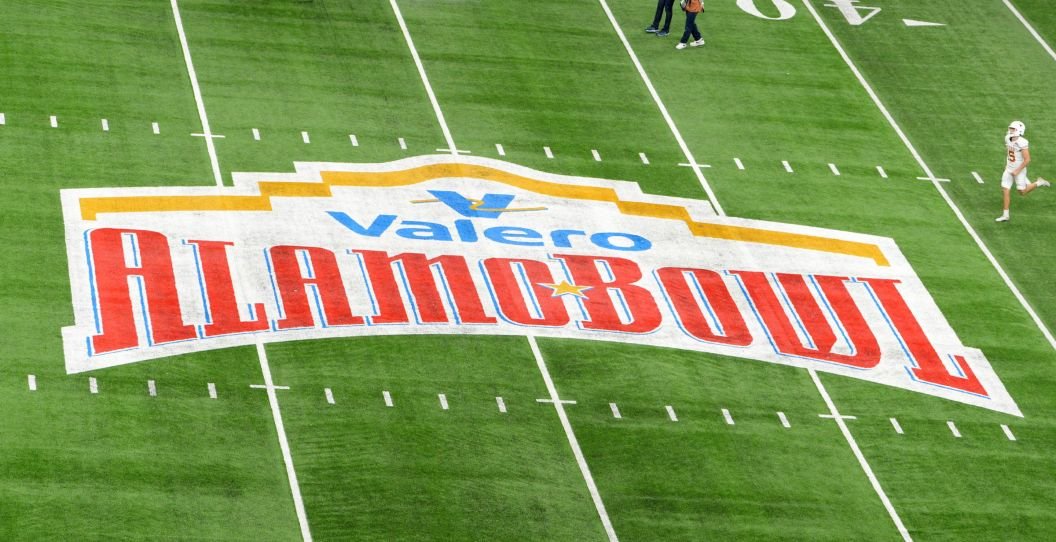
The payouts for each bowl game vary significantly, ranging from a few hundred thousand dollars to over six million dollars, depending on the bowl’s prestige and its tie-ins with specific conferences.
Ever wondered about the financial side of college football’s bowl season? It’s not just about the glory; the money is a major part. We explore what are the payouts for each bowl game, breaking down the differences in compensation.
The payouts fluctuate greatly between the major New Year’s Six bowls and the less prestigious ones. These variations mean that some schools get considerably more than others.

What Are The Payouts For Each Bowl Game?
Ever wondered how much money college football teams get for playing in those exciting bowl games at the end of the season? It’s a lot more than just bragging rights! Bowl games are a big deal, not just for the players and fans, but also for the universities’ bank accounts. The money involved can really help a school’s athletic programs, allowing them to do things like buy new equipment, improve facilities, and even help pay coaches’ salaries.
Understanding Bowl Game Payouts: Where Does the Money Come From?
Before diving into specific amounts, let’s see where this bowl game money actually comes from. The primary source is television contracts. Big networks pay a lot of money to broadcast these games, and a good chunk of that goes to the conferences and then down to the schools that participate. Other sources include sponsorships (think logos on the field and advertising during the game), ticket sales (though that’s not the biggest part), and even some merchandise sales. Basically, bowl games are like huge events with lots of ways to make money.
The Conference Connection
It’s really important to understand that most of the bowl payout money doesn’t go straight to the schools that play in the game. Instead, the money goes to the conferences those schools belong to (like the SEC, Big Ten, ACC, etc.). Then, the conferences decide how to divide that money among their member schools. This means even if a team doesn’t make it to a bowl game, they might still see some of that sweet bowl money. The amount each conference keeps and how they distribute the rest can vary, so some schools get more than others.
How Much Money Do Bowl Games Really Pay?
Now for the good part – how much money do these bowl games actually payout? The exact amount varies a lot from bowl to bowl. Some of the big ones, like the New Year’s Six bowls, bring in much more money than smaller, less prestigious bowls. Also, remember, the payout figure is not what the schools get, that amount gets paid to conference.
The New Year’s Six Bowl Games: The Big Money Makers
These are the top-tier bowl games, and they have the biggest payouts. The New Year’s Six usually includes the Rose Bowl, Sugar Bowl, Orange Bowl, Cotton Bowl, Fiesta Bowl, and Peach Bowl. These games often have payouts in the millions. For example, the College Football Playoff (CFP) semifinal games that are part of the New Year’s Six have enormous payouts, with the winners advancing to the National Championship game. And that National Championship game? Even bigger payout! It’s the biggest prize in college football and brings in a massive sum for the winner’s conference. However, for non CFP bowl game, here is a rough estimate of payouts for each of the New Year’s Six bowls:
- Rose Bowl: Generally, this game is associated with very high payouts, typically in the range of millions for each participating conference. In recent years, that could be upwards of $18 million per conference.
- Sugar Bowl: Similarly to the Rose Bowl, payouts for the Sugar Bowl are hefty, also falling into the multi-million-dollar category per conference, often reaching or exceeding $18 million.
- Orange Bowl: While not always as high as the Rose or Sugar Bowl, the Orange Bowl still has significant payouts, often between $14 to $17 million for the conferences involved.
- Cotton Bowl: The Cotton Bowl also delivers substantial payouts, typically in the $14 to $17 million range per conference.
- Fiesta Bowl: A similar payout structure to the Orange and Cotton Bowl, the Fiesta Bowl’s payouts are also within the $14 to $17 million range for each conference.
- Peach Bowl: The Peach Bowl also generally sees payouts around $14 to $17 million for each conference.
Remember, the payout money is distributed to the conferences, then it gets divided among their schools according to their agreement. This helps each school get some of the benefits from the success of the teams in the conference.
Other Bowl Games: Varying Payout Amounts
Besides the New Year’s Six, there are many other bowl games. These games have a big range in how much they pay out. The payouts can range anywhere from a few hundred thousand dollars to a few million dollars per conference. Bowl games like the Alamo Bowl, Cheez-It Bowl, Music City Bowl, and Holiday Bowl offer substantial payouts. The exact amount changes yearly, but here’s an idea of the different categories:
- Tier 2 Bowls: Games like the Alamo Bowl, Camping World Bowl, and Citrus Bowl fall into this category. They generally have payouts ranging from $4 to $8 million per conference.
- Tier 3 Bowls: Examples include the Texas Bowl, Gator Bowl, and Music City Bowl. Payouts here are typically in the $2 to $4 million per conference range.
- Tier 4 Bowls: These bowls, such as the Armed Forces Bowl, Gasparilla Bowl, and First Responder Bowl, generally have payouts less than $2 million, often between $500,000 to $2 million per conference.
Again, these numbers are not what the school gets, they are the amounts paid to the conferences that will then distribute the funds to their respective member schools. The actual payout to the participating school could be less and sometimes can be more than what is initially allotted to the conferences.
How Conference Money is Shared
The way a conference divides its bowl money among its schools can be complicated, but here are some common methods:
- Equal Share: Most conferences divide the main bowl revenue (like from the College Football Playoff) relatively equally among all their members. This means that even if your team has a bad year and doesn’t go to a bowl, your school still receives a good chunk of money.
- Performance-Based Incentives: Some conferences have a system that gives more money to teams that had good records in the season or played in the bigger bowl games. A team that gets into the Playoff or one of the New Year’s Six bowl games would get their conference even more money.
- Combination: Many conferences use a mix of equal sharing and performance bonuses. This helps make sure everyone benefits to some degree, while still giving teams an incentive to perform well.
Example of Money Distribution
Let’s imagine a conference with 14 teams gets $70 million from bowl games. They might divide $40 million equally among the 14 teams. That means each school would get about $2.85 million. The remaining $30 million could be set aside for schools with more wins or who went to bigger bowl games. For example, the team that wins the conference championship game or plays in a playoff game might receive an additional million.
Why Bowl Game Payouts Matter
It is important to know that the money generated from bowl game payouts is not just about fancy equipment. These payments help colleges provide a lot of benefits. Here’s what these payouts do:
- Athletic Department Funding: Bowl money is a big part of how athletic departments pay for coaches’ salaries, player scholarships, and facility upgrades. It helps universities keep their athletic programs competitive.
- Facility Improvement: Money from bowls helps universities build new stadiums, weight rooms, and training facilities. These new features can help bring in more fans and help recruit better players.
- Student Support: Some of the money goes to academic programs or to provide additional resources for students. In some cases, the university also uses it to fund different sports.
- Economic Impact: Bowl games bring a lot of money to the towns where they’re played. This can boost the local economy by bringing in tourists to stay at hotels, dine in restaurants, and spend money at local businesses.
The Impact of College Football Playoff
The introduction of the College Football Playoff (CFP) has significantly increased the amount of money going to conferences. The CFP games, which serve as the national semifinals and the championship game, have payouts that are much higher than any other bowl. This has made the stakes higher and the potential money to be earned bigger.
The enormous revenue generated by the CFP is distributed to the participating conferences. Then each conference distributes the earnings based on their own rules. The College Football Playoff significantly contributes to the financial success of many schools and can have a huge impact on which team wins games.
Are There Any Other Benefits Besides Money?
Absolutely! While the money is important, bowl games also bring other benefits:
- National Exposure: Bowl games are often nationally televised. This gives universities nationwide exposure, which can help them recruit players, attract more students, and build a stronger brand.
- Bragging Rights: Winning a bowl game is a great accomplishment for the team, coaches, and fans. It also boosts team morale.
- Recruiting Boost: Making it to a prestigious bowl game can help attract some of the best high school players. Top players want to play for winning programs, and bowl appearances help prove their school’s success.
- Fan Engagement: Bowl games create exciting experiences for fans and bring them together. Fans travel to the games to support their teams, and these events help unite the community.
How does NIL play in bowl games?
The advent of Name, Image, and Likeness (NIL) deals for college athletes has added another layer to bowl game payouts. While the direct payouts from bowl games go to the conferences and schools, NIL opportunities allow individual players to earn money during the bowl season. Here is how NIL works during bowl games:
- Sponsorships: Players can secure their own sponsorships with different brands that may be promoted during bowl games.
- Appearances: Players could also earn money by appearing at different events leading up to or during bowl game week.
- Merchandise sales: Some players also earn money from the sale of merchandise featuring their name and image.
These NIL deals have allowed the players to benefit from the popularity of college football and bowl games.
The Future of Bowl Payouts
The world of college football is always changing. The playoff structure could change in the coming years, which would probably mean a change in how money is distributed. The value of broadcast rights is constantly being renegotiated, so the amount of money going into these games and conferences is expected to change and grow even more. As we move into the future of college football, bowl game payouts will continue to be a crucial part of the financial system that keeps the sport running.
So, as you watch those exciting bowl games, remember that there is a lot of money that goes behind the scenes. It helps colleges do amazing things for their athletic programs and helps players chase their dreams. These payouts can be complicated, but knowing about them helps fans appreciate the value that bowl games bring to the world of college football.
Was Cam Ward Wrong For Sitting Out 2nd Half Of Bowl Game? | Pat McAfee Show
Final Thoughts
Payouts vary significantly across bowl games. College Football Playoff bowls offer the most significant sums to participating conferences. Other bowl games have decreasing payouts based on prestige and television contracts.
Smaller bowls provide much less money for conferences and schools. The financial impact of winning is not always equal to the prize money. So, what are the payouts for each bowl game really? These payouts form a crucial part of college football revenue.

