
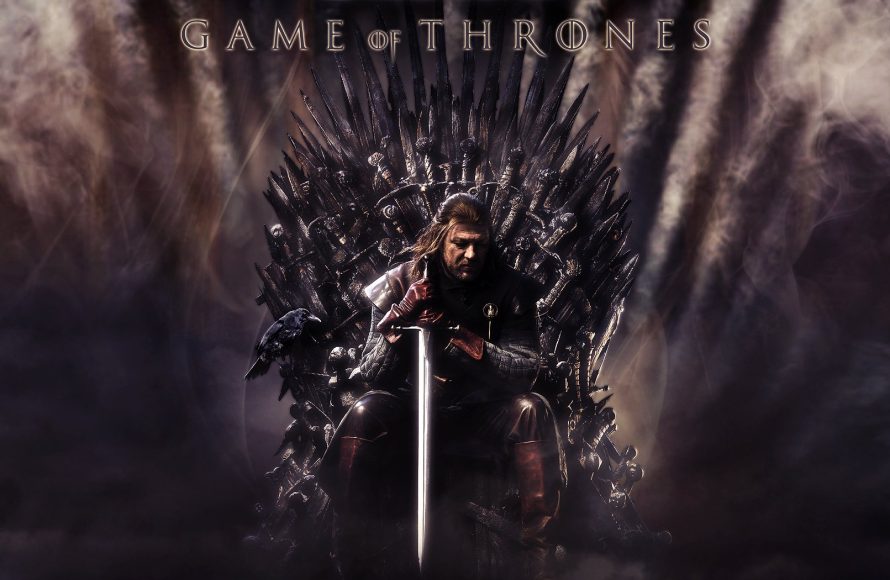
The setting of Game of Thrones roughly mirrors the late medieval period, placing it around the 15th century.
Have you ever wondered exactly what century Game of Thrones is set in? It certainly feels like a bygone era, filled with knights, castles, and complex political maneuvering. The series draws heavily from historical periods, creating a world that feels both familiar and fantastical.
We see elements that suggest late medieval times, such as the clothing, weaponry, and social structures. These aspects provide clues for placing the series within a specific timeframe. While not directly one particular century, understanding the influences helps us pinpoint where the series sits.

What Century is Game of Thrones Set In?
Figuring out exactly what century Game of Thrones takes place in is a fun puzzle! The show and the books don’t give us an exact year, like “1422” or “1776.” Instead, we have to look for clues within the story to figure out what century it feels most like. It’s not a perfect match to any real-world time period, but it definitely borrows ideas from different times in history.
A World of Medieval Inspiration
When we look at Westeros, the main continent in Game of Thrones, it’s very clear that the world is heavily influenced by the Middle Ages. This era in Europe lasted for a really long time, roughly from the 5th to the 15th century. That’s a big range, but it gives us a good starting point for understanding the vibe of the show. Let’s explore some elements that suggest a medieval setting:
Knights and Chivalry
Think about the knights in shining armor. They play a big part in the story. They follow rules about being brave and honorable, which is similar to the idea of chivalry during the Middle Ages. We see knights participating in tournaments, jousting, and protecting lords and ladies. These are all things that are common in medieval stories.
- Knights swear oaths of loyalty to their lords.
- Tournaments test a knight’s skills.
- Chivalry requires knights to respect women.
Castles and Keeps
The lands of Westeros are dotted with mighty castles. These aren’t just any buildings, these are strong stone structures designed for defense. Just like medieval castles, these places have high walls, towers, and courtyards. They also serve as centers of power, where lords and ladies rule their lands.
Feudal System
The way society is set up in Game of Thrones is similar to the feudal system of the Middle Ages. There are kings, lords, knights, and peasants, each with their own role. The king is at the top, then the lords who control land, then the knights who protect them, and finally the common people who work the land. This system is based on loyalty and land ownership.
- Kings rule the Seven Kingdoms
- Lords manage their lands
- Knights provide military service
- Peasants work the fields
Religion and Beliefs
The religions and beliefs of Westeros also have a medieval feel. The dominant religion, the Faith of the Seven, is similar in some ways to the Catholic Church during the Middle Ages. There are also older religions that are similar to pagan beliefs. Religious ideas and practices are very important in the lives of the characters, just like in medieval times.
Beyond the Medieval: Fantasy Elements
While Game of Thrones draws a lot of inspiration from the Middle Ages, it isn’t just a historical drama. The show has magical elements and creatures that place it firmly in the realm of fantasy.
Dragons and Magic
Let’s face it, dragons aren’t something you’d see in medieval Europe. The presence of dragons and magic clearly pushes the story beyond historical accuracy. These elements bring a fantasy element that is different from our world.
- Dragons are powerful beasts.
- Magic is a real force in the world.
- Some people have magical abilities.
The White Walkers
The White Walkers, those icy creatures from beyond the Wall, also add to the fantasy of the story. They are not based on any real-world historical figures, but bring a dark, fantastical element to the story.
Specific In-World Clues
Besides these broad themes, we also have some specific clues that can help us narrow down the time frame, even though they don’t directly point to a century as we know it.
Technology and Tools
The technology in Game of Thrones is fairly simple. We see swords, bows and arrows, and simple machines. There are no guns, printing presses, or other technologies that would exist later in our history. This level of technology is consistent with the early to mid-Middle Ages (roughly 500 to 1200 AD). However, some inventions and building techniques in the show also exist in later periods, which makes pinpointing an exact century difficult.
Communication
Communication is slow, taking place mainly by messengers on horseback or by ravens. There is no way to send messages instantly, which means long travel times between places, just like in older times. This further supports the idea of a setting before modern technologies.
- Messengers deliver messages by horse
- Ravens carry written messages
- Travel is time-consuming.
Currency
The use of gold and silver coins as currency is common in Game of Thrones, which is similar to how money worked for a long time in the real world, including the Middle Ages. We don’t see paper money, or banks that use complex forms of finance. This simplicity helps to reinforce the time period the story is based on.
Comparing Westeros to Real World Centuries
While Game of Thrones isn’t meant to perfectly mirror any real century, we can look for similarities to different time periods to better understand where it fits. Let’s break it down.
Early Middle Ages (5th-10th Centuries)
The show does share some similarities with the Early Middle Ages. There are many conflicts between kingdoms and the way society is structured is similar to feudal systems in place during that time. However, the scale of the Seven Kingdoms is much bigger than the smaller kingdoms we saw in the early Middle Ages.
- Many local rulers.
- Basic agricultural techniques.
- Local governance
High Middle Ages (11th-13th Centuries)
The High Middle Ages is the time when Europe started to see more complex systems. We see better castles, bigger kingdoms, and more established legal systems. This period is perhaps the closest to the setting of Game of Thrones, especially considering its feudal structure and the presence of knightly orders and tournaments.
- Development of the Feudal system.
- The Crusades.
- More complex governance systems
Late Middle Ages (14th-15th Centuries)
While there are elements of the Late Middle Ages in Game of Thrones, like the idea of a more unified kingdom, the lack of technology and the more limited development of cities makes this less likely. The Late Middle Ages was a time of big change, with the beginning of the Renaissance, the printing press, and other developments that are not present in the show.
- Bubonic Plague.
- Exploration of new lands.
- Development of trade routes
The Purpose of Historical Inspiration
The mix of different historical elements in Game of Thrones is not an accident. The show uses these elements to create a rich and believable world that the viewers can easily understand. It gives the viewer a basic framework for understanding the roles of kings, lords, knights, and common people. However, by adding fantasy, the show allows us to see things that aren’t possible in reality. This makes the story more interesting and exciting.
Creating a Familiar Yet Different World
By drawing inspiration from the Middle Ages, the show makes the world feel familiar. We understand what castles are, we have an idea of what being a knight is like, and we know about the concept of kings and kingdoms. But by adding fantasy elements, it also becomes a unique place that couldn’t possibly exist in the real world. This combination of familiar and strange is part of what makes Game of Thrones so appealing.
Using History as a Tool
The historical context allows the show to explore themes and ideas that are relevant to our world today. Issues like power, ambition, loyalty, and betrayal are important in history, and they continue to be important now. By setting the story in a time period that is both familiar and unfamiliar, Game of Thrones can explore these themes in a fresh and engaging way.
In conclusion, while there is no single specific century that Game of Thrones is set in, it is heavily inspired by the Middle Ages, especially the High Middle Ages. This time period provides the social structure, the political conflicts, and the technology of Westeros. However, the addition of fantasy elements, such as dragons and magic, ensures the show remains a fictional story, rather than a historical drama. The blending of historical themes with fantasy elements has been a key reason for the show’s massive success.
The Magnificient Century- Game of Thrones
Final Thoughts
The setting suggests a medieval period, placing “what century game of thrones” happened in a fictitious era resembling aspects of the 13th to 15th centuries. Westeros shows elements like feudalism and chivalry, common during that time. The technology and social structures also echo that late medieval Europe. This makes the show’s time period a compelling blend of real-world history and fantasy, which ultimately influences character development and conflicts.

