
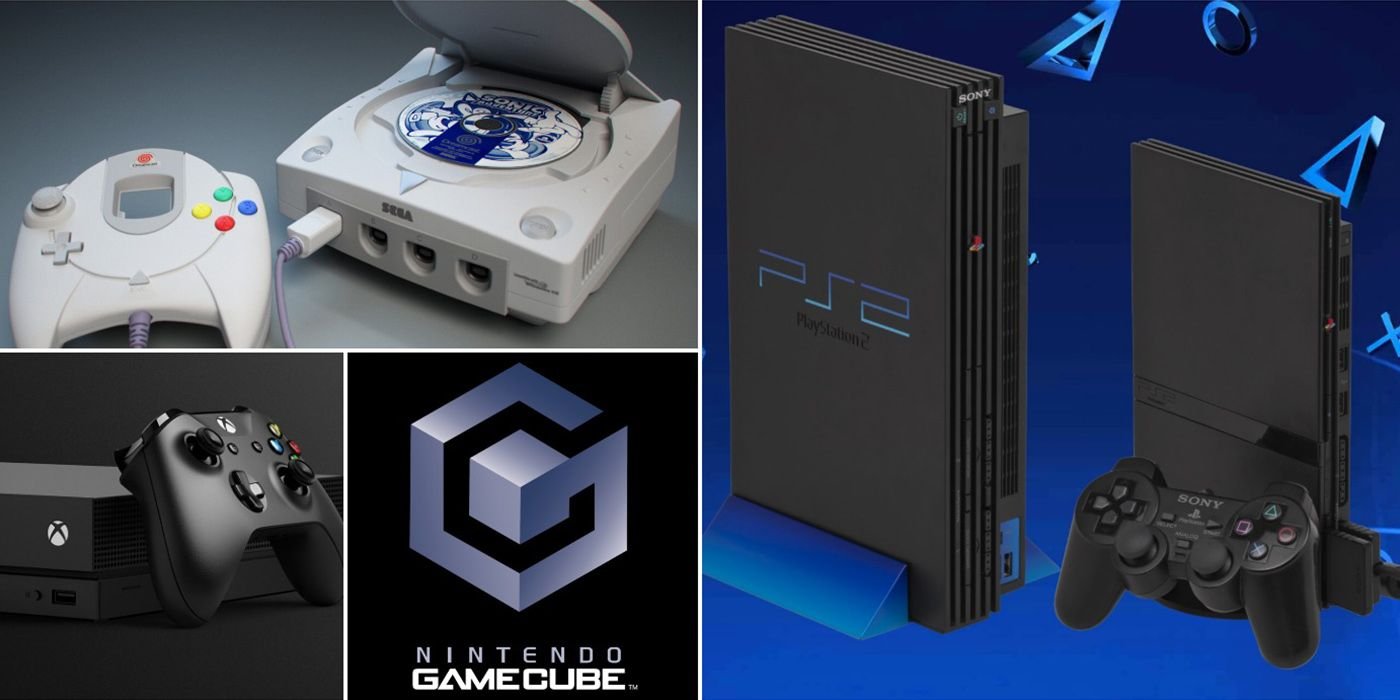
The PlayStation 2 has the most games of any video game console.
Ever wondered which gaming system boasts the biggest library? It’s a question many gamers ponder: what console has the most games? The sheer number of titles available across different platforms can be overwhelming.
Some consoles are known for their exclusives, while others are praised for their massive indie libraries, making this a complicated subject. It’s definitely a topic worth exploring!

What Console Has the Most Games?
Okay, let’s dive into the fascinating world of video games! Ever wondered which gaming console boasts the biggest library of titles? It’s a question that sparks a lot of debate among gamers, and the answer isn’t always as straightforward as you might think. We’re not just talking about the newest consoles; we need to consider the entire history of video game consoles, from the early days to the present. So, get your controllers ready; we’re about to explore what console has the most games.
The Challenge of Counting Games
Before we jump to conclusions, it’s important to understand why figuring out “what console has the most games” is tricky. There are several factors that make this a bit of a puzzle:
Defining “Game”
What exactly counts as a “game”? Is it just retail releases on cartridges or discs? Or do digital downloads, smaller indie games, and even modified versions of existing games get a place at the table? The definition can vary, which impacts the final numbers. For example, many classic consoles have a huge library of homebrew games (games made by fans) that are not officially released, but are still playable and often considered part of the console’s overall offerings.
Counting Variations
Many games come in different versions for different regions of the world or even as updated releases (like “Game of the Year” editions). Should we count these as different games, or just as one game with minor variations? Different versions of same games can really inflate the total game count if we count them individually.
Digital Distribution
The rise of digital game stores has completely changed how games are distributed. It’s easier than ever for independent developers to release their games, and the availability of digital-only games makes it more difficult to track the total number of titles. Consoles like the PlayStation and Xbox have a huge selection of digital-only games, and Nintendo too, further complicating the game count.
The Problem with Abandonware and Emulation
Many older consoles that might seem to have relatively few official games actually have thousands more unofficial games made by fans that are not officially released. These are often considered abandonware, meaning they are no longer commercially available, but can still be played via emulation. Figuring out whether to count these is difficult, as the line between official and unofficial blurs.
The Contenders: A Historical Overview
Let’s take a quick look at some of the consoles most often brought up in this discussion. We’ll explore the console’s strengths and notable game libraries:
The PlayStation 2: A Mammoth Library
The PlayStation 2 is often cited as a contender for the console with the most games. It sold over 155 million units worldwide and has a huge library of games that encompasses a wide array of genres and styles. There is an estimated 3,800+ games in total for this console. Its success in the early 2000s meant that many different game developers made games for it. Sony’s PlayStation 2 has many popular titles, and has gained a legendary status in gaming history for the amount of different types of games, as it was a console that could do almost anything.
- Key Features: DVD playback capabilities, extensive third-party support, and a very long lifespan.
- Genre Variety: Action, role-playing, sports, racing, and platforming games were all well represented.
- Why it’s important: It was the most successful console of its era and had many games to play for a very long time, it is very iconic.
The Nintendo DS: Double the Fun
The Nintendo DS, with its dual screens and touch capabilities, has a massive library as well. It is estimated to have about 2,270+ games, and its popularity made it a magnet for all types of games. It had the two screens which was very fun at the time and the touch screen created lots of new ways to play games. It sold around 154 million units, and had a huge audience as it was a very convenient and affordable handheld device.
- Key Features: Dual-screen design, stylus input, and portability made it very popular.
- Game Variety: It had lots of puzzle games, RPG’s and some of Nintendo’s very popular IPs.
- Why it’s important: The Nintendo DS was very innovative and very popular for a very long time.
The Nintendo Wii: Motion-Sensing Sensation
The Nintendo Wii also has an impressive number of games, with estimates reaching around 1,500+ titles. It introduced motion controls to a very large audience, bringing new players to the world of gaming. It sold over 100 million units and was very popular, especially with families. It was a very innovative way of playing games.
- Key Features: Revolutionary motion controls that made video games more interactive.
- Game Variety: Its game library was wide, but it was mostly for fun and easy games.
- Why it’s important: It introduced motion controls to a wider audience, and was an innovative and fun way to play games.
The PlayStation One: Laying the Foundation
The original PlayStation also has a huge library. Its CD-based format allowed for many game developers to make many types of games for a cheaper cost, which lead to many games being released. It also was a very revolutionary console and was the start of PlayStation, which is an iconic part of gaming history.
- Key Features: 3D graphics capabilities, CD format, and a lot of Japanese games.
- Game Variety: It had an impressive array of RPG’s, action and other games that took advantage of its 3D graphics.
- Why it’s important: It established PlayStation as a dominant force in the video game industry and had a lot of games.
The Xbox 360: Online Powerhouse
The Xbox 360 was also an important console, it was a powerhouse in online gaming. With its integrated Xbox Live service, it allowed gamers to play with each other from anywhere in the world. It had a wide range of titles and was a very popular console that sold over 84 million units. Its game library was a mix of exclusive titles and popular franchises.
- Key Features: Online capabilities, high-definition graphics, and lots of AAA games.
- Game Variety: It had a lot of shooter games, action games and some role-playing games.
- Why it’s important: It established Xbox as an online gaming powerhouse and had a lot of great games that pushed the graphical abilities of the time.
PC Gaming: A Bottomless Pit
We can’t forget about PC gaming! While not a “console” in the traditional sense, PCs have an enormous number of games available. The number of PC games is not countable, as many games are made every day. Many PC games are available on different platforms like Steam, Epic Games and more. The flexibility of the platform allows for endless variations in games.
- Key Features: Flexibility, graphics customization, and the ability to be upgraded over time.
- Game Variety: Everything you can imagine, from massive multiplayer games to small independent titles.
- Why it’s important: It offers unrivaled customisation and an endless amount of games.
Digging Deeper: Factors Affecting Game Counts
We need to consider various factors when comparing the game counts for different consoles:
The Impact of Regional Differences
Game releases often vary significantly by region. A game might be popular in Japan but never get released in the US or Europe. Also, some games may be released in different regions with different names. This can affect the final count, especially with consoles from Japan.
The Role of Independent Developers
Independent developers have been a very important force in the gaming industry, making different types of games that many would have never thought of before. Consoles like the Nintendo Switch have especially benefitted from the rise of the indie game, with many great games being released via the eShop. These games add a very important layer to the gaming world.
The Significance of Backward Compatibility
Some consoles can play older games, which makes their total game library bigger. For example, the PlayStation 3 could play PlayStation 1 games, and later PlayStation consoles could play PlayStation 4 games, making its library a mix of current and previous generation games. This creates a lot of extra games that a user can play.
The Impact of Game Remakes and Remasters
Many older games are re-released as remakes or remasters on newer consoles. These modern upgrades enhance older games with updated graphics or features. When counting games, it’s important to consider whether you should count the original and the updated version. It can get very confusing trying to count these separately.
The Most Likely Candidate
After considering all of these factors, while it’s impossible to give a definitive, perfect answer, the PlayStation 2 is usually considered to have the most games, by number of unique retail games released. Its large library is a testament to its popularity and longevity, with thousands of official releases. Other consoles, such as the PC, or Nintendo DS, have massive libraries as well, making the race extremely close. While the exact numbers may vary based on definitions and how you count, the PlayStation 2’s library is certainly the one that most people agree with when considering this question.
The other consoles also have great libraries as well, and it’s important to pick a console that suits your personal preferences. Whether you enjoy indie games on the Switch, action on the Xbox or a variety of classics, each console offers a unique way to play.
So, while the PlayStation 2 may hold the title for the largest retail library of games, the entire world of gaming is a vast place that is always changing and evolving. The true winner is the players, with so many different types of games and consoles to pick from.
What is the Best Gaming Console? (PS5 vs Xbox Series X vs Nintendo Switch)
Final Thoughts
Determining what console has the most games is complex due to various factors, including digital storefronts and different regions. However, the PlayStation 2 boasts the largest physical library of titles. Its vast catalog provides a massive selection for players.
While other platforms have significant digital libraries, the sheer number of physical releases for the PS2 remains unparalleled. This gives it a significant edge in terms of total distinct game releases. Therefore, the PlayStation 2 retains its title for what console has the most games.

