
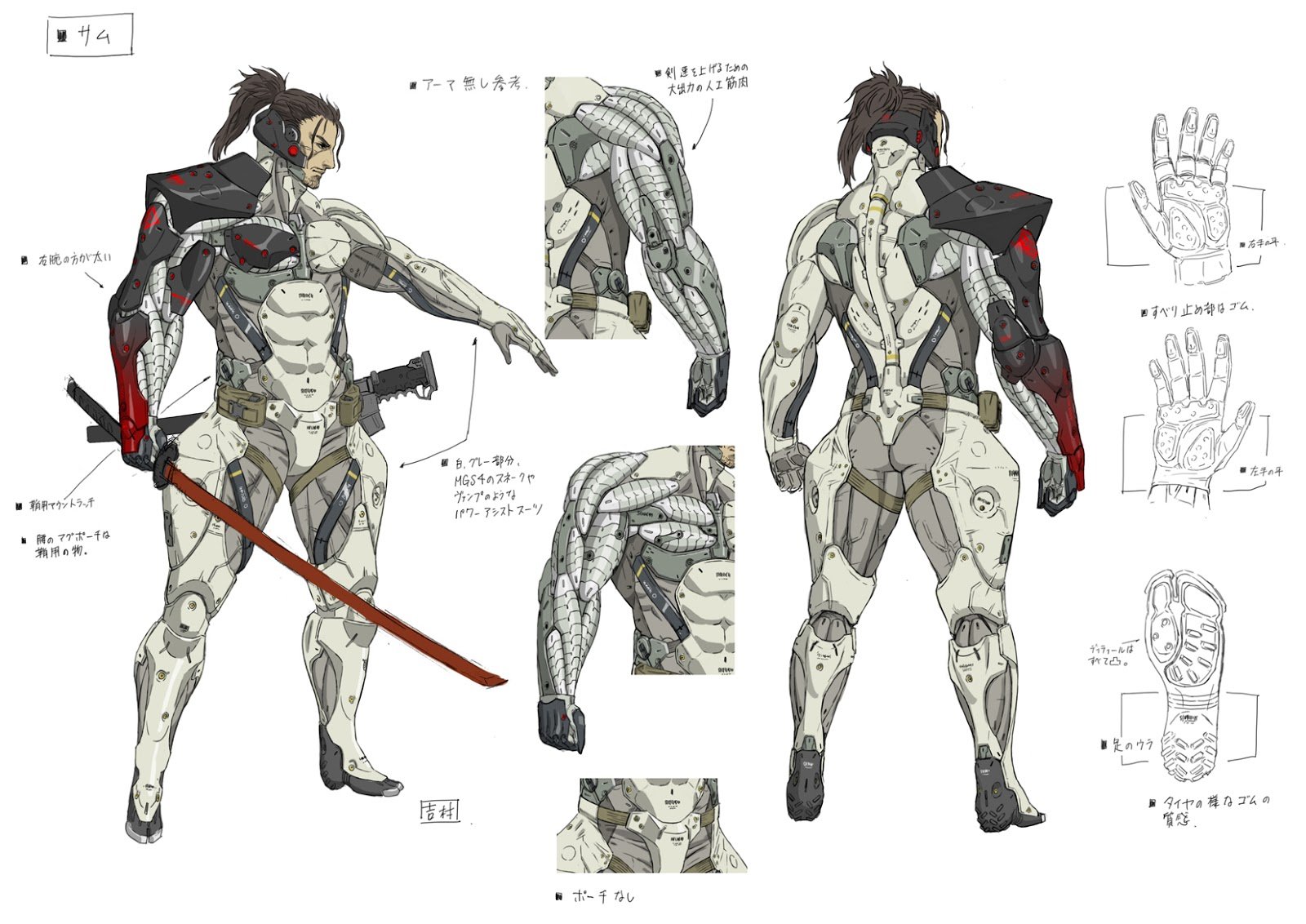
Illustrators for a game create the visual elements, such as characters, backgrounds, and items, that players see and interact with.
Ever wondered what goes into making your favorite games so visually appealing? It’s more than just coding and complex algorithms. A huge part of the magic comes from illustrators; but what do illustrators do game specifically? They are the artists who give a game its unique identity.
These talented individuals design everything from the heroic main character to the intricate level layouts. Their work brings the game world to life, making it immersive and engaging.

What Do Illustrators Do in Game Development?
Ever played a video game and been totally amazed by how cool everything looks? The characters, the backgrounds, even the tiny little items you pick up – all of that magic comes from illustrators! But what exactly do these artists do when they work on games? It’s not just about drawing pretty pictures; it’s about bringing entire worlds to life. Let’s dive deep into the exciting role of game illustrators!
The Big Picture: Visualizing the Game World
At the heart of it, game illustrators are visual storytellers. They take ideas from game designers and writers and turn them into the images we see on our screens. Think of them as the architects of the game’s visual style. They create the overall look and feel, making sure everything fits together and is consistent with the game’s story and atmosphere. This means they need to be great at lots of things, not just drawing!
Concept Art: The Starting Point
One of the most important jobs for a game illustrator is creating concept art. This is like the brainstorming phase, where artists explore different ideas for characters, environments, and objects. They might sketch out dozens of different versions of a hero before settling on the perfect one. They try out different colors, shapes, and styles to see what works best for the game’s universe. This concept art helps the rest of the team understand what the game will look like before it’s even built. It’s like a roadmap for the visual side of the game.
- Character Design: Creating the heroes, villains, and other characters that populate the game world, giving each a unique look and personality. Think about how different Mario looks from Sonic, and that comes from the initial character design by illustrators.
- Environment Design: Sketching out the different places in the game, like forests, cities, or dungeons. These illustrations will show the game level designers how to build these in the game.
- Object Design: Drawing things like weapons, power-ups, and everyday objects to fit within the game’s world. Illustrators think about how these items look, as well as how they interact with the game’s style.
The Magic of Style: Setting the Tone
Every game has its own unique visual style, from cartoonish and cute to realistic and gritty. It’s the illustrator’s job to set this style and make sure it’s consistent throughout the game. Imagine if one level of a game looked like a cartoon and the next looked like real life, it would feel very strange! So the illustrator’s work of setting the visual style of the game helps make the game visually pleasing and enjoyable.
More Than Just Drawing: Technical Skills and Collaboration
While being a great artist is crucial, game illustrators also need to be tech-savvy and good collaborators. They don’t work in a bubble; they’re part of a team, and their work needs to fit with everyone else’s.
Digital Tools of the Trade
Most game illustrators work digitally, using software like Photoshop, Procreate, or Clip Studio Paint. They’re experts at drawing using a stylus on a tablet, and they understand how to use layers, brushes, and all the other tools these programs provide. They’re not just sketching on paper; they’re making artwork that can be used directly in the game.
Working with the Team
Game development is a team effort, and illustrators collaborate closely with other members of the team. They work with game designers to understand the gameplay mechanics, and with 3D artists to make sure their designs can be brought to life. They also work with programmers to make sure the artwork looks good in the game engine. Regular communication and feedback are very crucial in creating a successful game.
- Game Designers: The game designer gives the illustrator an idea of what they’d like the characters, environments, and objects to look like. The illustrator turns these ideas into visuals.
- 3D Artists: Once illustrations are finalized, 3D artists use those drawings as a guide to model those characters, objects and environments in three dimensions for the game.
- Animators: Animators then bring those 3D models to life, adding movement and action based on the initial concept art and illustrations.
- Programmers: The programmer ensure the final images work smoothly within the game engine and are displayed correctly within the game.
User Interface (UI) and User Experience (UX)
Illustrators sometimes also contribute to the game’s user interface (UI), creating elements like menus, buttons, and icons. This is a very important role because they design these elements to be attractive, easy to understand, and match the visual style of the game. They also think about user experience (UX), ensuring that players can easily navigate the game. Great UX design makes a game easy and fun to play.
Specific Illustration Tasks in Games
Let’s get into even more detail about the types of things game illustrators do. The variety is incredible!
Creating Character Turnarounds
When designing a character, illustrators don’t just draw a single picture; they often create “turnarounds”. These are drawings of the character from multiple angles, showing the front, back, and sides. This helps 3D modelers see exactly what the character looks like in all dimensions, making it easier for them to create an accurate 3D model.
Designing Item Icons
Those little icons you see in the inventory, map, or quest log? Illustrators design those, too! These icons need to be easily recognizable and representative of the item they signify. They should look good at small sizes, which is a unique skill to have. This is also part of user interface illustration.
Making Splash Screens and Loading Screens
Before a game starts and during loading, you often see a cool image or design. Game illustrators make these splash screens and loading screens, which are designed to grab attention and set the mood for the game. They also make sure that those screens stay true to the game’s visual style.
Creating Storyboards and Comics
Sometimes, illustrators help with the storytelling aspects of a game. They might create storyboards for cutscenes or draw comic book-style panels to help tell the game’s story. These are basically visual guides that map out how each scene will play out, ensuring a compelling narrative experience.
Texturing and Shading
Illustrators may also help with the texturing and shading of the 3D models. This means that, instead of just making the models look flat, they make them look like they have depth and surface details. They add textures like wood grain, metal, or cloth. They also add lighting and shadow to make the 3D art feel more realistic and engaging. They are not just designing flat artwork but contributing to 3D art too.
The Importance of Game Illustrators
You might be wondering, why are illustrators so important for games? Well, they are the ones who create the visual identity of a game, and that’s very significant because visual appeal often determines whether players get invested in a game. Illustrators make the game look attractive and engaging. They set the tone and mood of the game through visual style, and they make the game look unique and memorable. Without their talents, the game wouldn’t be the same.
- Engaging Players: Stunning visuals attract players and make them want to explore the game world.
- Setting the Tone: Visuals help create the feeling of the game, whether it is scary, funny, adventurous, or relaxing.
- Creating Immersion: Detailed and interesting art makes players feel like they are really in the game.
- Brand Recognition: A unique visual style makes a game stand out from the crowd.
Becoming a Game Illustrator
If all of this sounds like something you’d like to do, here’s some advice on becoming a game illustrator. It takes dedication, skill, and a passion for art and video games.
Develop Your Artistic Skills
Start with the basics: learn how to draw! Practice drawing from real life, experiment with different styles, and work on your digital art skills. There are also many courses, both online and offline, to help you improve your art abilities.
Build a Portfolio
A portfolio is a collection of your best artwork, and it’s the most crucial thing to have when applying for game illustration jobs. Create a portfolio that shows your range of skills, including character designs, environment concepts, and any other work that demonstrates your potential. Make it amazing, and make sure that it showcases your best work.
Learn About Game Development
It’s important to understand the game development process, which means familiarizing yourself with the various stages of game creation, different roles within a team, and the common software used in the industry. The more knowledge you have, the easier it will be for you to work effectively within a team.
Network and Connect
Networking is essential! Go to gaming events, join online forums, and connect with other artists. This will help you learn about job opportunities and get your work seen. Connect with other people in the gaming world, and don’t be afraid to share your art online.
Practice, Practice, Practice!
Like any skill, becoming a good game illustrator takes a lot of time and practice. Don’t be discouraged if your first attempts aren’t amazing. Keep practicing and improving, and with perseverance, you will be able to achieve your dreams.
Game illustrators are the unsung heroes behind the captivating visuals we see in video games. From concept art to user interfaces, their skills bring entire worlds to life. It’s a challenging but extremely rewarding field for creative individuals with a passion for both art and gaming. They are an important and vital part of any game development team, and without them, we would not have our favorite video games looking like the way they do. They are truly the visual magic makers.
WHAT DO ILLUSTRATORS DO? Journeys AR Read Aloud Third Grade Lesson 7
Final Thoughts
Illustrators create visuals for games, shaping their look and feel. They design characters, environments, and props. Their artwork guides players through the game world.
Essentially, what do illustrators do game? They bring game concepts to life with their artistic talent. Their contributions are vital to the gaming experience. Good illustrations significantly improve player engagement.

