
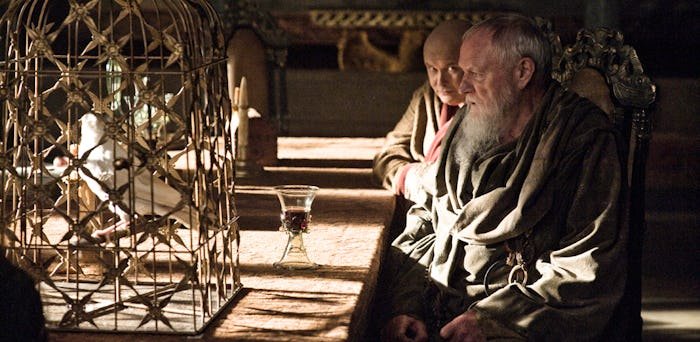
A white raven in Game of Thrones signifies the arrival of winter.
Have you ever wondered what does a white raven mean in game of thrones? These birds, unlike their darker cousins, bring a specific and chilling message to the world of Westeros. They’re not just pretty, snow-colored birds.
White ravens signal the end of summer and the start of winter, a season of hardship and danger in that world. They are a stark contrast to regular ravens used for everyday correspondence. Their appearance is a serious announcement.

What Does a White Raven Mean in Game of Thrones?
Have you ever seen a white raven in the world of Westeros and wondered what it means? In the epic series Game of Thrones, these birds aren’t just pretty; they carry important messages and tell us something very special is happening. Unlike the black ravens we see often, a white raven’s appearance is a big deal. It’s like a special announcement, a signal that things are changing.
The Significance of White Ravens: A Winter’s Tale
White ravens, with their snowy plumage, are far from ordinary birds in George R.R. Martin’s world. They are exclusively trained at the Citadel in Oldtown, a place where maesters learn all sorts of things, from healing to history. They are the equivalent of Westeros’s most reliable mail carriers. When a maester releases a white raven, it means that winter, that long, dreadful season everyone fears, has officially started. It’s not just a little cold snap; it’s a signal that the world as they know it is about to change drastically.
The Maesters and the Citadel
The maesters of the Citadel are the ones who train the ravens and send them out with messages. They are highly respected for their knowledge and wisdom. They have different levels, like in school, and each level means they know more things. The maesters believe that they have a duty to share the truth with the lords of the Seven Kingdoms, and they take that job very seriously. The white ravens are an important part of their mission. They are the messengers of truth about the change of seasons.
More Than Just a Message: Symbolism in the White Raven
While the black ravens carry general messages and are used regularly for communication, white ravens are used sparingly. This makes their appearance even more significant. They represent not just the start of winter, but also a major shift in the story’s tone and pace. In a world filled with political schemes and battles, the arrival of a white raven brings the focus back to nature’s power and to a threat bigger than any human conflict. They embody the idea of an inescapable change, showing that some things in Westeros cannot be stopped or ignored. The arrival of a white raven signifies that winter has come, bringing with it the long nights, the cold weather, and the possibility of the Others, the terrifying creatures from the North. The white raven also symbolizes that the magic the Citadel seeks to understand through books and science is real. It is proof of the magical elements of the world.
Why Only White Ravens for Winter?
You might wonder, why not a red raven or a blue one? Why white specifically? The color is a very powerful image that signifies the start of winter, because winter is often associated with snow and ice. White also conveys a sense of purity and truth. By using this color, the maesters are showing that their message is undeniable. They’re saying, “This is not just a rumor; this is what is happening,” emphasizing the fact of winter’s arrival, a critical moment for Westeros. Furthermore, the contrast of the white raven against the dark skies and landscapes during winter creates a striking visual that helps readers and viewers remember the importance of the moment.
How Does the White Raven Impact the Story?
The arrival of a white raven changes the way characters in Game of Thrones behave. When they receive word that winter has come, they know they must prepare, that the world has become even more dangerous, and that they have to face the dangers coming with it.
The Political Implications
Even in the realm of the political games played across the Seven Kingdoms, the coming of winter becomes paramount. Political alliances, long-standing feuds, all these issues take on a new light. The harsh reality of winter forces people to band together to face common threats like starvation and the potential of supernatural forces. It adds a layer of urgency to the existing tensions of the story. It is the great equalizer, reminding those caught up in the squabbles for power that there are forces much greater than their own.
The Threat of the Others
While winter brings harsh weather, it also brings something far more dangerous: the Others, known also as the White Walkers. These are the menacing, ice-cold beings from the far North, and their movement south is often connected to the start of winter. The white raven does not just signal a season change; it also hints at the possible return of these supernatural threats, making the danger far more real for those who inhabit Westeros. They are a constant, dark reminder of the real terror beyond human politics. The white raven’s message is an indirect threat, warning the world that the long winter is not the only thing they have to face; they need to also prepare for creatures that could potentially eliminate all life.
White Ravens vs. Black Ravens: What’s the Difference?
Okay, so we’ve established that white ravens are a big deal. But what makes them so different from the regular black ravens we see carrying messages throughout Westeros? Here’s a breakdown:
- Color: The most obvious difference! Black ravens are, well, black, while white ravens are pure white. This color difference is not just for show; it is symbolic and indicates the importance of the message.
- Training: Black ravens are trained at different locations and used frequently for all sorts of messages. White ravens, on the other hand, receive special training at the Citadel and are reserved for very specific announcements.
- Frequency: You see black ravens all the time. They carry all sorts of letters, even casual ones. White ravens, however, are rare. They appear only when the maesters believe the seasons are changing and when they need to announce the start of winter.
- Significance: Black ravens carry everyday messages. White ravens carry messages of utmost importance: the end of summer and the start of winter. This difference makes their appearance more meaningful and often leads to a change in the course of the story.
The Impact on Characters
The white raven’s appearance isn’t just a symbolic moment; it has a direct impact on characters’ actions and decisions. Let’s take a look at how the message of “winter has come” forces different characters to reconsider their paths:
The Starks
For the Stark family, who have a history of saying, “Winter is coming,” the message is a grave reminder of their ancestral duty. They are often portrayed as the family who understand the true meaning of winter. Therefore, when the white raven arrives, it reinforces their knowledge about the harshness of the coming days. It’s more than just a weather report for them; it’s a call to prepare for the dangers they understand better than anyone else. Their reaction is often practical and focused on protecting their people. This moment re-energizes their resolve to survive the long nights. For them, the white raven is the start of a serious matter that needs immediate attention.
The Southern Kingdoms
In contrast, the reaction of the Southern kingdoms is often characterized by delay and disbelief. They have been enjoying years of warm weather and political games. The coming of winter isn’t a grave matter for them like it is for the Starks. They often take the announcement less seriously, as they don’t fully understand the implications. This attitude often leads to problems. Their underestimation of the harsh reality of winter serves as a dramatic contrast, showing the dangers of living in denial.
The Night’s Watch
For the Night’s Watch, who guard the realms of men from the wildlings and whatever else may come from the North, the message of winter is a warning signal. The white raven is not a messenger that brings good news, especially because they know that the start of winter usually brings increased activity from the Others. Their reaction to the white raven is the beginning of their fight for survival against the dark forces in the North. The white raven’s arrival reinforces their commitment to their duty, knowing the dangers that could soon be upon them.
The White Raven and the Magic of Westeros
The white raven is a direct link to the magic and mystical aspects of Game of Thrones. In a world where some people are skeptical of supernatural elements, the white raven symbolizes undeniable fact. It is a physical manifestation that confirms that winter is coming and therefore magic is real. The maesters at the Citadel focus on gathering knowledge and facts. But when the white raven appears, even they acknowledge a force that goes beyond science. This acknowledgment emphasizes the importance of magic in the Game of Thrones universe, and it is more than just an interesting fact. It’s a basic force that influences the characters and changes their world.
The Citadel’s Struggle
The Citadel is often portrayed as a place of logical thinking, so the white raven arriving is a challenge to the core beliefs of the maesters. For years, they have sought to explain the world through reason and science. The white raven challenges their perspective by introducing an undeniable element of the natural, magical side of the world. It makes some maesters rethink their approach to knowledge, forcing them to acknowledge that not everything can be explained through facts alone.
Beyond the Books and the Series
The impact of the white raven in Game of Thrones goes beyond the literal meaning of announcing the change of seasons. It’s a symbol that connects many important themes in the story. It reminds us that there are forces in the world that can’t be stopped, whether it’s human greed or the power of nature. The white raven is a simple symbol that brings together all the core ideas of the story: survival, knowledge, and the unavoidable power of change. It is not just a bird, but also a very potent symbol. It carries the weight of the coming storm, both literally and metaphorically.
So, the next time you see a white raven in Game of Thrones, remember it is more than just a fancy bird. It is a sign of major change, a turning point in the narrative, and a powerful symbol of the dark and mysterious forces that govern the world of Westeros. It’s a signal to pay close attention to what is happening, because things are about to become much more intense.
In conclusion, the white raven in Game of Thrones serves as a crucial symbol, announcing the end of summer and the start of winter. This is not merely a seasonal shift, but a turning point that brings challenges to the people and impacts the very fabric of Westeros. The white raven brings together the natural and magical parts of the story. It challenges the characters and pushes them to face the dangers and possibilities that exist within their world. Its arrival signifies not just a season but the shifting nature of fate and the power of change itself.
The WHITE WALKERS Explained (Game of Thrones Explored)
Final Thoughts
A white raven signifies winter’s official arrival in Westeros. The Citadel sends these birds, marking the end of summer and the maesters acknowledge the changing seasons. This means that harsh weather and challenges will soon follow.
Therefore, what does a white raven mean in game of thrones? It’s a clear message declaring winter’s start. They serve as an important symbol within the narrative, foretelling great changes. These birds are an integral part of the world’s magic system and their arrival must not be taken lightly.

