
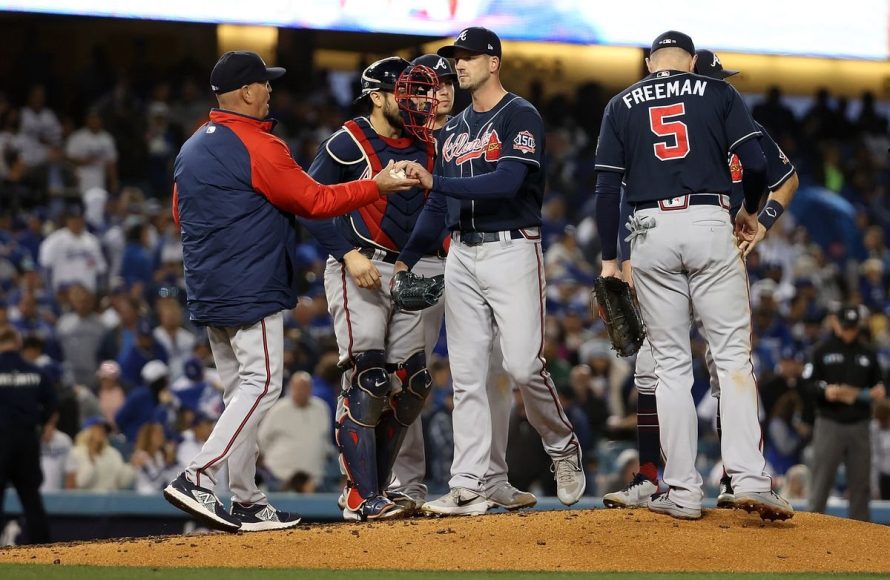
A bullpen game in baseball means a game where a team uses multiple relief pitchers instead of a traditional starting pitcher to pitch the majority of the innings.
Ever heard the term “bullpen game” in baseball and wondered what it meant? It’s a strategy that’s gaining more traction in the modern game. What does bullpen game mean in baseball, exactly? It might sound complicated, but it’s really a straightforward approach to pitching.
Teams use a bullpen game when they want to avoid using a struggling or injured starting pitcher. Or they might strategically decide to rely on their relief pitchers for a full game. This relies on many pitchers throwing one or two innings each.

What Does Bullpen Game Mean in Baseball?
Ever watched a baseball game where it seems like the starting pitcher gets pulled really early, and then a parade of different pitchers comes in? That’s probably a bullpen game! It’s a different way to approach pitching, and it’s becoming more common in today’s baseball world. Instead of relying on one pitcher to go deep into the game, a team uses many relief pitchers to cover all nine innings. Let’s explore what makes a bullpen game, how teams use it, and why it’s become such a strategy in baseball.
The Core Idea: Pitching by Committee
At its heart, a bullpen game is about using the entire group of relief pitchers, or “bullpen,” rather than just one starting pitcher. Instead of a traditional starter going 5, 6, or even 7 innings, the pitching duties are spread out among several different pitchers. This approach throws away the typical way a baseball game is managed, and it’s used for different strategic reasons. Think of it like a relay race, where multiple runners each take a portion of the race, instead of one person trying to do it all. In baseball, this is done with pitchers.
The fundamental idea behind this strategy is to maximize match-ups and minimize pitcher fatigue. Teams want their pitchers to face hitters that they match up well with. For example, a left-handed pitcher might be brought in specifically to face a tough left-handed hitter. Similarly, pitchers who only throw for 1-2 innings can pitch at full intensity, which can sometimes lead to better performance for shorter bursts. They also get good rest and stay fresh for future games. It’s a big departure from the traditional method, which sometimes involves asking a starter to push through fatigue in the later innings.
Why Use a Bullpen Game?
There are many situations that could make a team use a bullpen game. Here are some common ones:
- Injured Starting Pitcher: If a team’s starting pitcher gets hurt or needs rest, they might use a bullpen game instead of putting in another starter who isn’t ready. This lets them give an opportunity to their relief pitchers.
- Weak Starting Rotation: Sometimes a team simply does not have a very strong rotation of starting pitchers. In this case, the bullpen game is used as a way to piece together nine innings with pitchers who they believe can be successful.
- Strategic Matchups: A team might decide a bullpen game gives them a chance to get better match-ups against specific hitters from the other team. This is when they use a pitcher who is good at getting out certain types of hitters.
- Specific Opponents: Some teams use bullpen games for specific opposing teams that they think they have a better chance to win using this method. They might analyze data and see that a bullpen game is a better method to secure a win against a specific team.
- Rest and Recovery: This could be used as a strategic break for their pitching staff to stay healthy and fresh over the long season. It’s a way to avoid overworking their starting pitchers on any single occasion.
When Does It Typically Happen?
Bullpen games often happen:
- In the middle of a long stretch of games to give starters a day off.
- Early in the season when starting pitchers are still building up their endurance.
- When a team has many games in a row, where they need to make sure to manage the workload of their pitching staff.
- During the playoffs, when the stakes are higher and managers are more willing to try new strategies.
How Does a Bullpen Game Work?
The setup for a bullpen game is different than your typical baseball game. Here’s what it looks like:
- The “Opener”: Many times, teams use an “opener” to start the game. The opener is usually a reliever who comes in and throws the first one or two innings, sometimes against specific hitters on the opposing team.
- Middle Relief: After the opener, other relievers come in, often based on who is hitting and what inning it is. These are the pitchers that usually pitch in the 3rd, 4th, 5th and sometimes even 6th inning. This portion of the game can have many different relievers coming in.
- Late Relief: The later part of the game is usually when the team will bring in their best relievers, the setup pitchers and the team’s closer. These are the team’s best bullpen arms. These pitchers are typically used in high leverage situations.
- Matchup Based Strategy: A big part of this strategy is getting the right pitcher to face the right hitters for short period of time. This means that the manager and the coaching staff will watch the opposing teams batters and adjust according to the different situations. This strategy will try to secure the best possible match-ups with the team’s pitching staff.
Key Roles in a Bullpen Game
While it’s a team effort, some roles become more important in a bullpen game:
- The Opener: This pitcher needs to be good at getting out of the first few innings and setting the tone for the game. They often face the top hitters of the opposing team.
- The Middle Relievers: These pitchers are the workhorses of a bullpen game. They need to be reliable and able to pitch effectively against different types of hitters in different situations.
- The High-Leverage Relievers: These pitchers come in when the game is tight, often in the late innings, to secure the win and hold off the opposition from scoring.
- The Closer: The closer is the pitcher who comes into the game in the final inning to seal the deal. The team relies on them to finish the game with a win.
Pros and Cons of Bullpen Games
Like any strategy, bullpen games have both good and bad points.
Advantages of a Bullpen Game
- Matchup Advantages: Teams can put their pitchers in positions where they have better chances to get outs against certain hitters. A right-handed pitcher can face more right-handed hitters, and vice-versa. This approach can get out hitters with higher success rate.
- Reduced Fatigue for Pitchers: Since no pitcher is going deep into the game, they are not as tired and can give their maximum effort for a shorter amount of time. This allows for more impactful pitching.
- Flexibility: Managers can react more to what’s happening in the game and put in a specific pitcher they think matches up the best with the specific situation and hitters. This allows the manager to be more dynamic throughout the game.
- Development Opportunities: Bullpen games provide opportunities for younger and less experienced pitchers to prove themselves and gain experience at the major league level, without the pressure of starting.
Disadvantages of a Bullpen Game
- Increased Bullpen Usage: Since relievers are used heavily, it can be hard on the team if they have to use their relievers for multiple games in a row. This can be especially true if you use your closer in the 7th or 8th inning in one game and have to call upon them again the next day.
- Lengthy Games: Bullpen games can be slow, because they take more time when you need to make frequent pitching changes. It can also slow down the momentum of a game, if a pitcher can’t get outs quickly.
- Uncertainty: Bullpen games rely on multiple pitchers performing well. If one pitcher has a bad outing it can quickly change the game and lead to a loss for the team. This could be very harmful if the team has a weak pitching staff.
- Limited Pitcher Availability: If a team uses multiple pitchers in a bullpen game, they will have less pitchers available for the next game. This becomes a big problem if a team has multiple bullpen games in a row. This strategy requires more pitchers to be on the roster.
Evolution of the Bullpen Game
The use of bullpen games is not really new, but it’s become more popular and sophisticated in the recent times. In the past, the bullpen was usually used to protect leads in the late innings. Now, teams are more willing to use their bullpens throughout the entire game. There are some key reasons that have contributed to this evolution:
Statistical Analysis and Analytics
The use of data and statistics has changed how teams look at baseball games. Analytics have shown that sometimes specific relievers can do better against specific hitters, and this has allowed teams to manage games with better match ups. Teams use this data to choose when to bring in certain pitchers in order to gain a strategic advantage.
The Rise of Specialized Relievers
More and more teams are valuing relievers who are good at pitching for only an inning or two. Instead of thinking about relievers as guys who pitch multiple innings, teams are using relievers more strategically as pitchers who excel in specific situations. This shift has made bullpen games more practical and more effective.
Injuries and Pitcher Health
With pitchers getting hurt more often, teams have been forced to look for different ways to manage their pitching staffs. Bullpen games are used by some teams to reduce the wear and tear of the pitchers, as they are not required to pitch as many innings as a traditional starting pitcher. This new method has made it easier for teams to manage their pitching staff.
Bullpen Games vs. Traditional Starts
Here is a quick side-by-side look at bullpen games vs traditional starts:
| Feature | Traditional Start | Bullpen Game |
|---|---|---|
| Primary Pitcher | One starting pitcher goes deep into the game (5+ innings). | Multiple relief pitchers share the innings. |
| Pitcher Usage | Starters throw many pitches, maybe 80-100+ pitches. | Pitchers throw shorter amount of pitches for less innings. |
| Strategic Approach | Reliance on one pitcher for a longer portion of the game. | Matchup based and strategic bullpen management. |
| Matchups | May or may not be used as a strategy to change the game. | Focus on getting the best possible matchup. |
| Game Flow | More consistent flow of the game. | Can be more variable with lots of pitching changes. |
| Pitcher Rest | Can lead to pitcher fatigue if they go deep in the game. | Pitchers are rested and fresh as they typically only pitch for a few innings. |
Examples of Bullpen Games
Many teams across the league have tried the bullpen game strategy at different points in time. Here are a few of the more notable examples:
- Tampa Bay Rays: The Rays have become very famous for using the “opener” strategy, which is a key part of using the bullpen game. They’ve used this strategy a lot and have had some success with it.
- Other Teams: Other teams also use bullpen games as a way to manage their pitching staff, especially when injuries or poor performance happen. Many teams have implemented this strategy to try to steal some extra wins throughout a long baseball season.
In conclusion, a bullpen game is a special way of pitching in baseball where many relief pitchers are used in a game instead of one main starting pitcher. It’s a strategy used when a team needs to be flexible with their pitching staff. It can give a team a boost with specific matchups and it also can help them manage pitcher fatigue during a long baseball season. Though it’s different from a regular game, it is becoming more and more common as baseball continues to change and new ways of playing the game emerge.
MLB Now on how to use your bullpen.
Final Thoughts
A bullpen game means a team starts a game without a traditional starting pitcher. Instead, they use a series of relief pitchers throughout. This tactic often appears when a team lacks a consistent starter or to exploit matchups.
Effectively, this approach utilizes the bullpen to complete all innings. “What does bullpen game mean in baseball?” It highlights a strategy rather than a personnel issue. The team plans a rotation of pitchers instead of relying on one for a lengthy outing.

