
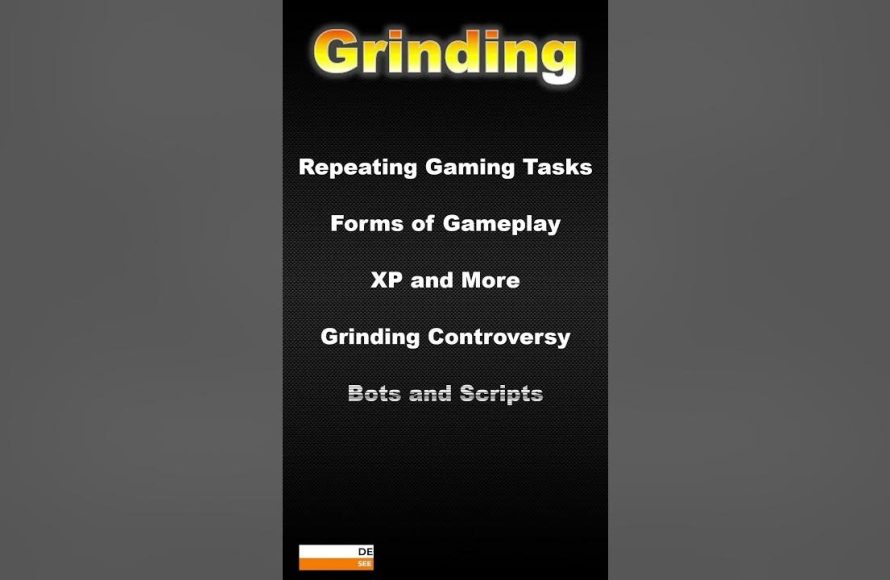
Grinding in games refers to performing repetitive actions, such as battling enemies or collecting resources, to gain experience, items, or currency.
Ever found yourself performing the same task over and over in a game, wondering why? That is likely grinding. What does grinding mean in games? Simply put, it involves tedious repetition.
Players often do this to level up their character, get rare loot, or accumulate in-game cash. It’s not always the most thrilling activity, but it is a common part of many video games.

What Does Grinding Mean in Games?
Ever heard a gamer say they’re “grinding” and wondered what on earth they’re talking about? Well, you’re not alone! “Grinding” is a super common term in the world of video games, and it’s not about making coffee! Instead, it’s about spending time doing repetitive tasks to get ahead in a game. Let’s dive into what that really means, why players do it, and how it shows up in different kinds of games.
The Basics of Game Grinding
At its core, grinding in games means doing the same things over and over. Think of it like practicing your multiplication tables to get good at math, but in a video game. You might be fighting the same easy monsters, collecting the same items, or completing the same simple quests repeatedly. The goal isn’t usually to have lots of fun doing it, but to gain some kind of advantage in the game. This advantage can be anything from leveling up your character, collecting better gear, getting more in-game currency, or acquiring new skills.
Why Do Players Grind?
Why would anyone choose to do boring stuff over and over again? It might seem strange, but grinding serves some important purposes for players. Here are a few reasons:
- Leveling Up: Many games use levels to show how strong your character is. Grinding is often the fastest way to earn experience points (XP) and reach higher levels, which mean more power and abilities.
- Getting Better Equipment: Sometimes the best swords, armor, or other items are not just given to you. You have to work for them! Players often grind to collect the materials needed to craft better items or find rare equipment dropped by enemies.
- Gathering Resources: Whether it’s gold, wood, gems, or anything else, resources are very important for many games. Grinding can be the best way to gather large amounts of these needed resources.
- Unlocking New Content: Some games hide special areas or features behind a wall of progress. You might have to grind to reach a certain level or complete specific tasks to access them.
- Preparation for Hard Challenges: If you know a tough boss battle is coming, grinding helps you become strong enough to take it on. It can be like doing extra training before a big race.
- Completionism: Some players enjoy getting everything the game offers and sometimes that requires extensive grinding. It’s about filling all the bars, collecting every item, and earning all the achievements.
Grinding is a trade-off. Players trade their time for progress in the game. They do the work to achieve the desired rewards.
Where Does Grinding Show Up in Games?
Grinding appears in many different types of games, though it might look a little different depending on the genre. Here are some examples:
Role-Playing Games (RPGs)
RPGs are probably the most well-known when it comes to grinding. You may spend a lot of time battling weak monsters to earn XP. This is often called “level grinding”.
- Example: In many classic RPGs, you might go to the same area again and again to fight the same slimes, goblins, or bats. This increases your character level, which increases their power and unlocks new abilities.
- The Goal: To become strong enough to face harder challenges in the main story.
Massively Multiplayer Online Games (MMOGs)
MMOGs often incorporate significant grinding elements. From quests to skill leveling and material collection, these games have lots of reasons for players to engage in repetitive actions.
- Example: In World of Warcraft, a player might spend hours defeating the same monsters in a particular zone to collect resources or level up their profession skills.
- The Goal: To become powerful enough to participate in raids or player-versus-player battles.
Action Games
While not as prevalent as in RPGs, action games can also have grinding elements.
- Example: In some action games, you may need to replay certain levels to gather rare materials to craft the strongest weapons.
- The Goal: To improve character stats and unlock stronger equipment
Simulation Games
Even games like simulation titles involve a form of grinding.
- Example: In games like Animal Crossing or farming simulators, players may spend countless hours fishing, bug catching, or planting and harvesting crops to improve their town or farm.
- The Goal: To improve their home, farm, or town and collect all the various items and upgrades
Fighting Games
Fighting games sometimes incorporate grinding mechanics as well.
- Example: Some fighting games have unlockable characters, costumes, or moves that players must earn through playing matches or completing specific objectives which involve repetitive actions.
- The Goal: To gain access to all the available content and customizations in the game.
Mobile Games
Many mobile games use grinding to encourage player engagement.
- Example: In many free-to-play mobile titles, players might need to repeat the same levels or challenges to gather upgrade materials or in-game currency.
- The Goal: To improve their characters, build stronger teams, and progress in the game.
Is Grinding Bad?
That’s a tricky question! Grinding can definitely feel tedious sometimes. Here are some thoughts about whether it’s a positive or negative aspect of games:
The Downsides of Grinding
- Repetitive and Boring: Doing the same thing over and over can become dull. It can feel like a chore instead of fun.
- Time Consuming: Grinding takes a lot of time. Players might spend many hours just repeating actions instead of experiencing other parts of the game.
- Burnout: Too much grinding can lead to feeling tired and less excited about the game. It can make players want to stop playing.
- Artificial Difficulty: Some games use grinding as a way to make the game seem harder. It is sometimes not a real challenge, just a time sink.
- Forced Gameplay: Sometimes players feel they have to grind to progress, even if they don’t want to, this forces them to play in a certain way.
The Upsides of Grinding
- Sense of Achievement: When you finish grinding and gain those levels or get that rare item, it can feel like a big win. It can be satisfying to see the results of your hard work.
- Player Agency: Grinding lets players have control over their progress. You choose how much time and effort to invest.
- Progression: Grinding lets you see your character getting stronger and better. This sense of getting better is important for many players.
- Preparation: For some players, grinding is part of the fun, they like to prepare for hard content, it’s part of the process.
- Relaxing: For some people, it can be a relaxing activity to do while listening to music or watching TV. They find enjoyment in the simple repetition.
Whether or not grinding is “good” or “bad” really depends on the player and the game. Some people enjoy the slow-but-steady progress it provides, while others find it tiresome and boring. It’s all about personal preferences and how well the game integrates it.
Tips for Making Grinding Less Painful
If you find yourself needing to grind in a game, here are some tips that might help make the experience less dreadful:
Strategies for Easier Grinding
- Listen to Music or Podcasts: Put on something that you enjoy listening to while you grind. It helps pass the time and makes it less repetitive.
- Watch Videos: If the game does not need your full attention, have a TV show or movie going on a second screen.
- Grind in Short Bursts: Don’t do it all at once. Break the grind into smaller sessions.
- Change it Up: If the game allows it, find different methods to grind. Changing your routine a little can help.
- Set Goals: Give yourself small, achievable goals. Instead of just grinding, tell yourself “I’ll reach level 10” or “I’ll gather 20 of this item.”
- Play with Friends: If possible, grind with other people. This makes it more social and fun.
- Use Efficiency Techniques: Learn the best places to grind. There are sometimes spots that give you more XP or items per hour than other places.
- Don’t Focus on Only Grinding: Grinding will go much quicker if you are also completing side quests, exploring the game world and checking for content.
By using these tricks, grinding can become a less tiresome task, even a bit more enjoyable.
The Future of Grinding in Games
Game developers are always thinking about how to make games more fun. They know that grinding can be frustrating. We’ve already seen a lot of ways that games have been changing to either reduce or hide the grinding aspect, and we are likely to see more. In the future, it’s likely that games will:
- Reduce Grinding: Developers may reduce the amount of grind that is required to progress in games.
- Make Grinding More Fun: Games may make the activities needed for grinding to be more engaging.
- Introduce More Alternate Ways to Progress: Games may introduce ways to advance that are not repetitive activities.
- Focus on Player Choice: Games will probably give more choice to the player and make it possible to customize how much grinding is required.
The goal is to make games that respect the player’s time and make sure that fun is always prioritized over repetition. Games are always evolving, and grinding will change with them.
Grinding in games is a practice that has existed for a long time, but its purpose and implementation are constantly changing. Understanding what it is, why we do it, and its impacts can help you get the best out of your gaming experience. While it might not be the most exciting part of gaming, it’s a reality that many players will encounter. However, learning the tricks and tips to make it easier will help you become a more efficient gamer.
Gaming Terminology: GRINDING Explained
Final Thoughts
Grinding in games means repeatedly performing simple tasks to gain experience or resources. Players often engage in this to progress their characters or access new content. It’s a core element in many RPGs and MMOs.
This repetitive action, often viewed as tedious, is a common method used to advance. However, it can sometimes feel necessary for reaching desired game goals. “what does grinding mean in games” really boils down to that very process.

