
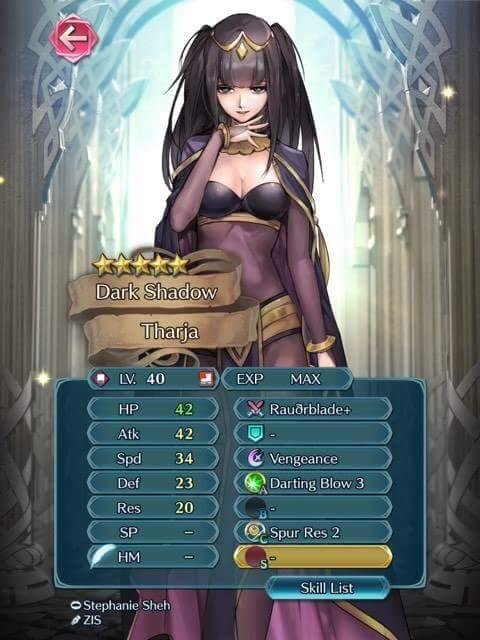
HP in games stands for Hit Points, representing a character’s health or damage capacity.
Ever wondered what does hp stand for in games? It’s a common abbreviation you see in nearly every game featuring characters and combat. This fundamental concept helps track a character’s vitality and how much damage they can withstand before being defeated.
It’s crucial to understand that ‘hp’ influences game mechanics drastically. It shows how much punishment a hero can take before needing healing. Think of it as their life meter.

What Does HP Stand For in Games?
So, you’re playing your favorite video game, maybe you’re a mighty warrior, a sneaky ninja, or even a cute, fluffy creature. You see that number above your character, or maybe in a corner of the screen – that’s your HP! But what does HP actually stand for? Well, it’s quite simple: HP stands for Hit Points. In games, it’s like your character’s health bar, the measurement of how much damage your character can take before they’re knocked out or defeated.
Understanding Hit Points
Imagine you’re playing tag. When you get tagged, you’re not out right away. You might have a little bit of “energy” left. In games, HP works much like that energy. When your character gets hit by an enemy or falls into a trap, they lose some HP. If they lose all their HP, they’re out of the game – usually meaning game over or respawning in the game.
How Hit Points Work
Hit points are usually represented as a numerical value. For example, your character might start with 100 HP. If an enemy hits you and deals 20 damage, your HP goes down to 80. The amount of damage a hit takes away is often linked to the power of the attack. A small, weak creature might only take away a few HP, but a huge monster might take away lots of HP.
Think of it like a health meter. You want to keep your health meter or HP as high as possible. Many games provide visual representations like a green bar that shrinks as your character takes damage and shows how close you are to a game over. As the bar gets smaller, it can change colors, often becoming yellow, then orange, and finally red as you get close to zero HP.
Different games use different ways to show HP.
- Numerical Value: The most common way, showing your remaining HP as a simple number (e.g., 100/100, 50/100).
- Health Bar: A visual bar that decreases as your character takes damage.
- Hearts: Some games use heart icons. Each heart typically represents a specific amount of HP.
Factors Affecting Hit Points
Many things in a game can affect your character’s HP. Sometimes, having high HP isn’t just a starting number, but something you can grow in your gaming adventure:
- Character Level: As your character gains experience and levels up, their HP might increase. This is like becoming stronger and tougher.
- Equipment: Wearing armor or using certain items can increase your HP or reduce the damage you take. Think of it like wearing a helmet and a shield in a real fight.
- Potions and Healing: Using healing potions, spells, or other special items can restore your lost HP and get you back in the action.
- Abilities: Some characters or classes have special abilities that make them more resistant to damage.
- Status Effects: Poison, burning, or other bad effects can steadily drain your HP.
Why Are Hit Points Important?
HP is crucial in games because it creates a sense of challenge and risk. Without HP, games would be too easy and not very fun. Here’s why hit points are important:
- Survival: HP is all about surviving in the game world. You need to protect your HP by avoiding enemy attacks or using healing items.
- Strategy: Managing your HP forces you to think strategically. You can’t just run headfirst into danger; you need to plan your moves and take into account how much damage you might take.
- Progression: HP often reflects your character’s strength and growth. As you get better in the game and earn more HP, it feels rewarding.
- Game Balance: Game developers carefully balance HP levels for characters, enemies, and items. This balance makes sure the game is neither too easy nor too hard, making the game fair and engaging for players.
Different Types of HP Mechanics
While the basic concept of HP remains similar across many games, there can be different mechanics at play:
Regeneration
Some games feature HP regeneration. This means that your character slowly recovers HP over time. It can be a slow trickle or a faster healing process, which adds a new strategy. Imagine taking a small break to catch your breath to automatically regain HP.
Temporary Hit Points
Some games offer temporary hit points (THP). These extra HP are added on top of your existing maximum HP, providing temporary protection but do not actually increase max HP. It’s like wearing a temporary shield or getting a boost of energy, that gives you some buffer before your main HP starts to go down.
Damage Reduction
Instead of increasing your HP, some systems use damage reduction. This means that you may not gain more HP but, you receive less damage from enemy attacks. This can be achieved by armor, special abilities or other game mechanics that change the amount of damage your character receives, making you more resistant.
Maximum HP
Every game character usually has a maximum HP. This is the highest amount of health they can have, and usually, it’s not easy to go beyond this point. Improving your character usually involves aiming towards getting that max HP.
HP in Different Game Genres
HP can function a bit differently depending on the kind of game you’re playing. Let’s see how it works in various game genres:
Role-Playing Games (RPGs)
In RPGs, HP is a core component. Characters often start with a base amount of HP, which improves as they level up or find better equipment. In games like Final Fantasy, or World of Warcraft, HP is crucial to the character’s survival and player progression through character improvement. You will see that HP is heavily linked to character building and strategic planning.
Action Games
Action games like Super Mario or God of War, often use HP systems to make the game challenging. In these, HP is often displayed as a health bar or a number. Games with the action genre generally place more emphasis on dodging and combat. The importance of HP is more about reacting to enemy attacks rather than a more complex game strategy.
Fighting Games
Fighting games, like Street Fighter or Mortal Kombat, use HP as a health bar for each fighter. When one character’s HP is reduced to zero, they lose the match. These games are more fast-paced and require good timing and reflexes to protect your own HP while depleting your opponent’s.
Strategy Games
Strategy games like Civilization or StarCraft may use HP for units and buildings, showing their strength and health. The game style changes, focusing on resource management and long term planning. HP is tied into the game’s core strategic planning of managing your units and their overall survival.
Platformers
In platformer games, like Super Mario Bros., HP can be represented in hearts or simple one-hit scenarios, meaning you can take only a few hits before it’s game over. The focus is on precision jumping, dodging, and avoiding obstacles to ensure your survival.
The Evolution of HP in Games
HP systems have evolved quite a bit since early games. Back in the very first video games, HP was often very basic. As games became more complex, so did the HP systems. Now, there are lots of different and innovative ways to show and use HP, making every game unique. From simple numbers to complex bar graphs, designers use a lot of creativity to make HP a key part of the gameplay. For example, some games even add a more modern feel by showing blood or different effects on the character to show they’ve taken damage.
HP Beyond the Numbers
While HP is fundamentally about numbers, it goes beyond simple addition and subtraction. It is about the player’s experience. It’s about feeling that heart-racing moment when your HP gets critically low or that moment of relief when you find a much-needed healing item.
HP systems in games are a key part of the fun and challenge that makes video games engaging. Without them, there’d be no real sense of danger, no need for a clever plan, and no reward for surviving tough battles. Next time you see that HP bar on the screen, remember it’s not just a number – it’s your character’s energy and determination. It represents your character’s very own ability to stay alive and continue their amazing adventure.
In essence, HP is more than just a number in games; it’s a crucial part of storytelling, challenge, and player progress. It makes you think and pushes you to do your best in the virtual world you are playing. Whether you are a brave knight, a sneaky rogue, or a magical wizard, your HP is what keeps you in the game.
Understanding how HP works helps you become a better gamer and appreciate the thought process and planning the game designers go through to bring us entertaining and challenging games.
So, next time you’re playing your favorite game and you see that HP bar, you will know exactly what it means: Hit Points! Now you can jump back in, protect your HP, and conquer your virtual adventures.
HP in Video Games
Final Thoughts
In games, HP stands for health points. It represents the amount of damage a character or entity can sustain before being defeated. Characters lose HP when they receive attacks.
When a character’s HP reaches zero, they usually die or become incapacitated. Knowing “what does hp stand for in games” is crucial to understand game mechanics. Players need to manage their HP to survive.

