
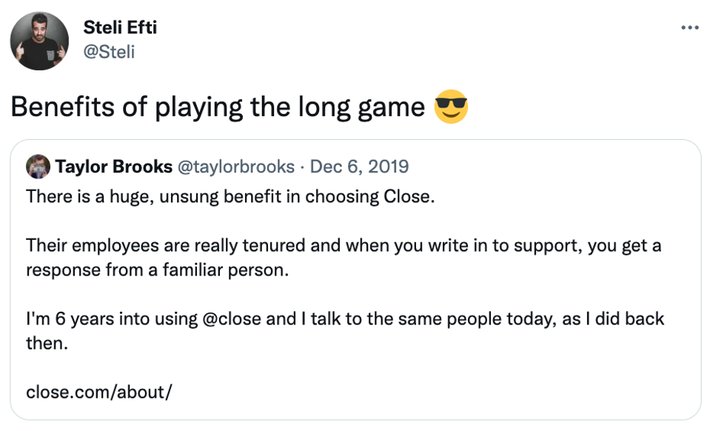
Playing the long game means prioritizing sustained growth and eventual success over immediate gratification, focusing on building lasting value and relationships.
Have you ever wondered, “what does it mean to play the long game”? It’s a concept we hear often, especially in business and personal development. We frequently get caught up in the desire for quick results, ignoring the power of patient, persistent effort.
This approach isn’t about instant wins. It’s about making consistent choices that accumulate over time.

What Does It Mean to Play the Long Game?
Okay, so we’ve all heard about “playing the long game,” right? But what does it really mean? It’s not some secret code or magic trick. It’s about thinking beyond today, tomorrow, or even next week. Playing the long game means making choices that will benefit you later, even if they don’t feel great right now. Think of it like planting a tree. You don’t get shade the day you plant the seed, but years later, you’ll have a big, beautiful tree providing comfort. It’s a patient approach, focusing on sustainable growth and lasting results.
The Opposite of Instant Gratification
The short game is all about instant gratification – wanting things now. Think of grabbing a candy bar because you want a sweet treat right away. Playing the long game means sometimes saying “no” to the candy bar, because you know eating too many sweets is not good for you in the long term. It’s about delayed gratification. It’s about understanding that the things worth having usually take time and effort.
Patience: The Key Ingredient
Patience is like the super power of the long game. It’s not just sitting around and waiting. It’s about consistent effort, even when you don’t see big changes immediately. A good comparison is learning a new instrument. You don’t become a rock star after one lesson. It takes practice, dedication, and, yes, patience to improve. You might not sound amazing right away, but with consistent practice over time, you will improve. This principle applies to almost everything.
Why is Patience so Hard?
Our brains are naturally wired to seek immediate rewards, which is why patience can be tough. But understanding this makes it easier to push back against our natural desire for fast results. It is a skill that can be improved over time, like any other skill. With practice, you can learn to be more patient, more persistent and ultimately more successful in achieving your long-term goals.
Long-Term Goals vs. Short-Term Wins
Let’s break down the difference between long-term goals and short-term wins using examples:
- Short-Term Wins: These are the quick, easy things that give you a burst of feeling good right now, like watching TV all day, eating fast food, or buying something you don’t really need.
- Long-Term Goals: These are the big things you want to achieve that require time, effort, and planning, such as getting good grades in school, saving money for a car, or learning a new skill.
Playing the long game involves focusing on the big picture (long-term goals) rather than just chasing the quick wins. It means making choices that move you closer to your goals, even if those choices aren’t the most fun or easiest right away. Sometimes you might have to forgo the instant reward for a much bigger return later on.
Aligning Daily Actions with Long-Term Goals
Here’s the secret sauce: it’s not enough to have long-term goals, your daily actions have to move you toward them. Think of it like a GPS for your life. If you want to get to a specific place, your map (your goals) is important, but so is each turn you make on the road. So, what does it look like to align those daily actions?
- Making a Plan: Start with breaking down a big goal into smaller, manageable steps. For example, if your goal is to run a marathon, you could start by running a few miles each week, then gradually increase your distance.
- Prioritization: Every day is packed with options. Choosing what to do becomes easier when you know what you’re working towards. Are those hours spent on social media taking you closer or further away from the things you really want?
- Consistency: Even small actions taken consistently can lead to big changes over time. So, don’t get discouraged if you don’t see instant results. Keep going and trust the process. It is like drops of water forming a puddle and eventually a river.
The Power of Delayed Gratification
As we mentioned, delayed gratification is the core of the long game. Think of it like investing money. You put a little in now, and it grows over time, eventually becoming much larger. It is the same with effort, and learning. Delayed gratification means sacrificing short-term enjoyment for a future benefit.
Examples of Delayed Gratification
- Studying for an exam: You might want to watch a movie or play video games, but by studying instead, you’re working toward a good grade and future success.
- Saving money: You might want to buy a new toy right now, but by saving that money, you can buy something bigger and better later.
- Practicing a skill: You might not be great at something when you start, but by practicing consistently, you’ll get better and achieve your goals.
It’s also about developing self-discipline, which is like a muscle – the more you use it, the stronger it gets. By delaying gratification, you become more resilient, adaptable, and better equipped to deal with challenges.
Long Game in Different Areas of Life
Playing the long game applies to all aspects of life. Let’s take a look at some of them:
Health and Wellness
Eating a balanced diet, doing regular exercise, and getting enough sleep doesn’t give you immediate results, but it greatly contributes to a healthier and happier life down the line. Instead of focusing on quick fixes, long-term health strategies are the way to go. Think of it like building a house. You don’t just throw bricks together; you build a strong foundation for longevity.
- Nutrition: Choosing fruits and vegetables over processed snacks helps in long-term health.
- Exercise: Starting with shorter workouts regularly is much better than long, strenuous ones done rarely.
- Sleep: Establishing a regular sleep routine improves energy levels and overall well-being.
Education and Career
Education is a long game in itself. It’s not always fun, but it builds a foundation of knowledge and skills that you will use throughout your life. The same goes for a career. Building a successful career takes time, effort and continuous learning. Quick promotions and shortcuts may appear appealing but may not always bring long-term satisfaction and growth.
- Learning new skills: Taking classes, reading books, and practicing new skills all contribute to long-term career growth.
- Networking: Building relationships with people in your industry can lead to new opportunities in the future.
- Continuing Education: Investing in your learning, such as taking online courses, or going to workshops, will help you advance your career in the future.
Relationships
Strong relationships are built over time through trust, respect, and understanding. They’re not like instant coffee, where you get the result quickly, but instead take consistent effort to nurture and grow. It involves being there for each other, listening, and working through disagreements. Investing in your relationships is an investment in your overall well-being and happiness.
- Communication: Communicating openly and honestly helps to build trust and understanding.
- Being present: Putting effort into your interactions with family and friends strengthens the bond.
- Forgiveness: Overlooking mistakes and making amends after conflict keeps the relationship healthy.
Financial Stability
Building financial stability is a long term goal. It takes discipline, planning, and patience. Instead of spending all your money, you put aside some regularly and that grows into a larger sum of money. It can help you achieve your long term financial goals, like buying a house, saving for retirement, or starting a business. It means you are in control of your money, rather than your money controlling you.
- Budgeting: Tracking expenses and identifying areas where you can save money
- Saving: Putting money aside regularly, even if it’s a small amount, so that it can be used in the future.
- Investing: Using the saved money wisely so that it grows over time.
Dealing with Setbacks
It’s also important to remember that playing the long game doesn’t mean everything will always go as planned. You’ll have setbacks and challenges along the way. It’s okay to feel discouraged when you face obstacles. But, it is important to see these obstacles not as failures, but as learning opportunities.
Learning from Mistakes
Everyone makes mistakes. What matters is how we deal with those mistakes. Do we give up or learn from them? When you make a mistake, analyze what you could have done differently, and use it as a learning experience for future decisions. This is part of playing the long game. It’s about growth and improvement, not perfection.
Resilience: Bouncing Back
Resilience is your ability to recover quickly from difficulties. Instead of letting failures define you, it’s about dusting yourself off and getting back on track. It’s like being a rubber ball; you might hit the ground but you always bounce back up. Developing resilience is key to making it over the long haul, because you need to have the ability to withstand the ups and downs.
Tracking Progress and Staying Motivated
When you’re playing the long game, it is easy to get lost in the process, as results might not be visible immediately. It is important to track your progress and keep yourself motivated. It means creating a system to keep a record of what you have achieved and what you need to do to get to your ultimate goal.
Keeping a Journal
Writing down your achievements, challenges, and thoughts can be beneficial for your long-term goals. It helps you see how far you have come and what you need to focus on. In addition to the progress, you also get to understand yourself better.
Celebrate Small Wins
While focusing on long-term goals is important, don’t forget to celebrate your short-term wins along the way. Acknowledging your achievements, no matter how small they are, boosts your motivation and keeps you going. They act as small milestones, helping you stay on track and be positive.
Long Game Isn’t About a Finish Line
It’s also important to understand that playing the long game isn’t about a final destination, but about the continuous process of learning, growing, and improving. It’s about building a better life for yourself over the long haul. While goals are important to have, the journey towards them should be just as rewarding.
Playing the long game is a way to live intentionally. It’s about making choices that align with your long-term goals and values, even when they’re difficult. It’s about learning to trust the process and celebrate both big and small victories. And it’s about developing a mindset that values growth, learning, and consistency over immediate results.
Money 💰 How to Play the Long Game!
Final Thoughts
Playing the long game means focusing on sustained growth over immediate gains. It’s about building solid foundations and making choices that will yield the most benefit over time. We must prioritize consistent effort and patience.
This approach often requires resisting the temptation of quick wins, instead cultivating relationships and skills for future success. What does it mean to play the long game? It’s a commitment to lasting impact.

