
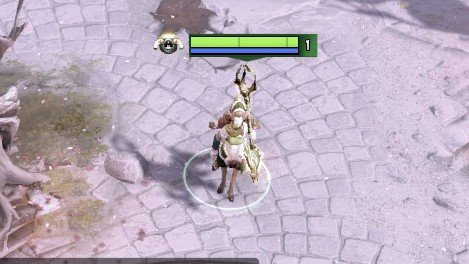
In games, MP stands for Mana Points, which is a resource used to perform special abilities.
Ever wondered what those blue bars or numbers next to your health in many games mean? Many players stumble upon this, and the question “what does mp stand for in games” often arises. It’s a common term, particularly in RPGs and strategy titles.
This abbreviation represents a crucial element in many games, usually linked to magic or special skills. Knowing its meaning can improve your gameplay and strategy.

What Does MP Stand For in Games?
Have you ever been playing a video game and seen the letters “MP” next to a bar or number? You might have wondered, “What does MP stand for in games?” Well, you’re not alone! It’s a common term in many different kinds of games, and understanding what it means can really help you play better. In most games, MP stands for Magic Points or Mana Points. Let’s dive into why this is important and how it affects gameplay. These points are essentially a resource that allows you to use special abilities, cast powerful spells, or perform other magical actions within the game world.
The Essence of Magic Points
Imagine you’re a wizard in a fantasy game. You can’t just keep casting fireballs all day, right? You need something to control how often you can use those powerful spells. That’s where Magic Points, or MP, come into play. They act like a fuel gauge for your magical abilities. Think of it like the gas in a car; without it, you’re not going anywhere. In the game world, every time you cast a spell, use a special skill or a magical item, your MP gets used up. The more powerful the spell or ability, the more MP it usually costs. Therefore, managing your MP efficiently becomes a key part of playing games that use this system. Players must learn when to use their magic wisely, avoiding running out when they really need it, and finding ways to replenish their MP during a game, to be more effective.
MP in Different Game Genres
You’ll find MP in all sorts of games. It’s not just for games with wizards and dragons. Let’s look at some examples:
- Role-Playing Games (RPGs): Games like Final Fantasy, Dragon Quest, or The Elder Scrolls series heavily rely on MP. In these games, characters use MP to cast healing spells, offensive magic, or special combat abilities. It’s extremely important to keep an eye on your MP in these games, especially during long battles.
- Multiplayer Online Battle Arenas (MOBAs): In games like League of Legends or Dota 2, many heroes or champions use abilities that consume MP. Managing MP in these games is a key part of timing your attacks and defending yourself, it’s a strategic resource to carefully consider.
- Massively Multiplayer Online Role-Playing Games (MMORPGs): Games like World of Warcraft or Guild Wars 2 often feature diverse character classes, many of which use mana or MP as their core resource. Healers rely on MP to keep their allies healthy and safe, while damage dealers use MP to inflict massive amounts of pain.
Even some action games or puzzle games might have systems that work similarly to MP, though they might be called something else. The core idea of a limited resource that you use for special actions is often inspired by MP.
How MP is Displayed in Games
In video games, you will typically see your MP represented in a few different ways. Here are some common visual cues:
- MP Bar: Often represented as a blue bar located near the player’s health bar (HP). The bar will deplete as you use special abilities or cast spells, visually representing how much MP you have remaining.
- Numerical Display: Sometimes, you’ll see the MP shown as a number, such as 100/100, with the first number showing your current amount of MP and the second indicating your maximum MP. This is useful for accurate calculation.
- Icons or Symbols: Some games use icons or symbols to represent your MP. This is often paired with a bar or number display but can also work on its own, especially on consoles and handhelds with limited screen space.
- Color Coding: Typically, blue, light blue, or white colors are used to indicate MP. This helps players quickly differentiate it from other resources like health (often red) or stamina (often green).
These visual representations help you quickly understand how much MP you have available without taking up a significant portion of your screen and allowing you to make quick decisions during the heat of gameplay.
Managing Your MP Effectively
Just like any resource in a video game, effectively managing MP is essential for success. Here are some strategies to keep in mind:
Conserving Your MP
It’s not always about using big spells all the time. Here are some ways to conserve your MP:
- Use Basic Attacks: Sometimes, a simple physical attack is just as effective as a spell, and it doesn’t cost any MP. Saving your MP for more crucial situations makes a huge difference.
- Strategic Spell Casting: Think carefully about which spells to use and when. Don’t waste big spells on weak enemies or situations. Also, use weaker magic or spells when the situation does not require high damage, saving your powerful abilities for times when you really need them.
- Know Your Opponent: Understanding your enemy’s weaknesses will allow you to use the spells that are most effective, using your MP effectively.
Replenishing Your MP
Running out of MP is a problem, but there are usually ways to get it back. Here are a few common methods:
- MP Potions/Items: Many games include items or potions that you can use to refill your MP. Keep an eye out for them and make sure you have a few on hand for emergencies.
- Resting or Recovering: In some games, you can regenerate MP by resting, waiting, or retreating from combat. Knowing how the recovery mechanics work is an important part of the game.
- Skills or Abilities: Certain abilities or skills may restore MP. Pay attention to your character’s unique skills to determine the most effective methods of MP replenishment.
- Magic Absorption: Some magic users have the ability to gain MP by absorbing magical energy from enemies. This adds another layer of strategy to combat.
MP vs. Other Game Resources
While MP is very common, there are other resources in games that have similar functions. It’s useful to understand how MP differs from these other resources:
MP vs. Health Points (HP)
HP represents how much damage a character can take before being defeated. It is often represented by a red bar. MP, on the other hand, represents your magical energy. While HP is crucial for your character’s survival, MP is crucial for using spells, special abilities, and other forms of magical combat.
MP vs. Stamina
Stamina is usually represented with green color and is used to perform physical actions like sprinting, dodging, or using heavy melee attacks. It focuses on physical exertion, while MP focuses on magical abilities. They have different uses but are both important for managing your character.
MP vs. Energy
Sometimes games use “energy” as a more generalized term for a resource that powers abilities. It can be similar to MP in that it is needed to perform special actions. In these games, energy often serves a dual purpose encompassing both physical and magical abilities. Whether it’s called mana, magic points, or energy, the basic idea is the same: it’s a resource you need to manage for special abilities.
The Evolution of MP in Gaming
MP or mana points have been a staple in video games for decades. It has evolved over time, but the idea of a limited resource that powers special abilities has remained consistent. Early role-playing games implemented simple MP systems where basic magical abilities consumed relatively small amounts of MP, while powerful spells consumed large amounts, leading to strategic choices of when to use them. As games have become more complex, MP systems have also evolved. Some modern games have introduced innovative MP regeneration mechanics, such as skills that regenerate MP over time or systems where successful attacks or actions restore MP. Many modern games feature multiple types of energy resources, with a few reserved for specific characters. Some games have replaced traditional mana systems with cooldowns, where abilities can be used only after a certain time. This approach eliminates resource management by simply pacing the player’s actions. This evolution reflects the continued effort of game developers to provide new and more engaging experiences for gamers.
Why MP is Important for Game Balance
MP serves a crucial role in maintaining game balance. Without a mana or MP system, players might be able to spam powerful abilities continuously, making the gameplay unbalanced. The introduction of MP creates a dynamic where players have to make tactical choices about when to use their abilities. The availability of resources also prevents one character, with high damage abilities or magic, from being too overpowering. It forces a strategic layer of gameplay and rewards players who can best manage this resource. By limiting the use of powerful actions, games can keep the gameplay challenging and rewarding. Managing MP is not just about having enough to cast spells; it is also about making smart choices about when, where, and why to cast certain abilities. For a game to be enjoyable, it needs to have some degree of balance that keeps the players challenged, while also rewarding players for their strategic decisions. This management of the MP resource creates a more challenging and engaging game experience for players.
So, the next time you see “MP” in a video game, you’ll know it’s not just a random abbreviation; it’s the lifeblood of your character’s magical abilities. Understanding this will greatly help in your gameplay and how you play a game.
How to WIN any MP Game in HOI4 #shorts #short #heartsofiron4 #hoi4
Final Thoughts
In games, MP usually means magic points. Players often need MP to perform special abilities. These points deplete as a character uses magical skills.
MP also refers to multiplayer. This means that multiple people play together in the same game. This mode increases game interaction and enjoyment. what does mp stand for in games? In conclusion, MP represents either magic points or multiplayer. Players must understand this distinction.

