
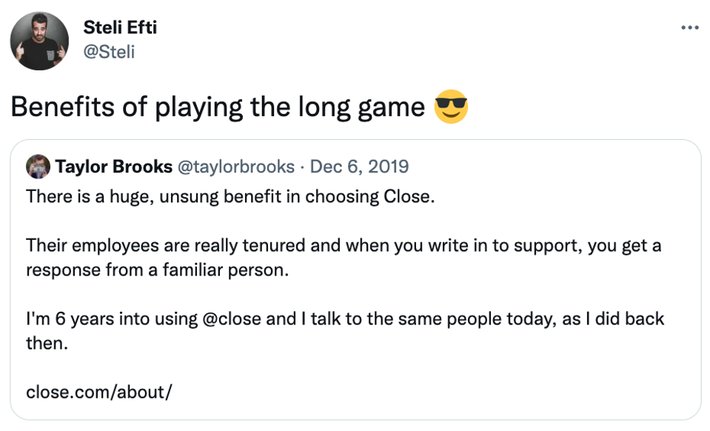
Playing the long game means prioritizing sustained progress and future gains over immediate gratification or quick wins.
Have you ever wondered about the strategies behind enduring success? What does playing the long game mean, exactly? It’s a concept that often gets overlooked in our fast-paced world.
It’s not about finding shortcuts, but rather building a solid foundation for future achievements, thinking long-term. This approach involves making decisions that may not show results right away, but will pay off considerably in the end.

What Does Playing the Long Game Mean?
Okay, let’s talk about something super important: playing the long game. You might hear this phrase a lot, and it’s really about how you approach your goals and life in general. It’s not about getting a quick win or instant success. It’s about thinking ahead, being patient, and making choices that will benefit you down the road. Think of it like planting a tree. You don’t see a big tree right away, right? It takes time, care, and a lot of waiting. Playing the long game is similar – it’s about the steady effort you put in over a long period to get what you want.
The Opposite of a Quick Fix
So, if playing the long game isn’t about instant gratification, what is it? Well, it’s the opposite of looking for the easiest, fastest way out. Imagine you want to be good at playing the guitar. A quick fix might be trying to learn a super complex song right away. You might feel cool for a day, but you’ll probably get frustrated and not really learn anything. Playing the long game, on the other hand, would be starting with the basics, practicing regularly, and slowly building your skills. It’s like climbing a ladder step by step rather than trying to jump to the top.
Avoiding the Temptation of Shortcuts
Life is full of shortcuts that seem really appealing. Think of diets that promise you’ll lose tons of weight in a week, or study guides that say you can learn everything overnight. These things might offer short term success, but they often don’t last. Playing the long game means resisting these temptations. It means understanding that real, lasting progress takes time and effort. It’s about building a solid foundation, not a flimsy castle in the sky that’s going to fall with the first little breeze.
Building a Strong Foundation
A strong foundation is like the roots of a tree – it provides support and stability for future growth. In the long game, this means focusing on the fundamentals, no matter what your goal is. Whether it’s learning a new skill, building a business, or creating good habits, starting with the basics sets you up for long term success. For example, if you want to be a good writer, practicing regularly and learning grammar rules are like building the foundation. You might not write a bestseller tomorrow, but you’re putting in the work to eventually get there.
Patience: The Key Ingredient
If playing the long game has one most important rule, it would be patience. It means being okay with the slow progress and not getting discouraged by small setbacks. It’s knowing that things worth having don’t come easily. It’s like waiting for the flowers to grow. You plant the seed, water it, and wait patiently, even when you don’t see results immediately. But with consistent care, they’ll eventually bloom. Patience helps you stay focused on your long-term vision even when things get tough or slow.
Dealing with Setbacks
Setbacks are a part of any journey, but they can be really challenging when you’re working towards a long term goal. The important thing is not to let them derail you. Instead, view them as learning opportunities. If you slip up on your diet, don’t give up completely. Acknowledge it, figure out what happened, and get back on track. It’s like a detour on a long road trip – it may slow you down, but it doesn’t mean you can’t get to your destination. Playing the long game means you are ready for the challenges and setbacks which will come for sure and you do not give up easily.
Staying Motivated Over Time
Maintaining motivation over a long period can be hard. There will be days when you want to quit or days you don’t feel like putting in the work. This is where having a clear goal and remembering why you started becomes crucial. Also, breaking the bigger task into small achievable goals helps a lot. Celebrate your small wins and keep reminding yourself of the end result. It’s like climbing a mountain – you don’t focus on the top, you focus on the next step, and you celebrate each milestone along the way. This will help you stay inspired.
The Power of Consistency
Another key element of playing the long game is consistency. It’s not about putting in a huge burst of effort once in a while. It’s about showing up every day and doing a little bit. Think of it like brushing your teeth. You don’t do it once a month; you do it every day. Small consistent effort over time makes a big difference. Consistent practice, learning, and work helps you build momentum, and that momentum can eventually carry you to your goals. If you are consistent in your work, success is inevitable.
Small Habits, Big Results
Building consistent habits is like planting a seed. One seed doesn’t seem like much, but over time, many seeds create a field. The same thing applies to our daily habits. Whether it’s dedicating 15 minutes to reading each day or waking up 30 minutes early for exercise, these small choices, when done consistently, create significant changes in the long run. Focus on building those little habits that will compound to bring big success in long run. It’s like stacking bricks, one at a time, to eventually build a house.
Avoiding Burnout
It’s important to make sure that while being consistent, you don’t push yourself too hard or too quickly. Trying to do everything all at once can lead to burnout, which is when you feel exhausted and lose your motivation. Pacing yourself and taking breaks when needed is very important. Remember the story about the tortoise and the hare? Slow and steady progress wins the race, not fast and reckless. It’s very important to maintain the balance.
Thinking Beyond Instant Gratification
Playing the long game often means making choices that might not feel immediately rewarding, but will benefit you a lot in long run. It requires a shift in mindset from immediate results to delayed rewards. It’s about focusing on building something real and lasting. For example, when your friends ask you to go to a party the night before your final exam, playing the long game means choosing studying to partying. It’s about understanding that short-term pleasures can hinder your long-term goals.
Making Smart Investments
Investing doesn’t always mean money, it can mean investing your time, energy, and effort. For instance, learning a new skill is like an investment in yourself, that can pay off in the future with more opportunities. Choosing to spend time reading books instead of watching TV might feel boring at that moment, but this will give you a lot of benefits in long term. Smart investment involves thinking strategically about the future and choosing options that will give you benefits over time.
Delayed Gratification
The ability to delay gratification is a big part of playing the long game. It’s about sacrificing short term pleasures for long term success. For example, saving your money instead of spending it all in one go might feel difficult, but that saved money can bring big success and help you in future. Delaying immediate satisfaction can be difficult, but the benefits are worth it if you want to play the long game. It’s about making sacrifices now to be better off later.
Long Game in Different Aspects of Life
The concept of playing the long game can be applied to various parts of your life, and it is not just limited to any one thing. It can be used in career, relationships, health, education and more. Let’s take a look at how this might look in practice:
Career Growth
In your career, playing the long game means focusing on building your skills and experience and not just chasing promotions and salary hikes. For instance, spending time learning new techniques in your industry will pay off a lot in the long run. This includes networking with people in your field, taking on projects that stretch you, and continuously improving your skills. It’s about building a strong foundation for a successful career that will grow over time.
- Learning new skills
- Networking
- Taking new project
- Improving skills
Relationships
Building strong and healthy relationships take time and effort. Playing the long game means choosing kindness, communication, and trust over fleeting drama. It’s about being there for the people you care about, being a good listener, and being willing to work through challenges. For example, spending time having meaningful conversations with your family and friends can make a big difference. These investments in your relations help to build a support system that will bring happiness and success over long periods.
Health and Fitness
When it comes to your health, playing the long game means building habits for the long term. It’s about eating healthy foods, regular exercise, getting proper sleep, and taking care of your mental well-being. It’s not about going for a quick weight loss plan or an intense workout for a week. It’s about making lifestyle choices that help you maintain good health throughout your life. It means focusing on sustainable changes, rather than quick fixes which will only provide short term benefits.
Education and Learning
Learning is a lifelong journey and if you apply long term strategy, you will see results. Playing the long game in education means focusing on understanding concepts rather than memorizing information for tests. It’s about being curious, asking questions, and being open to learning new things. It’s about building a strong knowledge base and a passion for learning that you will use your entire life. Instead of aiming to pass a single test, focusing on the learning part gives benefits in long term.
The Importance of a Long-Term Vision
Playing the long game starts with having a clear vision of what you want to achieve. It’s like having a destination in mind before starting a trip. Your vision guides your decisions, helping you focus your energy on what matters. It’s about seeing the bigger picture and understanding how all your efforts contribute to your overall goals. This doesn’t mean you need to have everything planned out perfectly, but you should have a clear idea of what you are working for.
Setting Realistic Goals
When setting your long-term goals, it’s crucial to ensure they are realistic and achievable. Breaking down your larger goals into smaller steps can make the process more manageable and keep you motivated. Each small achievement will give you a sense of progress which will encourage you to move ahead. Remember, the long game is not about perfection; it’s about progress. So, setting realistic goals will keep you on track.
Adjusting Your Path
Even with a long-term vision, it’s important to remain flexible and be ready to adjust your path as needed. Things might not always go as planned, and new opportunities or challenges might arise that require you to change your approach. The important thing is that you don’t lose sight of your vision and are ready to make changes as needed to help you get closer to your goals. Playing the long game involves being adaptable, and making changes whenever required.
The Rewards of Playing the Long Game
While playing the long game can be more challenging than going for short-term results, the benefits are worth the extra effort. The rewards are not just about reaching your goals but about the person you become during the journey. You develop resilience, patience, discipline, and the ability to handle any kind of challenges. Playing the long game is a path to a more fulfilling and satisfying life.
Building Lasting Success
One of the biggest advantages of playing the long game is that it helps you build real and lasting success. Unlike quick wins that may fade away, the results you achieve through long term effort tend to be more stable and sustainable. It’s like building a house on a solid foundation—it won’t easily crumble under pressure. Your achievements become a testament to your hard work, determination and resilience.
A More Meaningful Journey
Playing the long game is not just about reaching the destination but about making the journey meaningful. It’s about the lessons you learn, the challenges you overcome, and the progress you make along the way. The person you become through this process is often more valuable than the actual goal itself. It’s about enjoying the process, learning from your experiences, and growing into the best version of yourself. This will give a sense of satisfaction and purpose that cannot be achieved from short term gains.
Playing the long game is a choice, and it’s a choice that can lead to significant personal and professional growth. It’s about focusing on the big picture, having patience, maintaining consistency, and making wise choices that will help you in long term. It’s about understanding that true success takes time, effort, and a commitment to the journey. By embracing the principles of playing the long game, you’re setting yourself up for a more fulfilling, resilient, and successful life.
What does playing the long game mean? #shorts
Final Thoughts
Playing the long game means prioritizing sustained progress over instant gratification. It requires patience and a commitment to a specific goal, understanding that true success builds gradually.
This approach involves consistent effort and resilience, accepting setbacks as learning opportunities. You must focus on building lasting value, not quick wins.
Therefore, what does playing the long game mean? It signifies making choices that prioritize long-term benefits, demanding discipline and a strategic perspective.

