
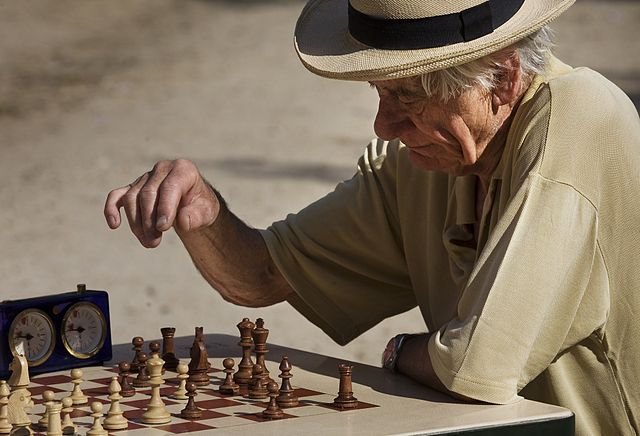
The chess game symbolizes a battle of strategy, intellect, and calculated decision-making, often representing conflict and the pursuit of dominance.
Have you ever pondered what does the chess game symbolize? This ancient game, played across cultures and centuries, holds a deeper meaning than just moving pieces on a board. It’s a fascinating subject we will explore, diving into the layers of symbolism that make chess such a compelling experience.
Chess depicts a microcosm of life, showcasing strategic planning, risk assessment, and the consequences of each move. The intricate dance of black and white pieces reveals a silent yet powerful story about power dynamics, competition, and the complexities of human interaction.

What Does the Chess Game Symbolize?
Chess, that ancient game of black and white squares, isn’t just about moving pieces. It’s a powerful symbol, holding different meanings for different people and cultures. It’s like a storybook told through strategy and tactics, and each piece plays a vital role in this narrative. Let’s take a journey and look at what chess really means.
A Battleground of Minds
At its heart, chess symbolizes a battle, but not a physical one. It’s a mental clash, a contest of wits. Each game mirrors a conflict, a struggle between two sides vying for control. Think of it like this: each player is a general, commanding an army of unique soldiers (the chess pieces), each with specific strengths and weaknesses. The chessboard becomes a metaphorical battlefield, where strategic thinking and clever planning decide the victor. It is a fight where you must anticipate your opponent’s moves and make decisions based on logic, not just luck. This element of intellectual combat has always been a draw for many chess players and watchers of the game.
Planning and Foresight
Chess also represents the importance of planning and foresight. You can’t just move a piece randomly and hope for the best. Each move you make is a step in a larger strategy. You have to think several moves ahead, anticipating what your opponent might do and preparing for various scenarios. This is just like real life! We often have to plan for the future, think about the consequences of our actions, and be ready to adapt when things don’t go as expected. Chess teaches us to be patient, methodical, and strategic, which are great qualities in everyday situations.
Analyzing the Board
A key skill that chess promotes is the ability to analyze a situation carefully. You can’t just blindly make a move; you have to understand how each piece influences the board and how it interacts with other pieces. It’s all about identifying patterns, recognizing threats, and seizing opportunities. Similarly, in life, we have to analyze situations, identify patterns, and then come up with a proper plan. Chess teaches you not to jump into something without evaluating the risks and rewards first. This skill of assessing the whole picture is useful in almost all areas of life, from school to work to personal relationships.
Power and Strategy
Each piece in chess has its unique power and role, and this symbolic nature is one of the game’s most captivating aspects. The Queen is the most powerful piece, capable of moving in any direction. It’s often seen as a representation of might and versatility. The King, while not powerful in terms of movement, is the most important piece; if he’s captured, the game is over. He symbolizes the leader who needs protection and strategy to win the day.
The Pieces and Their Roles
Let’s examine some of the other pieces:
- Rooks: These pieces, moving in straight lines, can be seen as a representation of strength and directness.
- Bishops: Moving diagonally, they symbolize tactical maneuvering and cunning.
- Knights: With their unique L-shaped movement, the knights represent unpredictability and the ability to jump over obstacles.
- Pawns: These small pieces often seem insignificant, but they are the backbone of the game and can evolve into powerful queens. They symbolize the importance of the common people and the potential for growth and progress.
The interaction of these pieces and the complex strategies needed to win show how diverse elements work together in any system. You have to use each piece wisely, just like you have to utilize your own strengths and work with others in real life.
The Game of Life
Many people believe that chess reflects the complexities of life itself. The choices you make on the chessboard have consequences, just like the choices you make in life. The game teaches about patience, problem-solving, and planning, all of which are important lessons for success and personal growth. Losing a chess game also teaches you resilience and how to learn from your mistakes.
Adaptability and Resilience
Chess is not a linear game. You may start with a plan, but your opponent may throw a curveball, and you have to change your tactics. This highlights the need to be adaptable. You must learn from your defeats, analyze your mistakes, and adjust your strategy for the next game. These principles are crucial in navigating life’s challenges. There are times when we have to change direction or accept losses, and how we react to these moments determine our progress.
The Importance of Learning
Every game of chess is a chance to learn. You learn from your own mistakes, from your opponent’s moves, and from observing better players. This mindset of constant learning and improvement is important in all areas of life. The skills you gain from playing chess, like critical thinking and strategizing, stay with you and help you overcome obstacles in the real world. The game provides a way to exercise your brain, challenge your thinking, and become a more resourceful person.
Chess as a Cultural Symbol
Beyond personal development, chess has served as a potent symbol in art, literature, and popular culture. It’s often used to represent complex situations, strategic planning, and power struggles. In some cultures, it represents social order and balance, the two sides working in a structured manner. It has been depicted as a metaphor for conflicts between nations and the intricate web of international politics. Its use as a symbol of intellectual pursuit means that chess often is shown as a activity for intelligent and thoughtful characters in storytelling. In many ways, it has come to represent intellectual competition itself.
Chess in Storytelling
In various forms of literature, film, and even songs, you will see chess being used as a narrative device. The game has been used to depict strategic thinking, battles, and complex relationships. Sometimes, the chess game itself is a central metaphor, representing a life or death battle, or a struggle for control or survival. This highlights how chess is not just a board game, it’s a symbolic language that everyone knows. Because people are familiar with the rules and the general idea of how the game works, it provides an easy way for writers and filmmakers to portray conflict and strategy.
Chess and Diplomacy
The concept of strategic moves, negotiation, and careful planning also makes chess a symbol of diplomacy. Just like chess players plot their moves, negotiators need to think ahead, anticipate each action, and strategize. The game often uses the terms “attacks” and “defenses”, which can mirror political or social situations, with the overall goal of gaining an advantage by a series of calculated moves. This use of chess highlights how strategies and tactical thinking are just as important in real world negotiations.
A Game for Everyone
Despite its symbolic weight, chess is also a simple game that anyone can play and appreciate. It’s a game that requires no equipment beyond a board and pieces, and can be enjoyed by people from all walks of life, of any age or background. This accessibility adds to its symbolic strength; it’s an equalizer, bringing people together in a shared challenge. Whether you’re a beginner or a seasoned grandmaster, the game offers a way to exercise the mind, compete fairly, and enjoy the process. This universality makes chess a great representation of human intellect.
Beyond Competition
Although competition is an integral part of chess, it also promotes a sense of sportsmanship and respect. You learn to accept defeat with grace, acknowledge your mistakes, and congratulate your opponent on a good game. This aspect of the game underscores that there are valuable lessons, beyond the win-lose dynamic. Learning about your weaknesses and strengths, your opponent, and the game itself are just as important as winning, and those lessons will guide your next chess game and your day to day life.
The Timeless Appeal
Chess has lasted through the ages, and it continues to be relevant. It has been a way to pass down tradition, culture, history, and ways of thinking to the next generation. This enduring appeal speaks to the game’s depth and complexity, and the symbolic weight it carries. In an increasingly fast-paced world, chess provides a space for contemplation, planning, and intellectual engagement. The game’s enduring popularity also shows how the universal themes and ideas that it symbolizes will always appeal to people.
In short, chess is far more than just a game. It embodies strategic thought, the battle of minds, the importance of planning and adaptability, and the pursuit of intellectual growth. It’s a mirror reflecting human conflict and also human cooperation. It has served as a symbol of power, diplomacy, and even the simple joy of competition. Its symbolic nature has allowed it to stay relevant and engaging through the ages, making it a continuing source of enjoyment and growth for people across the world.
The Symbolism of Chess
Final Thoughts
Ultimately, the chess game symbolizes a constant battle of strategy and foresight. Players must carefully consider each move’s potential consequences. It embodies intellectual combat.
The game represents life’s complexities, where every decision carries a weight and impacts the outcome. Chess teaches patience and critical thinking, it’s more than just a board game.
Thus, what does the chess game symbolize? It is a microcosm of conflict, planning, and adaptation. The strategic thinking applied in chess has value beyond the board game.

