
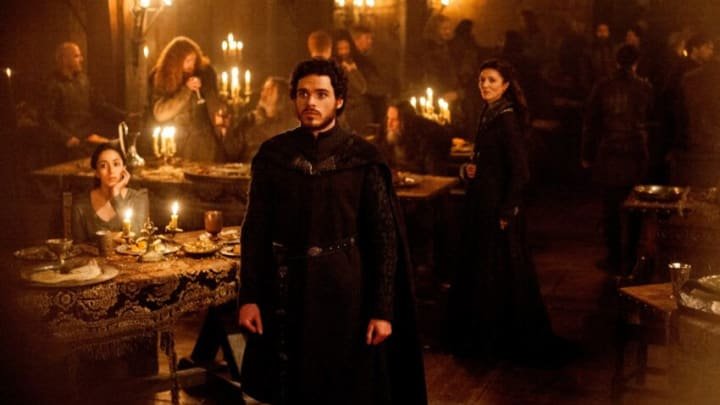
The setting of Game of Thrones is not a real historical era, but rather a fictional medieval world inspired by various historical periods, primarily the late Middle Ages.
Ever wondered what era is Game of Thrones set? Many find the sprawling castles and knightly orders familiar, yet the presence of dragons makes it clear this isn’t straight history. It’s easy to get lost in the political intrigues, the vibrant cultures and complex characters.
The world George R.R. Martin created draws heavily from medieval Europe. However, it is not designed to be a specific period. Think of it as a blend of different influences rather than one distinct time.

What Era is Game of Thrones Set?
The world of Westeros, as depicted in Game of Thrones, isn’t a direct reflection of any single historical period on Earth. It’s a rich tapestry woven from various threads of history, myth, and fantasy. Instead of pinpointing a specific year or century, we should think of Game of Thrones as existing in a fictional world inspired by the late medieval period in Europe, but with its own unique timeline and fantastical elements. Let’s dig deeper into the influences and how this blended era shapes the story.
A Fictional World Inspired by the Middle Ages
When we talk about the era of Game of Thrones, we’re often drawn to the similarities with the medieval era of our own history. Think of knights in shining armor, kings and queens, powerful lords and ladies, castles, sieges, and a feudal system. These are all hallmark features of the medieval period, and they’re very much present in Game of Thrones. However, it’s not a perfect copy, but more of a creative remix.
Key Similarities with the Medieval Period
- Feudal System: Just like in medieval Europe, Westeros operates under a feudal system. Lords pledge loyalty to higher lords, who in turn serve the King or Queen. Land ownership is the basis of power, and the social hierarchy is rigidly defined. You have the smallfolk working the land, knights sworn to protect their lords, and powerful families vying for control.
- Knights and Warfare: The show features plenty of knights, battles with swords and shields, castles under siege, and the importance of cavalry. These are all elements we associate with the medieval period. The technology of warfare is primarily based on close-quarters combat with some early forms of siege weaponry.
- Castles and Architecture: The majestic castles like Winterfell, King’s Landing, and Casterly Rock are all inspired by the architecture of medieval castles. They are fortified strongholds built for defense and projecting power. The designs, with their high walls, towers, and courtyards, give the show a strong medieval feeling.
- Social Structure: There is a clear social structure with nobles and commoners. The nobles, with their family names and titles, have control over everything. The commoners are mostly engaged in farming and other basic jobs. There is very little social mobility between the classes which is typical of a medieval society.
- Religious Beliefs and Practices: The faith of the Seven in Westeros, is similar to the role the Church played in medieval Europe. Religion plays a large part in the lives of the people and influences political and social dynamics.
Where Game of Thrones Diverges from History
While the inspiration from the Middle Ages is clear, Game of Thrones also takes many liberties, creating a world that is both familiar and fantastical.
- Magic and Dragons: Unlike the real medieval period, magic is a significant part of the Game of Thrones universe. We see it in prophecies, the powers of the red priests, and of course, the existence of dragons. These are elements of fantasy that greatly shape the story and make it unique.
- The White Walkers: The supernatural threat posed by the White Walkers is entirely fictional. There’s nothing like them in actual medieval history, adding a powerful element of fantasy and fear to the narrative.
- Unique Timeline and History: The history of Westeros is different from Earth’s history. It has its own kings, queens, wars, and ancient events that form its own timeline. The events and historical references in the show do not parallel the events of the Earth history and thus it cannot be classified within our timeline.
- Technological Development: The level of technological development is generally consistent with the medieval period, but some elements, such as the wildfire used in battles, are unique to the setting. The level of technological development is not same as in the Middle Ages of Earth’s history, which makes it different from real time period.
The Setting: A Blend of Inspiration
The world of Game of Thrones does not exist in our real timeline or history. Instead, it’s a world that blends elements from multiple eras, particularly taking a heavy influence from the medieval period. It’s also influenced by a period of war between the Roman Empire and the Celtic tribes, especially in locations like the North, which is reminiscent of these tribal regions. George R.R. Martin, the author of the books, drew inspiration from a variety of historical events and places to create the world of Westeros.
The Influence of the War of the Roses
One of the biggest real-world inspirations for Game of Thrones is the War of the Roses, a series of dynastic wars fought in England during the 15th century. The conflicts between the houses of York and Lancaster are mirrored in the struggles between the various great houses of Westeros, especially the Lannisters and Starks, although the reasons for their struggles are different.
- Power Struggles: Just like in the War of the Roses, Game of Thrones is filled with battles for power and the throne. Families compete, alliances are broken, and loyalties shift, keeping the show filled with conflict and surprises.
- Family Dynamics: The complex relationships within and between the families of Westeros mirror the intense family drama of the War of the Roses, particularly in relation to claims on the throne.
- The Role of Advisors: Similar to advisors and councilors in the War of the Roses, key characters in Game of Thrones wield significant influence by advising and sometimes manipulating the rulers.
Other Historical Influences
Beyond the Middle Ages and the War of the Roses, other historical elements contribute to the rich world of Game of Thrones. Here are some other historical periods and themes that we see in the world of Westeros:
- Roman Empire and the Barbarians: The setting of Westeros is sometimes influenced by the Roman Empire era, especially in the north. The structure of the Wall and the culture of the North, which is akin to the wild tribal territories near the Roman border, is an example of this influence.
- The Viking Age: Some of the seafaring cultures and raids seen in the show are reminiscent of Viking history, especially when we look at the Ironborn, who are known for their raids and longboats.
- Mythological Influences: The ancient stories and myths within Game of Thrones also draw from mythology. Legends of long winters and ancient heroes contribute to the complex history of Westeros.
Understanding the Fictional Timeline
Instead of looking for a single historical period, we should consider that Game of Thrones unfolds over its own timeline. The story takes place many years after the coming of the First Men to Westeros, the building of The Wall, and other significant fictional events. The story is set around 300 years after Aegon’s conquest of the six kingdoms of Westeros, where Targaryens ruled the seven kingdoms. Understanding its internal timeline and history helps one to fully understand the events that take place in the show.
Key Historical Events Within the Game of Thrones Universe
- The Arrival of the First Men: The first humans who arrived in Westeros many years before the events of the show, this is the start of human history in Westeros.
- The War with the Children of the Forest: A war fought between the First Men and the original inhabitants of Westeros who had magical powers.
- The Coming of the Andals: The Andals invaded Westeros and brought with them the Faith of the Seven, resulting in a cultural shift.
- Aegon’s Conquest: This is one of the most important events in Westerosi history. The Targaryen invasion led to the unification of six of the seven kingdoms and the rule of the Targaryen dynasty.
- Robert’s Rebellion: A rebellion that overthrew the Targaryens and led to Robert Baratheon becoming king.
These events set the stage for the political, social, and historical conflicts that play out during the series. The current events of the story take place after all of these historical events. All of these past events are important for a viewer to have some understanding about to fully grasp the scope and depth of the series.
The Importance of the Blended Setting
The blending of various historical and fantastical elements is part of what makes Game of Thrones so captivating. It creates a world that is both familiar and strange, making it appealing to a wide audience. The lack of a clear, direct historical parallel means that anything can happen, which keeps the viewers engaged and intrigued. The blended setting makes it a unique experience that is both new and has elements that are familiar to the viewers.
Why the Ambiguous Era Works
- Increased Flexibility: The creative team is not restricted by real-world history. They can mix and match different periods and elements to tell a great story.
- More Intrigue: The mix of historical and fictional elements makes the world more intriguing and allows the show to move in directions that real historical settings would not allow.
- Greater Storytelling Potential: By not being limited to one period, the story can delve into a vast variety of themes and characters from different backgrounds and cultures.
- A Unique Experience: The world of Game of Thrones becomes a unique experience for the viewer because of its complex combination of historical and fantasy influences.
Ultimately, the era of Game of Thrones isn’t about fitting into a specific period in our history. Instead, it’s about experiencing a compelling story set in a world that draws inspiration from many different periods, especially medieval, but also includes its own unique history, timeline, and fantasy elements.
In conclusion, the setting of Game of Thrones is not based on a single time period of Earth. It is a work of fiction that blends elements from different time periods, such as the Medieval Age, the Roman Empire and the Viking age. There are also major fantasy elements in the show, which are key aspects of the show that set it apart from a typical historical drama. The unique blended setting of the show provides viewers with an entertaining experience that cannot be compared with any other series based on real-world events.
Game of Thrones – Creating sets.
Final Thoughts
Game of Thrones is not based on any specific historical period. The world of Westeros is a fantasy creation, inspired by various medieval elements. It has knights, castles, and feudal systems.
However, the show’s setting isn’t a direct replica of any real-world era. The creators blended different influences, creating a unique and fantastical backdrop. That is why the question of what era is game of thrones set remains interesting.

