
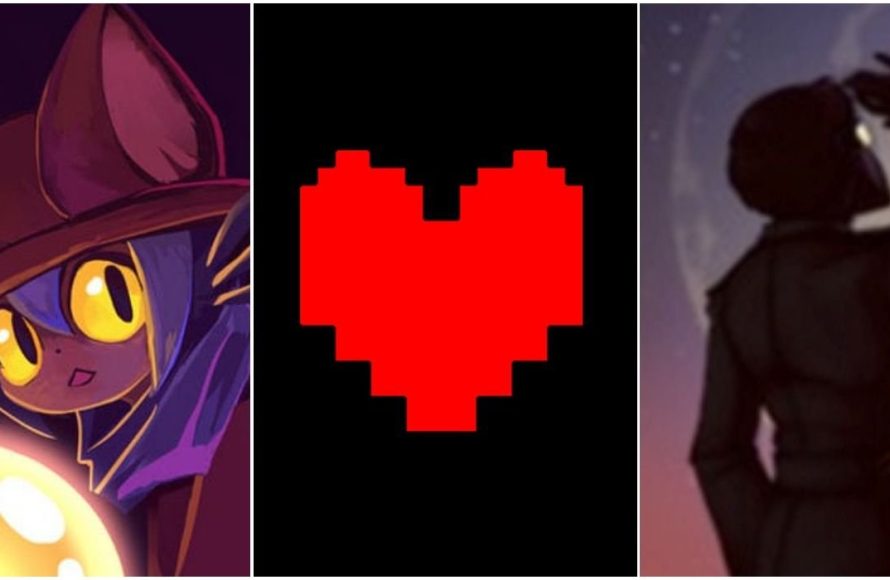
Undertale was made using the GameMaker: Studio game engine.
Ever wondered what powers some of our favorite indie games? The magic behind pixel art and charming stories often comes from clever game engine choices. Today, we are going to explore that exact topic in the context of a beloved classic.
Specifically, we will address the question, what game engine was undertale made in. This quirky and unforgettable role-playing game certainly has a unique feel. It makes you curious about the platform used during its development.

What Game Engine Was Undertale Made In?
Undertale, the quirky and heartwarming role-playing game that captured the hearts of millions, wasn’t created using a big, fancy game engine like some other titles you might know. Instead, Toby Fox, the talented developer behind Undertale, chose a different path. He decided to use GameMaker: Studio, a 2D game development engine. Now, you might be wondering, “What exactly is a game engine?” Think of it like a special toolbox for making games. It provides all the necessary tools and building blocks that developers need to create the visuals, sounds, and interactions we see and experience when playing a video game. GameMaker: Studio is particularly good for creating 2D games with a retro feel, and this was a perfect fit for Undertale’s unique art style and gameplay.
Why GameMaker: Studio?
So, why did Toby Fox go with GameMaker: Studio instead of something else? There are several compelling reasons for this decision.
Ease of Use
First and foremost, GameMaker: Studio is known for its user-friendly interface and accessibility. It’s designed to be relatively easy to learn, even for developers who are new to coding. This was especially helpful for Toby, who developed much of Undertale on his own. He could focus more on the game’s design, story, and characters rather than struggling with complicated code. GameMaker uses a language called Game Maker Language, or GML. GML is easier to pick up compared to other coding languages. This means more time spent on creating a unique and engaging game experience, rather than just battling technical hurdles.
2D Game Focus
Undertale is a 2D game, meaning everything is rendered on a flat plane. GameMaker: Studio is a perfect fit for this, as it has specific tools designed for 2D graphics and gameplay. It has built-in systems for handling sprites, backgrounds, and all the other visual elements. Instead of trying to make a 2D game in a 3D engine, which can be more difficult, GameMaker made it relatively simple. This meant that Toby Fox could make all the characters, locations, and battles with the retro aesthetic that made Undertale so charming.
Rapid Prototyping
GameMaker is known for its speed. It allows developers to quickly create and test ideas. This was really important for Toby. He likely experimented with many different gameplay mechanics and scenarios. The quick development time offered by GameMaker let him test and refine his ideas before implementing them fully. This ability to swiftly test and change things is crucial when crafting a game as unique as Undertale.
Customization Abilities
While GameMaker: Studio is user-friendly, it’s still quite powerful. It lets developers make lots of things just how they want them. Even though it is 2D focused, you can go into the engine and modify aspects like how the physics work. This customization was essential for Toby to achieve some of the unique mechanics and feel of Undertale’s battles, including the bullet-hell sections and the soul-heart system. He could bend the engine to his will to make his game play and feel how he envisioned it.
GameMaker: Studio’s Role in Undertale’s Development
It wasn’t just about the engine, but how Toby Fox used it. He wasn’t just making a game, but a story, and he utilized the engine to make that story come to life.
The Visuals
The retro, pixel-art style of Undertale is a big part of its charm. GameMaker: Studio made it relatively straightforward for Toby to create and animate these sprites. He made use of the sprite and tile system to create characters like Sans and Papyrus, as well as the various battle backgrounds and overworld maps, with their simple, yet effective look.
Battle System
The battles in Undertale are very unique, with the player dodging attacks in a small box. GameMaker: Studio’s flexibility allowed Toby to code this intricate system and tailor it perfectly to his vision. The bullet hell sections, the different attack patterns, and the way the heart moves—all of these things were coded with GameMaker.
Unique Gameplay Mechanics
Undertale has some unexpected mechanics, such as the ability to talk to monsters and resolve encounters peacefully. GameMaker’s coding structure allowed Toby to easily implement this unconventional gameplay. The choices the player makes and the different paths they can take, are all enabled with scripting in GML.
Music Implementation
Music is a vital part of Undertale. GameMaker: Studio has good support for playing sounds and music. Toby, who also created the soundtrack, was able to implement his memorable tunes directly into the game. The way the music changes during gameplay, and how it fits with the mood, was also facilitated with the engine.
Game Engines Compared: Why Not Others?
You might be wondering, why not use other popular game engines? Let’s briefly look at some of the alternatives and why they might not have been the ideal choice for Undertale.
Unity
Unity is one of the most popular game engines. It is great for 2D and 3D games, but it has more things than necessary for what Toby needed. It is also more complex than GameMaker. Unity can be a bit more complicated, especially when trying to make something with a retro aesthetic. For Toby, its capabilities were more than needed.
Unreal Engine
Unreal Engine is another major player. It’s best known for its high-end 3D graphics. While it can do 2D games, it’s primarily focused on 3D. This is another engine that would have been an overkill for Undertale, which was built for pixel art graphics, not for highly detailed and realistic visuals.
Other 2D Engines
There are other 2D-focused engines as well, such as Godot. While Godot is free and open source, it might not have been the engine that Toby was comfortable with. GameMaker, with its strong 2D capabilities, ease of use, and community, offered the most ideal route for creating Undertale, given its goals and resources.
| Engine | Primary Focus | Ease of Use | Suitability for Undertale |
|---|---|---|---|
| GameMaker: Studio | 2D Games | User-friendly | Excellent fit for 2D retro style |
| Unity | 2D and 3D Games | Moderate complexity | Could work, but might be an overkill |
| Unreal Engine | 3D Games | Complex | Not suited for 2D pixel art |
| Godot | 2D and 3D Games | Moderate complexity | Could work, but less popular than GameMaker |
The Impact of GameMaker: Studio on Undertale’s Success
The choice of GameMaker: Studio was not only a technical one, it also played a crucial part in making Undertale what it is today.
Indie Game Development
GameMaker is a favored engine in the indie game development community. This engine allowed a solo developer, like Toby, to realize his vision without a big budget and a large development team. The simplicity and rapid development features of GameMaker allowed him to complete and release the game with minimal resources and within a reasonable time frame.
Unique Visual Style
The engine helped to make a very specific kind of retro visual style for Undertale. Because GameMaker is very efficient at making pixel art games, the final product looked how Toby wanted it to. The look of the game is inseparable from its charm and what made it special.
Personalized Touch
GameMaker’s flexibility allowed Toby to have a personal stamp on all parts of the game. He wasn’t restricted by the engine, but used it as a tool to create a game that was exactly how he wanted it to be. That is why Undertale doesn’t feel like any other game out there.
Accessibility for Other Devs
The fact that Undertale was created in GameMaker has inspired many other indie developers to try their hand at using the engine. It shows what can be achieved, and that you don’t need the most complicated tools or the biggest team to make a fantastic game.
Looking Back at Undertale’s Development
Toby Fox’s journey with Undertale is an inspiring example of how a game can be created with a smaller team, making intelligent choices about the technology being used. He used all of the capabilities of GameMaker to his benefit. By choosing an engine that perfectly aligned with his vision, he managed to craft a unique and memorable experience. It wasn’t just about the engine itself, but how Toby used it to achieve a vision. The ease of use, 2D game focus, and customization capabilities made GameMaker: Studio the perfect platform for crafting such a special and well-loved game.
Undertale’s success story demonstrates the importance of picking the right tool for the job. GameMaker: Studio, though not as flashy as some of the big-name engines, provided everything Toby Fox needed to bring his creative ideas to life. This game continues to inspire aspiring developers and shows that sometimes the simplest tools can create the most amazing results.
Undertale is a horribly made game
Final Thoughts
Undertale’s unique charm comes from its design choices, but the question remains: what game engine was Undertale made in? The answer is GameMaker Studio. Toby Fox, the creator, utilized this 2D engine to bring his vision to life.
GameMaker’s flexibility allowed for the game’s distinctive art style and gameplay mechanics. It provided the tools for the unique battle system and dialogue. It allowed Fox to create this very memorable indie title.
Therefore, the answer is clear: what game engine was Undertale made in was GameMaker Studio. This choice was central to the game’s development.

