
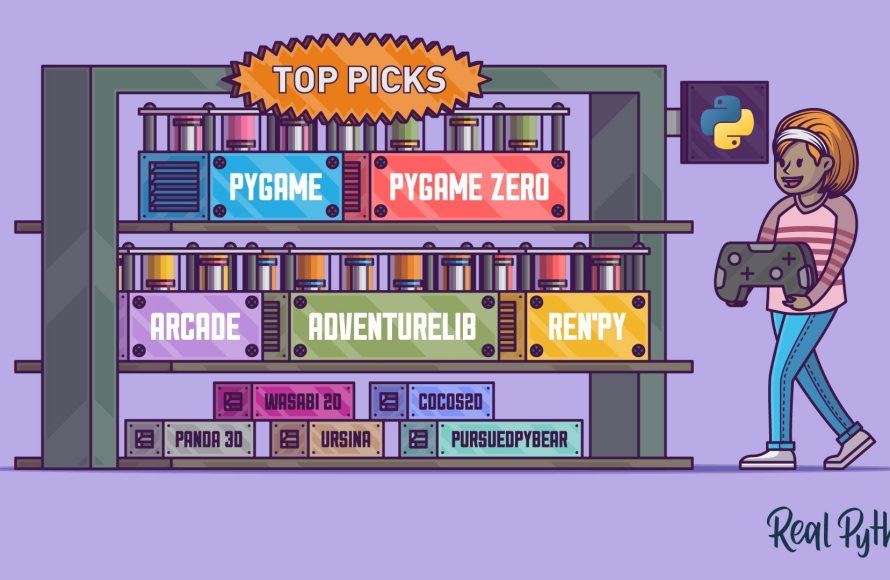
Game engines like Godot, Panda3D, and Pygame directly support Python for scripting and game logic.
Ever wondered what powers some of your favorite indie games? Many developers choose Python for its simplicity and rapid development capabilities. This brings us to the important question: what game engines use python? Knowing this can help you select the right tools for your game development projects.
The versatility of Python makes it a valuable asset in many game engines. This allows developers to leverage the language’s strengths within the game environment. Exploring these engines opens up a world of possibilities.

What Game Engines Use Python?
So, you’re curious about which game engines let you use Python, right? That’s a great question! Python is a super popular programming language because it’s easy to read and write. Many people like using it for all sorts of projects, and making games is no exception. But not every game engine works with Python. Let’s dive into the world of game development and see where Python fits in.
Why Python is Awesome for Game Development
Before we jump into the engines themselves, let’s quickly talk about why Python is such a good fit for game development. Think of Python as a helpful friend. It’s really good at doing a bunch of things:
- Easy to Learn: Python’s code looks a lot like regular English, so it’s simpler to pick up than some other programming languages. This means you can spend more time making your game and less time scratching your head trying to figure out code.
- Lots of Tools: There are tons of helpful tools and libraries (like little boxes of code) that are already made for Python. These tools help with things like drawing graphics, handling sounds, and making your game run smoothly.
- Fast Prototyping: Python is excellent for quickly making a working example of your game. This means you can test your ideas fast and make changes as you go. Think of it like building with LEGOs – you can put together a quick model and see if it works.
- Good for Scripting: Python is often used for scripting. Scripting is like giving your game specific instructions, like making a door open when you press a button or moving a character around.
- Large Community: Python has a big and friendly community. This means if you get stuck, there are many people online who can help you out.
Game Engines That Love Python
Okay, now for the main event! Here are some of the game engines that use Python and how they use it:
Godot Engine: Python’s Partner in Crime (Mostly)
Godot Engine is a very popular and powerful open-source game engine. It’s known for being flexible and easy to use. While Godot doesn’t natively use Python for its main scripting language, it does support Python through a very handy module called godot-python. This is where things get a bit different from using Python directly like in other programming projects.
Here’s how godot-python works:
- GDScript is King: Godot’s primary scripting language is called GDScript, which is similar to Python but tailored for game development in Godot. GDScript is the default for creating logic within the engine.
- Python for Advanced Stuff: The godot-python module enables the ability to integrate Python into the engine. Developers can use python to do things like create tools, develop complex game logic, work with AI, or automate workflows.
- Python as an extension: Think of godot-python as an extension for Godot, allowing Python to work alongside GDScript. You might use GDScript for the core game mechanics and Python for more complex systems.
- Flexibility and power: This combination provides both the simplicity of GDScript and the power and wide availability of Python libraries when needed.
In simpler terms, imagine you are building a house. GDScript is like the basic building blocks, and Python is like having a special toolkit to help you with specific things that you might not be able to do just with the building blocks alone. You would use the blocks for main walls and floors but when you need specific work for special things, you would use special tools. This is how it works with Godot and Python.
Pygame: The Classic Python Game Library
Pygame isn’t a full “game engine” in the way Godot or Unity is, but it is a very popular Python library used to make 2D games. It gives you all the tools you need to draw graphics, handle input, and play sounds. It’s simple and direct, which makes it great for beginners and learning game development.
Here’s why Pygame is a great choice:
- Pure Python: Everything you do in Pygame is in Python. You don’t need to learn another scripting language.
- Direct Control: You have complete control over how your game works. You write every line of code that creates your game.
- Good for Learning: It’s a perfect way to learn how games work behind the scenes. You learn the fundamentals directly.
- 2D focus: Pygame mainly focuses on 2D game development.
- Great Community and Resources: There is a very large community online and a lot of tutorials.
Think of Pygame as a set of tools that let you build your game from the ground up using Python. While this means you need to write more code than with a game engine, it’s incredibly helpful for getting a real feel for game development.
Panda3D: Python for 3D Worlds
Panda3D is an open-source engine for developing 3D games and simulations. It’s not as well-known as Godot or Unity, but it’s powerful and very Python-friendly.
Here’s how Panda3D uses Python:
- Python as its Main Language: The primary scripting language of Panda3D is Python. This makes it very comfortable for anyone who enjoys using Python.
- Great for 3D: Panda3D is designed specifically for creating 3D games and experiences. This means that you will be able to create complex scenes and characters.
- Cross-Platform: You can create your games for Windows, macOS, Linux, and even some mobile devices.
- A bit complex to Learn: It can be a bit more complex to learn than some other engines, but it provides a lot of control for making 3D games.
- Advanced Features: Supports things like advanced rendering, animations and other things.
Panda3D is like using python but having tools and functions built for 3D development. It means you can create detailed 3D games using Python directly, without dealing with another programming language.
Kivy: Python for Cross-Platform Games and Apps
Kivy is another awesome Python library that allows you to make user interfaces (UIs) and games that run on different platforms. While it’s not strictly a “game engine”, it’s often used for game development, especially 2D games and interactive applications.
Here are the notable things about Kivy:
- Python Based: You create your whole game using Python code.
- Cross-Platform Support: You can make games that work on Windows, macOS, Linux, Android, iOS, and Raspberry Pi.
- Great for UIs: Kivy makes building good-looking user interfaces very easy.
- Simple to Use: It’s generally considered easy to learn, especially if you know Python basics.
- Touch-Friendly: It works great with touchscreens, making it useful for mobile games.
Kivy is like a set of tools made for Python that help you make interactive apps, including 2D games, with special care for handling different types of screens.
Other Python Game Development Options
While the engines and libraries listed above are the most popular, there are other ways you can use Python for game development. Some less popular engines or libraries may still offer Python support, or there could be projects that let you integrate Python into other game engines.
For example, some developers might use Python for:
- Custom Tools: Creating extra tools for their games. For instance, making editors or asset management systems.
- Game Server Logic: Creating or controlling the server side of online multiplayer games, particularly for backend operations.
- AI and Machine Learning: Using Python and libraries like TensorFlow to make smarter game characters and behaviours.
It’s important to remember that the world of game development is always changing, so there may be new ways to use Python in the future. It is good practice to research regularly.
Choosing the Right Tool for Your Project
So, which game engine should you choose if you want to use Python? Here’s a quick guide:
| Engine/Library | Best For | How it uses Python |
|---|---|---|
| Godot Engine (with godot-python) | 2D and 3D Games, flexible workflows | Python scripting as an extension to GDScript |
| Pygame | Learning 2D game fundamentals, simple 2D games | Direct use for all game logic |
| Panda3D | 3D games and simulations | Python as main scripting language |
| Kivy | Cross-platform 2D games and interactive apps, mobile development | Python for full application development and UI |
Think about the type of game you want to make, your skill level, and what you want to learn. If you want to learn the basic game development principles and make 2D games, Pygame might be a good fit. For those looking for more of a game engine with Python integrations, Godot and Panda3D are worth exploring. And if your goal is cross-platform mobile games, Kivy would be a good choice. In the end, there is no one right choice, it depends on your specific goals.
So, you see, Python is a powerful tool in the game development world! It might not be the main language in all game engines, but it is very useful in many different ways. When you are thinking about starting a game development project, thinking about the tools and libraries that are out there is a very crucial part of the process, which helps you in making your development process easier and faster.
By thinking carefully about which tools you choose, and how they integrate with Python, you can bring your ideas to life in the way you’ve envisioned them. Happy gaming and developing!
Pyglet is perhaps the BEST Game Engine for Python
Final Thoughts
Several game engines integrate Python. Primarily, you’ll find Python’s scripting capabilities within Godot and Panda3D. These engines use Python for tools and game logic development. This makes them flexible choices.
Specifically, ‘what game engines use python’ often boils down to those seeking highly customizable options. The flexibility Python provides greatly aids in creating diverse game types. These engines are perfect for developers who appreciate Python’s straightforward nature.

