
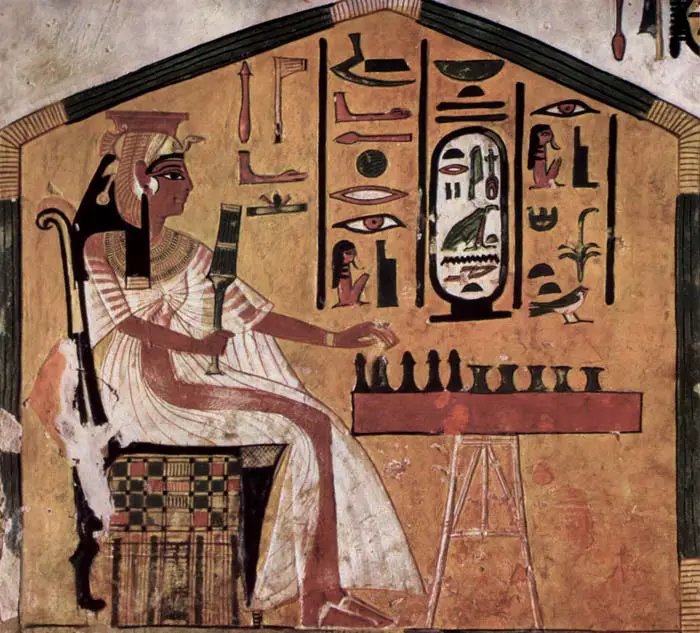
Ancient Egyptians enjoyed playing games like Senet, Mehen, and Hounds and Jackals. These games offered both entertainment and social interaction.
Ever wondered what pastimes filled the days for those living along the Nile? It’s fascinating to think about what games did ancient Egypt play, isn’t it? They weren’t just building pyramids; they had fun too!
These games give us a glimpse into their society and culture. We know they loved board games and other forms of recreation. Let’s dive in and see what kept them entertained.

What Games Did Ancient Egypt Play?
Imagine living thousands of years ago, in the land of pharaohs and pyramids – ancient Egypt! People back then didn’t have video games or TVs, but they still loved to have fun. So, what kinds of games did they play? Well, get ready to travel back in time because ancient Egyptians enjoyed quite a few games, some of which are surprisingly similar to games we play today! Let’s explore the fascinating world of ancient Egyptian games.
Board Games: More Than Just Fun
Board games were super popular in ancient Egypt. They were not just a way to pass the time but also often held a deeper meaning, sometimes connected to religious beliefs. These games weren’t just for kids; adults loved them too, and they could be quite complex.
Senet: The Game of Passing Through
Senet was probably the most well-known board game of ancient Egypt. We know about it because many Senet game boards have been found in tombs, sometimes even buried with the pharaohs! The game board has a grid of 30 squares arranged in three rows of ten. Players moved their pieces across these squares, following specific rules. Senet pieces often had different shapes, such as cones or spools.
What made Senet special was its connection to the afterlife. Ancient Egyptians believed that the game represented the journey of the soul to the next world. Reaching the final square symbolized reaching a place of rest and peace. It wasn’t just about winning; it was also about showing a person’s spirit moving towards eternity. You can find paintings and carvings that show gods playing Senet, emphasizing its importance in their culture.
How did you play it? Well, scholars are still working out the exact rules, but we know that players moved pieces using throwing sticks or bones, similar to dice. There were also specific squares that had special meanings, changing the way you played. Think of it like playing a board game with chance and strategy involved, and you’re in the right ballpark.
Here’s a basic idea of the game mechanics:
- The game is played on a 30-square board.
- Each player has a set of pawns (usually around five to seven).
- Players use throws of sticks or bones to decide how many squares to move their pawns.
- There are likely special squares on the board that alter the game.
- The goal is to be the first player to get all their pawns off the board.
Mehen: The Snake Game
Another interesting board game was called Mehen, which means “coiled one.” The game board was in the shape of a coiled snake with its head resting in the middle. Mehen had a game board that looks like a snake curled in a spiral. The snake was divided into sections and had a number of small pieces that went along the curve of the snake.
Mehen’s pieces were often small figurines of lions and lionesses, and there were also balls and small discs. It looks like the game involved players moving those figurines along the snake’s coils. The rules of Mehen are harder to figure out than Senet because we haven’t found as many well-preserved game boards. But we believe it may have been a game about strategy and a little bit of luck, just like many board games today.
Here’s what we know about Mehen:
- The board was shaped like a coiled snake.
- Players used small figurines of animals to move along the snake.
- The game appears to have been complex, potentially involving multiple players.
- Exact rules are unknown, but it was likely a strategy game.
Hounds and Jackals: A Race to the Finish
Hounds and Jackals, also sometimes referred to as the “Game of Fifty-Eight Holes”, is another game that archaeologists have discovered. This game features a board with holes for moving pegs representing dogs and jackals. This board game is not like other boards with flat surfaces, but this game board features a long rectangular shape, that has two lines of holes, typically 29 holes on each row, making a total of 58 holes on the whole game board. It appears to have been a game about racing, as each player would move their pieces around the board to be the first to reach the end.
Here’s a summary of what we know about Hounds and Jackals:
- The game board had two parallel rows of holes.
- Players used pegs to represent hounds and jackals.
- The goal was likely to race your pieces to the end of the board.
- The number of pegs and specific rules may have varied over time.
Activities and Physical Games
Ancient Egyptians didn’t just sit and play board games. They also enjoyed physical activities and sports. While these weren’t always “organized games” like we might think of today, they were definitely ways they had fun and stayed active.
Wrestling and Combat Sports
Wrestling was a very popular activity in ancient Egypt. You can find lots of depictions of wrestling matches on tomb walls. These matches weren’t just for entertainment; they were often part of religious festivals or athletic competitions. These wrestling matches were usually just people competing with each other, and sometimes there were even teams wrestling against each other! Wrestling was a way for people to show off their strength and skills, and it was certainly a favorite pastime for many.
Here are some interesting points about wrestling in ancient Egypt:
- Wrestling matches were frequently depicted on tomb walls.
- These matches were often part of festivals and athletic events.
- Wrestlers displayed strength and skill in a physical competition.
- It likely involved various holds and throws.
Hunting and Fishing: More Than Just Survival
Hunting and fishing were essential for survival in ancient Egypt, but they also provided fun and enjoyment. Imagine pharaohs and nobles going on hunting expeditions with their trained dogs and falcons! These hunts weren’t just about getting food; they were also a way to show wealth, power, and bravery. Fishing with nets or spears was also a common pastime for many Egyptians. While it provided food for their families, it was also a way to relax by the Nile River.
Here’s what we know about hunting and fishing as activities:
- Hunting was a sport for the wealthy elite.
- It often involved trained animals like dogs and falcons.
- Fishing was a common activity for all social classes.
- Both hunting and fishing were important to daily life but also recreational.
Ball Games: Simple Fun for Everyone
Evidence shows that ancient Egyptians also played simple ball games. Archaeologists have found leather and clay balls that were likely used for games. These games probably didn’t have complicated rules. They were likely similar to games like catch or other kinds of hand-eye coordination activities. People of all ages enjoyed playing these simple ball games, and it offered a way for everyone to play and have a good time.
Here’s what we know about ball games:
- Ancient Egyptians played with balls made of leather and clay.
- These games were likely simple games like catch or throwing games.
- People of all ages played with balls.
Tug of War: A Test of Strength
Tug of war, a game we still enjoy today, was also something ancient Egyptians played. Depictions of tug of war have been found in their art, showing that they enjoyed the challenge of pulling against a team of opponents. It was a great game for testing strength and teamwork.
Here’s a summary of tug of war in ancient Egypt:
- Ancient Egyptians enjoyed playing tug of war.
- It was a test of physical strength and teamwork.
- It was sometimes included in festivals and competitions.
Children’s Games and Toys
Children in ancient Egypt, just like kids today, loved to play! They had their own special games and toys. These toys were often made from simple materials like wood, clay, and stones. These objects show us what was important in their lives and how they spent their time.
Dolls and Figurines
Dolls were popular toys for young girls in ancient Egypt. These dolls were often made of wood, cloth, or clay. They weren’t always just simple playthings; some were dressed up in elaborate clothing and hairstyles. Figurines of animals were also common and these could be used in pretend play. These toys offered kids a chance to mimic real life and enjoy the process of creativity.
Here’s what we know about dolls and figurines:
- Dolls and figurines were common toys for children.
- These were made from various materials like wood and clay.
- Figurines could represent people or animals.
- They played a role in children’s imaginative play.
Pull Toys and Other Moving Objects
Ancient Egyptian kids enjoyed pull toys like small wooden animals or carts with wheels. These toys were often quite simple, but they were lots of fun for kids who liked to make them move around. They also had tops, spinning toys, and other objects that moved. These toys engaged kids’ curiosity and helped them understand movement.
Here’s a brief on pull toys and other moving toys:
- Pull toys were common, often featuring animals or carts.
- These toys encouraged children to move around.
- Tops and spinning toys were also popular.
- They offered simple yet engaging ways to play.
Board Games Adapted for Kids
Even though board games like Senet were played by adults, some simpler versions or similar games were played by kids. These games helped children learn strategies and how to take turns. They were a great way for families to spend time playing together. These simplified board games introduced them to the concept of strategy and competition at a young age.
Here’s what we know about board games for kids:
- Children likely played simpler versions of adult board games.
- These games helped them learn strategy and turn-taking.
- They were a way for children to play with others.
The Significance of Games in Ancient Egyptian Society
Games in ancient Egypt were far more than just simple entertainment. They played a very important role in many aspects of their life and culture. From their board games to their physical activities, each game had a particular significance in the world of ancient Egypt. Let’s see some of the major roles and significances of games in ancient Egypt.
Religion and the Afterlife
We talked about how Senet was more than just a game. It was also connected to ancient Egyptian beliefs about death and the afterlife. The game represented the journey of the soul, and playing it was a way to reflect on the process. Games like Senet were also used in religious ceremonies and were considered sacred objects. It shows the spiritual and religious beliefs of the ancient Egyptians.
Here’s how games were connected to religion:
- Some games like Senet had strong connections to beliefs about the afterlife.
- They represented the journey of the soul.
- Games were often used in religious ceremonies.
Social Interaction and Community
Games were a huge part of social life. They were a great way to interact with other people. Playing games was a way to spend time with friends and family, whether it was wrestling, playing ball, or sitting down for a game of Senet. Games also served to bring the community together during festivals and social events. Playing together promoted unity and bonding among the ancient Egyptian community.
Here’s a summary of social aspect of games:
- Games provided a way for people to spend time together.
- They fostered interaction among friends and families.
- Games were often played during festivals and social events.
Skill Development and Learning
Some games, especially board games, helped people improve skills like strategy, planning, and problem-solving. Even physical games like wrestling and hunting helped people improve their strength, agility, and coordination. Games helped people learn while having fun, which is a very good way to learn. By integrating games into their culture, the ancient Egyptians were able to encourage mental and physical development.
Here’s what we know about skill development:
- Games helped develop skills like strategy and problem-solving.
- Physical games helped build strength, agility, and coordination.
- Games served as a fun way to learn different skills.
Status and Wealth
For the elite class, games and sports served as indicators of wealth and status. The fact that they had the time and resources to participate in them showed that they were wealthy and of high standing in their society. We often found these board games and toys among the burial objects of rich people which reinforces this point. This also reflected the social hierarchy that was present during the period.
Here’s a bit on status and wealth in relation to games:
- Certain games and sports were indicators of wealth and status.
- Participation in these activities demonstrated time and resources.
- Games were often found in the burial sites of wealthy individuals.
Ancient Egyptians had a very rich and engaging culture, and their games provide a glimpse into their everyday lives, beliefs, and values. From board games connected to the afterlife to active sports and simple toys for kids, they clearly knew how to have fun. These games were more than just time-wasters; they were very integral to their social life, religious beliefs and for the development of skills. The next time you play a board game or enjoy a sport, think about how people thousands of years ago did the same thing, showing that playing and having fun is part of being human.
What Games did People Play in the Ancient World? • Spotlight • Ancient Board Games
Final Thoughts
Ancient Egyptians enjoyed various games. They played board games like Senet, which involved moving pieces across a grid. Mehen, a spiral game, was another popular choice. Children also played with simple toys and balls.
These activities show their recreation. These ancient games give us insights into their society. We can learn about entertainment through these activities.
So, what games did ancient Egypt play? From board games like Senet to simpler activities, play was a major part of ancient Egyptian culture.

