
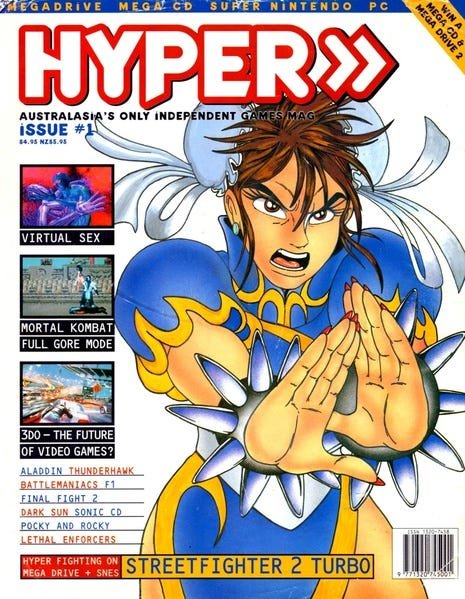
The internet largely replaced printed games magazines, offering quicker news, diverse content, and interactive experiences that print could not match.
Remember flipping through pages, eagerly awaiting the next issue? What happened to games magazine, that paper-based cornerstone of gaming culture? The digital age arrived, shifting how we consume information and game coverage.
Websites and online platforms quickly offered immediate news, game reviews, and forums. This accessibility and speed became a major challenge for printed magazines. Many great publications simply couldn’t keep pace, leading to their decline.

What Happened to Games Magazines?
Remember the thrill of flipping through a fresh games magazine? The glossy pages, the vibrant screenshots, the passionate reviews – it was a window into another world. For many of us, these magazines were how we learned about new games, strategies, and the culture surrounding our favorite hobby. But things have changed. The once mighty games magazine is now a much rarer sight. So, what exactly happened? Let’s explore the journey of games magazines and understand why they aren’t as prominent as they once were.
The Golden Age of Print: A Look Back
Before the internet was a common household fixture, games magazines were the kings and queens of gaming information. They were the primary source for news, previews, reviews, and all sorts of gaming goodies. Think about it: you couldn’t just hop online and find gameplay videos or a quick review. Magazines were the gatekeepers, shaping opinions and creating excitement around upcoming releases.
The Power of Printed Pages
Exclusive Previews: Magazines often had exclusive access to game developers, offering readers a sneak peek at highly anticipated titles. These previews weren’t just short blurbs; they were in-depth articles with interviews, early screenshots, and detailed descriptions of gameplay. This made reading them an important part of being a gamer.
Reliable Reviews: Reviews in magazines carried a lot of weight. The writers were perceived as experts, and their opinions could make or break a game’s success. Many gamers would wait eagerly for a magazine review before deciding if they would buy a particular game. The reviews were not only about the gameplay, but they included the game’s graphics, sound, overall enjoyment, and value.
Community Connection: Magazines weren’t just about games; they were about the gaming community. Many magazines featured reader letters, tips and tricks sections, and even competitions. This helped foster a sense of belonging among gamers who might not have other ways to connect.
Physical Artifacts: There was something special about owning a physical magazine. You could collect them, reread them, and pass them around with friends. The tangible nature of these publications made them feel like a valuable part of your gaming experience. These magazines were more than just a collection of words and pictures; they were memories that many gamers cherished.
Popular Titles of the Era
Several game magazines left a mark on the landscape. Some of the giants of their era included:
Electronic Gaming Monthly (EGM): Known for its multiple reviewers and extensive coverage.
GamePro: Famous for its “ProTips” and focus on gameplay strategies.
Nintendo Power: A magazine directly from Nintendo, it was essential for Nintendo fans.
PC Gamer: The go-to source for PC gaming news and reviews.
Official PlayStation Magazine: A similar publication but for PlayStation gamers.
These magazines, and many others, were the voices of gaming for years. They helped to define what it meant to be a gamer.
The Digital Revolution: A Shifting Landscape
Then the internet arrived, and things changed drastically. The way people consumed information shifted from print to digital, and game magazines were not immune. The digital realm offered immediacy and interactivity that print simply couldn’t match.
The Rise of Online Gaming Media
Speed and Accessibility: Websites could publish news and reviews instantly, while magazines had to go through the process of printing and distribution, which took a while. Readers could access information about a game the moment it was announced, not weeks later. This real-time nature of online content became a major advantage.
Multimedia Content: Online gaming sites could include videos, live streams, and interactive elements that printed magazines couldn’t. Gameplay footage, developer interviews, and live discussions became common ways for gamers to connect with the community. It was much more dynamic and engaging than still images and text.
Cost-Effectiveness: Producing online content is significantly cheaper than printing and distributing magazines. This allowed many smaller websites and blogs to emerge, creating even more sources of information for gamers. Readers also enjoyed accessing information without paying the cost of a magazine subscription.
User-Generated Content: The internet allowed for the rise of user-generated content, such as YouTube videos, blogs, and forums. This meant that anyone could share their gaming thoughts and experiences, making the internet an interactive hub. This democratization of content made magazines feel much less relevant.
The Impact on Print Magazines
The rise of the internet hit game magazines hard. Many were forced to shut down, while others tried to adapt to the new reality. Here are some ways the internet changed the game for magazines:
Decreased Subscription Numbers: As gamers moved online, subscriptions to print magazines dropped sharply.
Reduced Advertising Revenue: With fewer readers, magazines attracted less advertising money, making it difficult to keep producing quality publications.
Lost Exclusivity: The internet destroyed the exclusivity of information. Anything a magazine could publish could be found online in a flash.
Struggles to Adapt: Some magazines tried to transition to online formats, but many struggled to compete with the already-established digital content creators.
Adapting or Fading Away: The Fate of Gaming Magazines
The struggle for game magazines wasn’t easy. Some tried to change to stay in the game, others couldn’t keep up. Many simply disappeared, leaving behind fond memories. Let’s look at how the print magazines tried to adapt and what some of them have done to survive.
The Attempted Rebirth: Print Goes Digital
Many game magazines tried to jump onto the digital bandwagon. They launched their websites, experimented with digital subscriptions, and tried to engage with online communities. The results of these efforts were different from magazine to magazine.
Online Presence: Most magazines created websites to publish daily news, reviews, and features. This move allowed them to reach a wider audience and keep pace with the speed of online reporting. It also allowed them to use the power of search engine optimization (SEO) to gain more traffic.
Digital Subscriptions: Some magazines tried to offer digital subscriptions, allowing readers to access their content on tablets and computers. This move helped some magazines, but many readers just moved to free content.
Social Media Engagement: Magazines used social media to reach gamers, share their content, and build a community. They utilized these platforms to promote their work and connect with audiences.
Interactive Features: Some tried to add interactive elements to their online platforms, including forums and user feedback sections, allowing readers to contribute to the gaming discussion.
The Rise of New Media Platforms
As print magazines struggled, new media platforms quickly became the go-to sources for gamers. These new platforms changed how information is found and consumed.
YouTube: Gaming channels on YouTube became a primary source for gameplay videos, reviews, and guides. YouTubers’ personalities often became central to the experience, creating a more personal connection for fans. Channels like PewDiePie, Markiplier, and Jacksepticeye gained millions of subscribers, turning their personalities and commentary into their own kind of media platform.
Twitch: This platform became the home for live gaming streams, allowing viewers to watch gamers play in real-time. It created a sense of community and allowed viewers to interact with their favorite players. Twitch streamers and esports events became very popular.
Gaming Websites: Websites like IGN, GameSpot, and Polygon became huge online hubs for news, reviews, and features. They used SEO and social media strategies to reach a wide audience. These websites became the new standard for gamers seeking information.
Podcasts: Audio podcasts focused on games also became very popular, offering a more intimate and conversational way to learn about games. These shows offered a place for fans to connect with hosts and feel like they were involved in the gaming conversation.
Where are the magazines now?
The impact of the digital shift is undeniable. While the landscape of gaming media has changed significantly, some magazines have managed to carve out a niche for themselves in the digital era. Many others have simply ceased operations.
Reduced Circulation: Those that still exist typically have a much lower print circulation than they did in their heyday. The magazines now target a very niche audience rather than attempting to be the universal source they once were.
Digital Focus: Most publications are now primarily focused on their online content, with print editions being a supplemental source rather than the main focus.
Niche Publications: Some magazines have found success by focusing on very specific genres or consoles. This allows them to focus on a particular audience, instead of a general one.
Limited Print Runs: Even some of the most famous magazines have adopted limited print runs, primarily for collectors and die-hard fans of their brand. This allows them to keep the physical product alive without spending the money on mass distribution.
A Look at Current Print Options
While it’s true that print game magazines are not as prevalent as they once were, some still manage to hold onto a space in the market:
| Magazine Title | Focus | Print Status | Digital Presence |
| :———————— | :—————————————– | :————- | :————— |
| Retro Gamer | Classic and retro gaming | Regular Print | Strong |
| Edge | In-depth analysis and industry insights | Regular Print | Strong |
| Wireframe | Game Development, Design | Regular Print | Moderate |
| PC Gamer | PC Gaming News and Reviews | Regular Print | Very Strong |
| Official PlayStation Magazine | PlayStation Gaming | Digital Only | Strong |
| Nintendo Force | Nintendo Gaming | Limited Print/Digital | Moderate |
This table shows that while the physical print magazine space is still there, most magazines have a stronger focus on their online presence. The number of print magazines is very low, compared to their popularity from the past.
Why Some Gamers Still Like Print Magazines
Even in the age of the internet, there is a devoted group of gamers who still appreciate print magazines. They are not just relics of the past but hold a unique appeal for a subset of players.
The Joy of Physical Media
Tangible Experience: There’s something special about holding a physical magazine. The feel of the paper, the smell of the ink, and the act of flipping through pages provide a different experience compared to scrolling through a website.
Collectible Value: Magazines, especially older ones, can hold sentimental and collectible value. Many gamers keep their old issues as a reminder of their gaming history.
Curated Content: Unlike the overwhelming amount of information online, magazines present a curated selection of articles, making them an easier way to absorb information.
Relaxing Read: Reading a physical magazine can be a relaxing, screen-free experience, especially in a world saturated with digital screens. Some people like the change of pace that a print magazine offers.
The Sense of Community
Even though print readership has decreased, those who remain are often passionate, devoted fans who enjoy being part of a small group that values the unique experience of a print magazine. For them, it’s more than just reading about games.
Connection with Authors: Many long-time readers have a connection to writers who worked for magazines they enjoyed. They value the expertise and perspectives shared by these authors.
Sense of Nostalgia: For many gamers who grew up with magazines, reading them brings back feelings of nostalgia. It reminds them of when they first started playing video games.
Supporting the Medium: Fans of print magazines often see it as important to support the medium, helping to keep these publications alive in the digital age.
The story of games magazines is one of dramatic change and evolution. They were once the gatekeepers of gaming information, and now they have taken on a different role in our gaming culture. The rise of the internet caused significant damage to the print magazine, but there will always be a place in our gaming hearts for the feeling of holding a glossy magazine and diving into a gaming world.
The shift from print to digital highlights the changing ways we get our gaming news, reviews, and content. While print magazines might not hold the same power they once did, they still offer a special kind of enjoyment for those who appreciate the tactile, curated experience. Whether you enjoy the speed of online content or the relaxed pace of reading a physical magazine, the legacy of gaming magazines is an essential part of the history of games. The journey of games magazines teaches us a lot about how changes in technology and culture can impact the way we gather information and the communities we build around our hobbies.
What Happened to Game Magazines? (EGM, Gamefan, Nintendo Power) Geekoutdoors.com EP906
Final Thoughts
The digital age dramatically altered media consumption. Online gaming news sites and video platforms provided instant updates, challenging the printed format. This shift in preference severely impacted traditional magazines.
Ultimately, what happened to games magazine is that they largely became outdated. Readers moved away from printed issues and instead chose to consume content digitally. This made it difficult for the print format to compete, resulting in closures and consolidations.

