
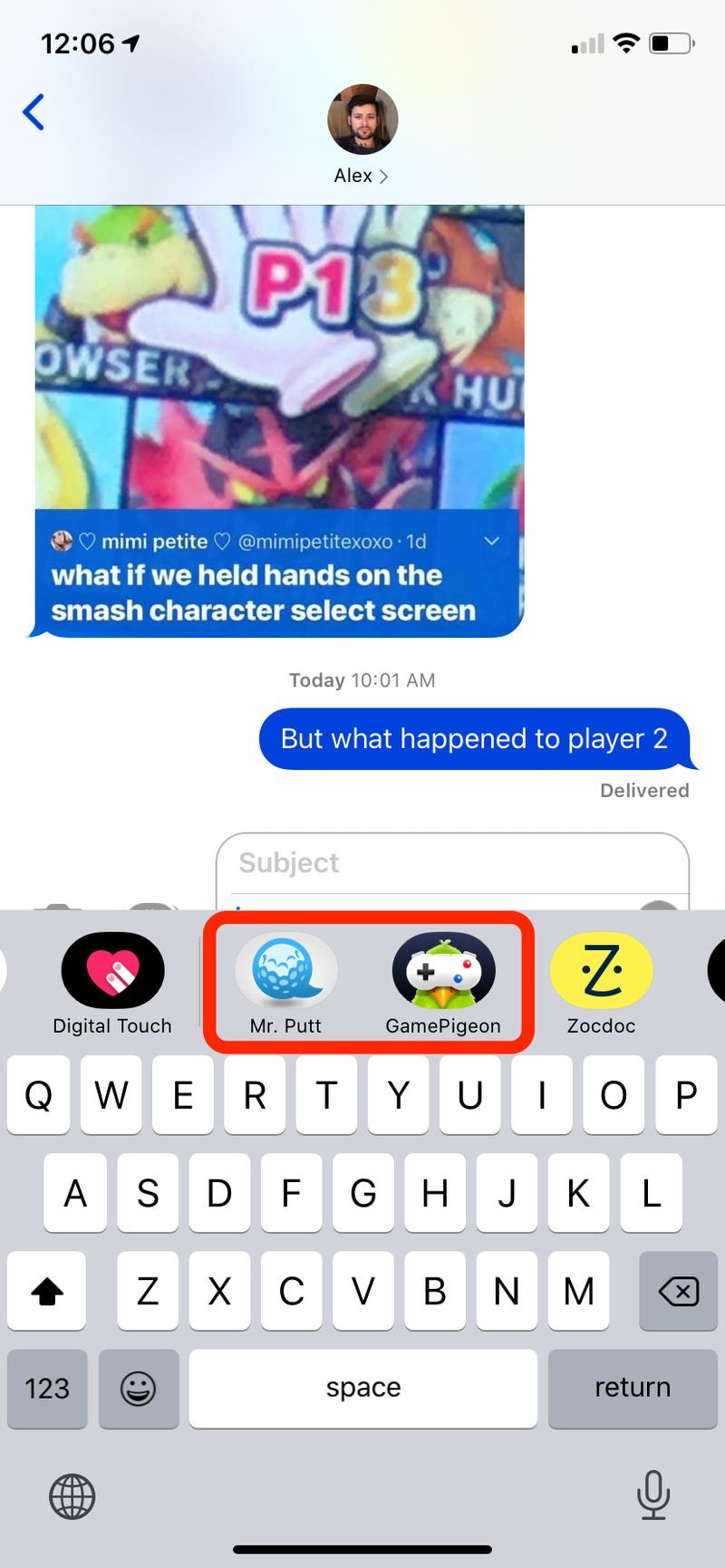
iMessage games
largely faded from popularity due to a lack of significant updates and the rise of more dedicated mobile gaming platforms.
Remember the days of quick, fun games within your iMessage chats? It felt like a brand new way to connect with friends. But, lately, you might be wondering, what happened to iMessage games?
That initial spark of excitement seems to have dimmed for many. The selection of games felt stagnant and lacked continued development. We’ve seen other mobile gaming areas become more popular, taking the attention away.

What Happened to iMessage Games?
Remember those fun times playing games right in your text messages? iMessage games were a pretty big deal for a while, letting you challenge friends to quick matches of everything from pool to word puzzles without ever leaving your chat. It felt like a whole new world of social gaming was right at your fingertips. But then… they seemed to fade away a bit. So, what exactly happened? Why aren’t we all battling it out in iMessage as much anymore? Let’s dive deep into this to find out.
The Rise of iMessage Games: A Promising Start
When Apple introduced iMessage apps in iOS 10 back in 2016, it was a big moment. Suddenly, you could do more than just send texts and emojis. The App Store opened up right inside iMessage, allowing developers to create mini-apps, and games were a popular choice. People were excited to play simple, engaging games with their friends instantly. It was so convenient. You didn’t need to download a separate app for each game or navigate through multiple menus. iMessage became more than just a messaging platform; it was a place to connect and play.
Several factors contributed to the initial popularity of iMessage games:
- Ease of Access: No need to exit the conversation to start a game. It was right there in the message thread.
- Social Connection: Playing with friends made it more fun. It was a great way to bond and have friendly competition.
- Variety: There was a decent variety of games to pick from, catering to different tastes, from simple arcade-style games to brain-teasers.
- Novelty: The idea of playing games within a messaging app was new and exciting. It had a unique, fresh feel.
Popular early iMessage games included classics like “Words with Friends,” “Game Pigeon,” and mini-versions of big titles like “Chess.” They took advantage of the simple, turn-based play style that iMessage was perfect for. The ease with which players could initiate a game, share results, and challenge each other made the games a hit.
The Challenges That Emerged
While the initial wave of iMessage games was exciting, they started to lose momentum. Several factors chipped away at their popularity. It wasn’t a single thing but rather a collection of issues that caused the decline.
App Discovery Problems
One of the biggest issues was how hard it was to find new and interesting games. The iMessage App Store wasn’t very user-friendly. It was often buried at the bottom of the message screen. People had to know exactly what they were looking for or spend time scrolling through a list of apps. This made discovering new games a chore rather than a fun experience. It wasn’t easy to browse and see what was available.
Performance Issues and Bugs
Like any new technology, iMessage games weren’t perfect at first. Many players experienced glitches, crashes, or slow loading times. This made games frustrating to play. The inconsistency in performance made people less likely to play frequently, making the app store experience less smooth. Imagine being in the middle of a heated match, and the app freezes! It is enough to put anyone off. These technical problems discouraged many users.
The Lack of Ongoing Development and Updates
After the initial launch, some developers stopped updating their iMessage games. The games became stale with same levels and features. New content and fresh challenges are needed to keep players engaged over the long term. Many titles failed to provide this constant growth and maintenance. Without updates, the games lost their replay value, causing players to move on to other things. The absence of innovation in a dynamic gaming world hurt.
Limited Functionality of iMessage Apps
There were some real limitations to what iMessage apps could do. Developers couldn’t make super complex games with advanced graphics or in-depth gameplay due to the restrictions of the iMessage platform itself. This forced many developers to focus on simple, casual games that didn’t have the staying power of more developed mobile games. The focus on simple experiences became tedious. It made them feel like a novelty than a permanent way to play.
Competition from Dedicated Mobile Games
The mobile gaming market is huge, with lots of high-quality games available. These games are more fully featured, more polished, and offer greater depth. Many of these games are also social and free to play. These apps provide a richer gaming experience and compete with iMessage games in a very real sense. This led many users to stick with more traditional, standalone games. The other mobile games proved a much stronger experience for many players.
Changes in User Behavior and Trends
Trends in mobile usage change quickly. What was cool a few years ago might not be today. Users are always searching for the newest, most exciting experiences, and iMessage games may have lost their shine. The novelty of playing in a messaging app may have simply worn off for many users. People started looking for games with more advanced features. The initial buzz faded away, and iMessage games became less of a priority.
The Current State of iMessage Games
While iMessage games haven’t completely vanished, they’re definitely not as popular as they once were. The iMessage App Store is still there, and a few games remain. However, the selection is smaller and less active than it was during its peak. It’s less likely that you’ll find new exciting games to play. For most users, iMessage is just a place to send texts and not to game.
Current Trends
Some developers have tried to adapt by incorporating new elements into their iMessage games. This includes adding augmented reality elements or mini-games based on current trends. However, they haven’t been able to replicate the success of the first set of games. Many users have moved onto other platforms that offer more robust and engaging gaming experiences.
Here’s what the landscape of iMessage games looks like now:
- Reduced Selection: Fewer games are available on the iMessage App Store than during its peak.
- Lower Engagement: The number of players actively using iMessage games is smaller compared to a few years ago.
- Continued Presence of Some Classics: Games like Game Pigeon still have dedicated players, but it’s not as widespread as before.
- Experimentation with New Features: Some developers are still trying to add features and new updates to draw in more players, but with moderate success.
Why Did This Happen?
Ultimately, a mix of factors contributed to the decline of iMessage games. The initial excitement was not sustained, and a variety of reasons are to blame. Let’s summarize the key reasons in a easy way:
- Discovery Problems: Finding new games was hard.
- Performance Issues: Bugs and slow loading times annoyed players.
- Lack of Updates: Many games didn’t get new content.
- Platform Limits: iMessage couldn’t support complex games.
- Mobile Gaming Competition: Dedicated apps offered better experiences.
- Shifting Trends: People moved on to different games and experiences.
It was not one individual thing, but a combination of issues that led to the decline. It highlights the challenges of creating sustainable gaming experiences within a messaging platform. The convenience was there, but the experience was not quite enough to compete with other options.
Lessons Learned From iMessage Games
The rise and fall of iMessage games offer several valuable lessons for developers and platforms alike. Here are a few key takeaways:
Importance of User Experience
A smooth and user-friendly experience is crucial. Players need to be able to easily find, download, and play games without any hassle. Any technical glitches or difficulties will push them away. The process must be seamless and enjoyable.
Need for Content Updates
Regular updates are vital for keeping players engaged. New levels, challenges, and features are a must. Developers need to invest in continued content to keep their games fresh and exciting for long periods of time. The idea that players will play the same thing forever is unrealistic.
Understanding Platform Limitations
It’s essential to understand a platform’s capabilities and limitations before developing for it. Developers should not try to make something too complex when a platform is only equipped for simple experiences. Games need to be tailored to the specific environment they exist in.
Competitive Analysis
The existing competitive landscape needs to be understood. When entering a market, a developer must recognize the other available options, and see how their product compares. Developers should ask themselves if their game can offer something unique or if it is something already offered.
Importance of Keeping Up With Trends
The gaming landscape is constantly changing, and developers need to be aware of the newest trends. They need to be able to adapt to what players are currently looking for. Innovation is essential in this industry. New features and approaches are always in demand.
What Does the Future Hold?
The fate of iMessage games is uncertain. While it’s unlikely we’ll see a return to the heights of their initial popularity, there’s still a possibility of resurgence in the future, especially with new platform updates. Apple could potentially redesign the iMessage App Store and make it more discoverable. Perhaps some very successful new game might appear and draw new attention to the platform. Time will tell if iMessage gaming will make a strong comeback.
Potential Scenarios
Here are some possible scenarios that could influence the future of iMessage games:
- Platform Improvements: Apple could make the iMessage App Store more discoverable and user-friendly.
- Innovative Games: New games with unique mechanics could attract players.
- AR Integration: More games could make use of augmented reality features.
- Focus on Casual Gaming: New games could focus on the shorter, simpler style that iMessage was designed for.
- Integration with other Apple Services: There could be potential for integrating iMessage games with Apple Arcade.
Regardless, the story of iMessage games is a good example of how technology trends come and go, and how important it is for developers to pay attention to the market and listen to what players want.
The initial burst of popularity for iMessage games showed the potential for social gaming right within our messaging apps. While various factors caused their popularity to decline, lessons learned from this will help shape the future of social gaming. Perhaps we might see an evolution or entirely new way to play with friends within our favorite messaging apps. One thing is for sure: the potential for social gaming experiences remains strong.
How To Play Games On iMessage!
Final Thoughts
iMessage games saw a decline in popularity. Many users simply stopped playing them, perhaps due to a lack of new compelling titles. The initial excitement faded.
A core reason for this downfall is developers focused on mobile apps instead. They found it much more lucrative. This left iMessage game library stagnant, so people moved on.
Ultimately, what happened to imessage games is they didn’t sustain interest. The focus moved elsewhere and the lack of updates sealed their fate.

