
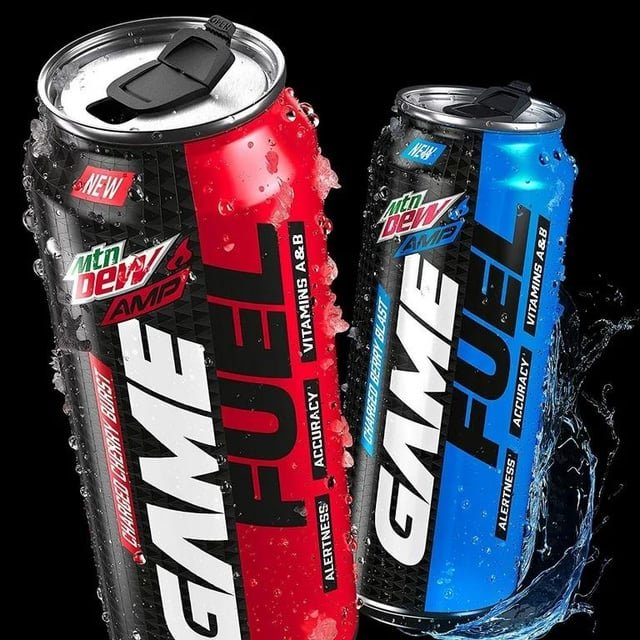
Mountain Dew Game Fuel was largely discontinued, with some flavors being rebranded or seeing limited releases.
Remember those brightly colored cans promising enhanced gaming performance? The energy drink world felt a jolt when we started asking, “what happened to Mountain Dew Game Fuel?” It had a dedicated fanbase, but its presence on shelves has diminished significantly. Many wonder why this once-popular beverage has seemingly vanished.
The disappearance of numerous Game Fuel flavors isn’t a mystery; it reflects typical beverage market shifts and product life cycles. While the brand isn’t entirely gone, its original, widespread availability has changed. You might find a few lingering or new iterations here and there, but not the full lineup of its peak.

What Happened to Mountain Dew Game Fuel?
So, you’re wondering what happened to Mountain Dew Game Fuel? It’s a question many gamers and soda fans have asked. It was a pretty big deal when it came out, promising that extra boost for those long gaming sessions. But then, it seemed to disappear from shelves, leaving a lot of us scratching our heads. Let’s dive deep into the story of Mountain Dew Game Fuel, exploring its highs, lows, and what its journey tells us about the beverage world.
The Rise of Game Fuel
Let’s rewind a bit. Back in the mid-2000s, Mountain Dew noticed something: gamers needed something to keep them going, something more than just regular soda. That’s how Game Fuel was born. It wasn’t just Mountain Dew with a new label; it was formulated with extra caffeine and different flavors that were supposed to enhance focus and energy.
The Original Flavors: The initial Game Fuel flavors were citrus-based, like the legendary “Citrus Cherry,” a mix of Mountain Dew with a hint of cherry, and “Berry Lime.” These flavors were bright, bold, and definitely got your attention. They were sold in special cans and bottles, often featuring imagery from popular video games of the time, like Halo.
Marketing Genius: Mountain Dew teamed up with game developers and publishers to promote Game Fuel. This wasn’t just putting a logo on a can; they created special promotions, in-game content, and contests that linked the soda with the gaming world. Think of codes in cans for in-game items, exclusive skins, and even chances to meet famous gamers. This partnership made Game Fuel more than just a drink; it was a part of the gaming experience.
Initial Success: Game Fuel was incredibly popular. Gamers loved the taste, the extra energy, and the feeling of being connected to their favorite games. It wasn’t uncommon to see fridges full of Game Fuel in dorm rooms, gaming cafes, and at gaming tournaments.
The Evolution of Game Fuel
The initial success of Game Fuel led to experimentation and changes. Mountain Dew tried out new flavors and collaborations, and the branding went through a few shifts. It was more than just a line extension; it became a canvas for exploring what gamers really wanted.
New Flavors and Collaborations
World of Warcraft Collaboration: Mountain Dew launched a special Game Fuel flavor to go with the release of World of Warcraft: Burning Crusade. This collaboration showed the potential for linking specific games with particular flavors.
Call of Duty Partnerships: The Call of Duty series got special attention with unique Game Fuel cans and promotions. These were some of the most sought-after collectibles, showing the power of co-branding.
Limited Edition Flavors: Over the years, Mountain Dew released limited-time flavors, sometimes tied to specific games or events, and sometimes just to test new ideas. This created a sense of urgency for collectors and fans, as these flavors would quickly disappear from shelves.
Zero Sugar Options: As people started being more aware of sugar consumption, Mountain Dew introduced zero-sugar versions of Game Fuel, which gained a loyal following for those wanting the energy without the calories.
Changes in Branding and Packaging
The Look and Feel: The packaging went from the bold, graphic style of the early days to more sleek designs that reflected modern gaming culture. The cans and bottles became more than just containers; they became collectible items that many fans kept as memorabilia.
Focus on Esports: As esports grew in popularity, Mountain Dew Game Fuel shifted its marketing focus to appeal to that audience. It sponsored teams and events, becoming a recognized brand in the esports scene.
Beyond Gaming: While it remained targeted towards gamers, the brand started to appeal to a broader audience. People liked the taste and the extra energy boost, whether they were gamers or not.
The Challenges and Decline
Despite its success, Game Fuel faced some challenges that led to its eventual changes. The competitive beverage market, changing consumer preferences, and some specific decisions made a dent in its popularity.
The Competitive Landscape
Energy Drink Competition: The rise of energy drinks like Monster and Red Bull gave Game Fuel strong competition. These drinks were specifically focused on energy, and some consumers moved to these as their go-to option for boosts.
Other Soda Innovations: The soda industry itself didn’t stand still. Other brands were coming up with new flavors and healthier alternatives, making it harder for Game Fuel to stand out.
Shifting Consumer Preferences: More people became aware of the amount of sugar and artificial ingredients in their drinks. This led to a decline in the popularity of sugary sodas, including Game Fuel. The trend toward healthier options was a major hurdle.
Internal Factors
Flavor Fatigue: Over time, some people felt that the Game Fuel flavors became repetitive or that the new flavors weren’t as exciting. The novelty of the unique flavors seemed to fade for some loyal customers.
Marketing Missteps: Some marketing campaigns didn’t resonate with the audience as well as others. While partnerships with big games were always a hit, some of the other marketing efforts missed the mark.
Availability Issues: There were times when Game Fuel was hard to find in certain areas or would disappear from shelves for months. This inconsistent availability caused frustration among dedicated fans.
The Rebranding and Relaunch
Acknowledging the challenges, Mountain Dew made a significant change. They decided to rebrand and relaunch Game Fuel, which included a new look and different goals. It was an attempt to recapture the original magic and bring back some of the lost customers.
New Focus and Approach
Emphasis on Healthier Options: The relaunch of Game Fuel shifted to feature zero-sugar options and focus on natural energy sources. This showed the company’s willingness to adapt to changing consumer preferences.
Reworked Flavors: The new Game Fuel flavors are more diverse. Some have a fruitier or smoother taste. They wanted to ensure that the new flavors appealed to a broader range of tastes while still being distinctive.
Sleeker Design: The new cans and bottles have a more minimalist look, with a greater focus on functionality. This change was made to appeal to modern consumers.
Partnership with Esports: The brand doubled down on esports and partnered with gaming streamers and teams, trying to connect with the gaming world again. They wanted to show that Game Fuel is still made for gamers, not just a random energy drink.
Impact of the Rebrand
Mixed Reactions: The new Game Fuel received mixed reactions from fans. Some welcomed the new flavors and healthier options, while others missed the original Game Fuel. The change led to a split among the brand’s loyal customer base.
Increased Availability: The newer versions have been more readily available, addressing a previous challenge. This improvement in distribution has helped more people to try the new versions of the drink.
Still Evolving: The story of Game Fuel is still unfolding. Mountain Dew continues to experiment with new flavors and promotions, showing that they are still determined to make Game Fuel a relevant product in the beverage world.
The Legacy of Game Fuel
Even with the changes, Mountain Dew Game Fuel has left a mark. It showed how a brand can connect with a specific community and create something more than just a beverage.
Cultural Impact
A Gaming Icon: Game Fuel became an icon in gaming culture. It was a staple of many gaming events, and even today, gamers share stories about their favorite flavors and memories of drinking Game Fuel during marathon sessions.
The Power of Collaboration: Game Fuel demonstrated the power of collaboration between the beverage and gaming industries. It showed how a brand could enhance the gaming experience and create a closer bond between companies and consumers.
Influence on Other Brands: Other beverage brands took note of Game Fuel’s success, leading to more video game collaborations and specific energy drinks for gamers.
The Future of Game Fuel
Continued Innovation: Mountain Dew will likely continue to innovate with Game Fuel, trying out new flavors and marketing strategies.
The Importance of Understanding Consumer Needs: The story of Game Fuel teaches brands the importance of understanding the needs and preferences of their target audience.
A Reminder of Brand Evolution: Game Fuel is a good example of how brands evolve. It shows that not everything will stay the same forever, and adaptation is vital.
Mountain Dew Game Fuel’s journey has been a rollercoaster of successes, challenges, and changes. From its initial rise as a gaming staple to its rebrand and continued evolution, it serves as an intriguing case study. While it may have changed, its impact on the gaming community and beverage industry remains. It shows how brands must constantly adapt to meet changing consumer needs and preferences to stay relevant. It is a testament to the power of connecting a product with a specific cultural community, and the result that a product can be more than just a drink. It can be a connection.
I finally found the new MTN DEW Game Fuel!
Final Thoughts
Mountain Dew Game Fuel initially targeted gamers with specific flavor profiles and enhanced ingredients. They frequently collaborated with popular game franchises, creating limited edition cans. However, the product line’s availability and marketing focus shifted.
Ultimately, what happened to Mountain Dew Game Fuel is that it transitioned. The brand now mostly focuses on more general energy drink options, rather than heavily gaming themed drinks. The core concept continues, though its original form is quite different now.

