
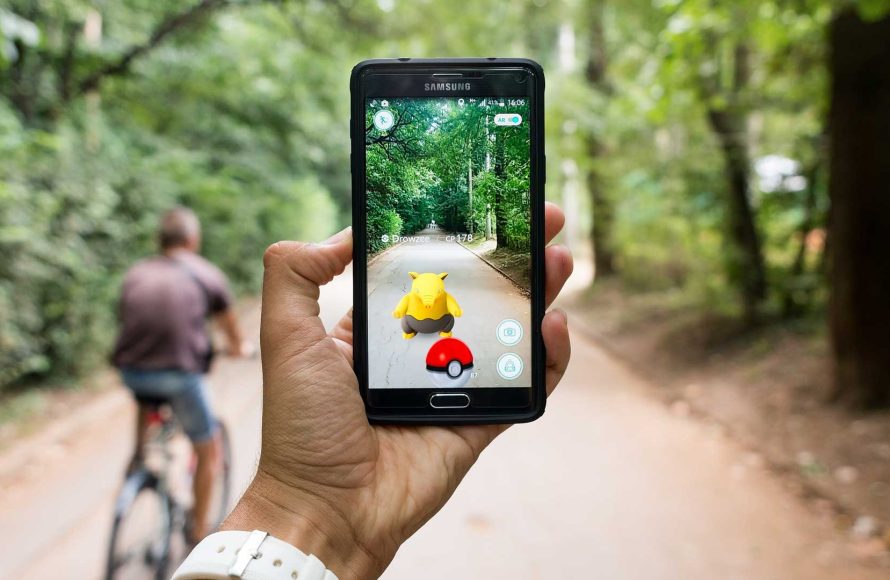
An AR game is a video game that overlays computer-generated images onto the real world, typically through a smartphone or tablet.
Ever wondered about games that blur the line between reality and the digital world? Well, let’s talk about just that. We are exploring what is a ar game. It’s a technology that places virtual elements into your actual surroundings.
Imagine playing a game where monsters appear on your street or puzzles form in your living room. That is the magic of augmented reality games. They combine real-world environments with interactive gameplay.

What is an AR Game?
Okay, let’s dive into the super cool world of AR games! You’ve probably heard of video games, right? You play them on a screen, like a TV or your phone. Well, an AR game, which stands for Augmented Reality game, is a little bit different. Instead of taking you to a completely make-believe place on your screen, it brings the game into your world! Imagine your living room turning into a battleground, or a tiny dragon sitting on your desk. That’s the magic of AR games. They use your phone or tablet’s camera to overlay computer-generated images onto what you see around you.
How Does AR Work in Games?
To really understand what an AR game is, we need to know a bit about how the technology works. It’s actually pretty neat! AR games rely on a few key things:
Your Device’s Camera: The game uses the camera on your phone or tablet to see what’s around you. It’s like the game is “looking” at your real-world environment.
Sensors: Your device also has sensors, like gyroscopes and accelerometers, that help the game understand how you’re moving and which way you’re facing. This is important so that the AR objects stay put where they are supposed to, even when you move.
Software: The game’s software is the brains of the operation. It takes the information from the camera and sensors and figures out where and how to display the digital objects. It makes it all look like the digital characters and items are interacting with your real world.
When all these pieces work together, you get the amazing experience of seeing virtual objects like characters, monsters, or even just interactive designs appearing in your actual surroundings. You are not watching something on a screen that seems far away, you’re looking at something in your own space! That’s a fundamental element of what makes an AR game.
Different Types of AR Games
Just like there are many types of video games, there are different kinds of AR games too! Here are a few examples:
Location-Based AR Games
These games use your actual location in the world as part of the game. They often use maps that look like your city and have you walking around to find objects or interact with virtual locations.
Example: Pokémon Go is a very popular example. You walk around outside to find and catch virtual Pokémon that appear on your phone screen in real places.
How it Works: These games often use GPS to know where you are.
Key Features: Explore real world locations for virtual rewards. Physical activity is often required.
Tabletop AR Games
These types of games bring a virtual world right onto your table or other flat surface.
Example: Some strategy games use AR to let you see the game board and your playing pieces projected onto your dining table, making it a more immersive experience.
How it Works: The game usually needs to identify a flat surface using the camera and then overlay the virtual elements.
Key Features: Play experience in your personal space. Visuals of the game are on your real tabletop.
Object Recognition AR Games
These games recognize specific objects and use them to create an AR experience.
Example: Imagine a toy that, when you point your phone camera at it, transforms into a virtual character on your screen that you can then interact with.
How it Works: The app scans an object using the camera, and then displays virtual components relative to the scanned object.
Key Features: Interaction with real-world objects to initiate play. Brings your toys to life.
Marker Based AR Games
This is where you use a particular image or pattern to “trigger” the AR experience.
Example: You might print out a special picture, and when you look at it through your phone or tablet camera, a 3D character pops up from the image.
How it Works: The application recognizes the image you point your camera at, and triggers a virtual object to overlay on that image.
Key Features: Usually involves a specific visual item to start the experience. This type of ar often uses simple printables.
The Difference Between AR and VR Games
You might have heard of Virtual Reality (VR) games too, and it’s easy to get them mixed up with AR. So, what’s the big difference?
AR (Augmented Reality): AR games add to your real world. They keep you aware of your environment and layer digital things on top of what you already see. Think of it like a transparent screen where digital objects appear on your real surroundings.
VR (Virtual Reality): VR games replace your real world with a completely digital one. You usually wear a headset that blocks out everything around you and you’re transported to a new place that’s completely created by the computer.
Think about it like this: If you’re playing an AR game in your living room, you can still see your couch and your toys. But with a VR game, you’d be in a completely different digital environment, like a space station or a jungle.
Here’s a table to help you see the key differences:
| Feature | Augmented Reality (AR) | Virtual Reality (VR) |
| ————— | —————————————- | —————————————- |
| Environment | Overlays digital on the real world | Replaces the real world with a digital one|
| Awareness | You are still aware of your surroundings | You are completely immersed in a digital world |
| Hardware | Usually uses phone or tablet | Usually requires a headset |
| Examples | Pokémon Go, AR filters on social apps | Beat Saber, Minecraft VR |
Why are AR Games so Popular?
AR games have become very popular for some pretty cool reasons:
Novelty: It feels amazing to see virtual creatures interacting with real stuff in your room. This brand new gaming experience is a big draw. It’s like magic coming to life!
Accessibility: You usually need nothing more than a phone or a tablet to play an AR game. This is much more accessible than needing expensive VR headsets.
Active Play: Location-based AR games get people moving. You have to get up and walk around to play, making it a fun way to be active.
Immersive Experiences: AR games feel more immersive because the virtual game blends in with the real world.
Social Fun: Many AR games allow you to play with friends. This collaborative aspect makes them even more fun.
Examples of Popular AR Games
You may be familiar with some of these already, because many are very popular:
Pokémon Go: This global phenomenon lets players catch Pokémon in the real world.
Minecraft Earth: Players collect resources and build structures in real world locations using the Minecraft universe. This game has officially sunset, but provides a good example.
Harry Potter: Wizards Unite: You can explore the wizarding world in your own neighborhood and fight magical creatures. This game has officially sunset, but also provides a good example.
Ingress: This game turns the world into a global game of territory control using digital portals.
Snapchat & Instagram Filters: Though not games in the traditional sense, these filters use AR technology to create fun and interactive experiences with the camera.
AR based Chess: Many mobile chess games now offer an augmented reality experience. The player points the camera at their chess board, and the virtual chess board appears on their screen.
The Future of AR Games
AR games are not just a fad; they are part of the future of gaming. Here’s what we might see in the future:
Better Graphics: As technology develops, we’ll see AR games with even more realistic graphics and smoother interactions.
More Integration: AR elements will likely be integrated into more apps and experiences, not just games. We could use AR to try on clothes while shopping, or to see how furniture would look in our home.
Better Accuracy: AR systems will get better at understanding the environment. This will result in more seamless and precise AR experiences.
New Gaming Types: We’ll see new types of AR games that we haven’t even thought of yet. Imagine using AR in education or for creative endeavors.
Smart Glasses: The development of comfortable, stylish smart glasses will help with the ease of use of AR. Instead of holding up your phone, AR elements may appear right in your field of vision using these glasses.
Greater Collaboration: We may see more collaborative AR experiences where several players can interact within the same shared augmented space.
How to Get Started with AR Games
Want to get started playing AR games? It’s super easy!
1. Get a Device: Most AR games work with modern smartphones and tablets.
2. Find Games: Search for “AR games” in your device’s app store (like the App Store for iPhones or the Google Play Store for Android devices).
3. Download and Play: Pick a game that looks interesting and download it.
4. Follow Instructions: Each game has its own instructions, so make sure you read them and follow them.
5. Have Fun! Just remember to be aware of your real-world surroundings when you are playing.
So, that’s a big overview of what an AR game is! It’s a cool way to blend the virtual and real worlds and makes for a unique gaming experience. It’s an evolving field, so there is even more exciting stuff to come!
The Rise Of Technology-Augmented Reality(AR), Virtual Reality(VR) And Mixed Reality(MR) |Simplilearn
Final Thoughts
An AR game overlays digital content onto the real world. It uses your phone’s camera and sensors. Players interact with this merged reality. What is a ar game involves blending play into daily life. The experience can be fun and educational.
These games use augmented reality tech. This adds a new layer to gaming. Players might catch Pokemon in the park. Or fight monsters in their living room. These experiences differ greatly from traditional games.

