
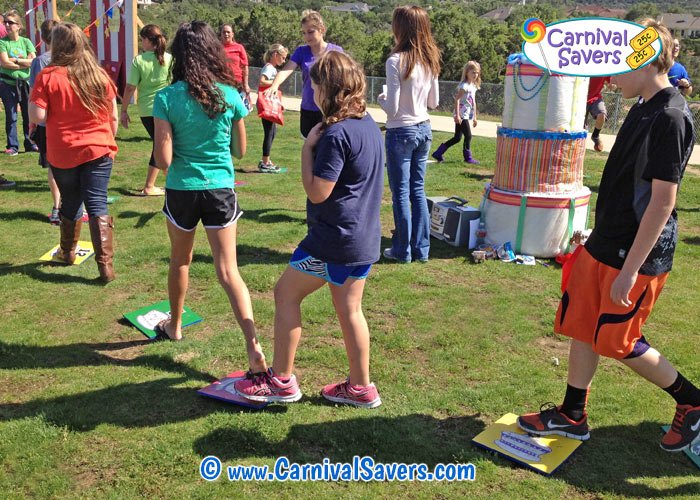
A cake walk game is a simple, often circular, game where participants walk around numbered spaces, and a randomly chosen number determines the winner who receives a cake or prize.
Ever wondered about those fun games at carnivals or school events? You might have heard the term, but what is a cake walk game really? It’s a simple, enjoyable activity, often seen at parties and fairs.
The basic concept involves participants walking around a circle of numbered spots. When the music stops, a number is drawn and whoever is on that spot wins. It’s a game of chance, providing a bit of excitement for everyone involved.

What is a Cake Walk Game?
Have you ever been to a school carnival, a church fair, or a birthday party and seen people walking around in a circle to music? And then, when the music stops, everyone rushes to a numbered spot hoping to win a prize? That’s probably a cake walk! It’s a simple game, but it’s packed with fun and excitement. Let’s dive deep into what makes a cake walk so popular and how it all works. It’s more than just walking in a circle; it’s a classic game loved by kids and adults alike.
The Basic Setup of a Cake Walk
At its heart, a cake walk is a game of chance, combined with a little bit of musical fun. Here’s how it usually looks:
- Numbered Spots: The playing area is set up with numbers arranged in a large circle or square. These numbers can be on paper plates, pieces of cardstock, or even painted on the ground. There’s typically one spot for each participant.
- Music: Music is a key ingredient! Usually, upbeat and cheerful music is played while everyone walks around the circle of numbers. Think of it like musical chairs, but without the chairs!
- The Prizes: The real fun of a cake walk is winning a prize! Traditionally, the grand prize is a cake (hence the name), but you can use just about anything – small toys, gift certificates, candy, or even themed prize baskets. The selection of the prize will depend on the event and what everyone likes.
Walking the Walk: How to Play
Playing a cake walk is very straightforward. Here’s a step-by-step guide:
- Get Your Spot: Find an open spot on the numbered circle. Everyone should be spread out and ready to walk.
- Start the Music: Someone starts the music, and everyone begins to walk around the circle, following the numbered spots. It’s like walking in a parade!
- Music Stops: Suddenly, the music stops! When this happens, everyone needs to find a numbered spot as quickly as they can.
- Draw a Number: The person in charge will draw a number, often from a hat or a jar, or sometimes they might spin a wheel.
- The Winner(s): The person(s) standing on the number that was drawn win a prize!
- Repeat and Play Again: Often, the game is played many times until everyone has had a chance to win, or the event is over.
The History of the Cake Walk
The cake walk game actually comes from something much older than just a fun fair activity. Its roots trace back to the late 1800s, during the time of slavery in the United States. Enslaved African Americans developed a style of dance that was performed during gatherings. It was a way for them to mock the formal dances of their white enslavers. These dances often included intricate steps and a grand procession, and the best dancers would be awarded a cake as a prize. These events were called ‘cake walks’. Over time, these events morphed into the game we know today. The game still contains the celebratory aspect, but the original context is very important to acknowledge. Even though it’s become a fun game played by people of all cultures, it’s good to remember its history.
Variations on the Classic Cake Walk Game
While the basic concept of the cake walk game remains constant, there are many ways to customize the game, keeping the experience new and engaging.
Themed Cake Walks
Consider making the cake walk match a specific party or festival theme. For example, at a Halloween party, the number spots could be decorated with spooky designs, and the prizes could be themed accordingly like pumpkin candies or scary toys. This adds another level of fun to the event. During a Christmas event, you could have holiday music, red and green number spots, and prizes related to the holiday.
Alternative Prizes
Cakes may be the most traditional prize, but that doesn’t mean you are limited. Here are a few alternatives:
- Gift cards: These are always appreciated and allow winners to pick something they really want.
- Small toys: These work great for kids parties and can include small games or novelty items.
- Homemade goodies: Instead of just cake, you could offer cookies, cupcakes, or other treats made by the host.
- Themed baskets: Create fun gift baskets tailored to specific interests like art supplies, movie nights, or sports gear.
Musical Variations
The music is another element of the game you can customize. Try using different genres of music or speed up or slow down the music to change the experience. You can even use songs with specific actions and integrate those actions into the game. For example, If you played “Head, Shoulders, Knees, and Toes” you could have everyone touch those body parts while walking.
Partner Cake Walks
To play a partner cake walk, pair up participants. Each pair will need to walk together around the number spots. When the music stops, if either of the partners are standing on the winning number then they both get a prize. This is a great variation that promotes teamwork and adds another layer of fun to the activity.
Why is a Cake Walk a Great Game?
The enduring appeal of the cake walk lies in its simplicity and fun. Here’s a breakdown of why it’s such a popular choice for events:
- Easy to Understand: The rules are simple, making it easy for people of all ages to join in. There’s no need for complicated instructions; it’s straightforward fun.
- Inclusive: It’s a great game that anyone can play, regardless of skill level or experience. Everyone has an equal chance of winning, which is one of its main attractions.
- Engaging: The combination of music, movement, and the anticipation of the music stopping keeps everyone engaged and having fun.
- Adaptable: You can adapt the cake walk to almost any type of event by tweaking the decorations, music, and prizes, making it a flexible option for any party or gathering.
- Cost-Effective: It requires very few materials, making it an inexpensive and easy game to organize.
Setting Up Your Own Cake Walk
Planning to host your own cake walk? Here’s a simple guide to help you get started:
Gather Your Materials
First you will need the materials. The most basic list includes:
- Number Spots: Use paper plates, cardstock, or chalk to create your numbered spots.
- Music: Create a playlist of upbeat songs.
- Prizes: Decide on your prizes and have them ready.
- Number Drawing Method: Use a hat, jar, or a spinner to select winning numbers.
Choose Your Playing Area
Decide where you will host the game. Consider the space available. Ideally, it will be a flat, open space that allows everyone to walk comfortably around the number spots. Be sure it is safe from obstacles and hazards. A playground, gym, or a large open room all are good spaces to use.
Set Up Your Circle
Arrange the numbered spots in a large circle or square, ensuring that there is enough room for participants to walk comfortably between the numbers. Make sure that each number is clearly visible.
Test the Game
Do a trial run to make sure that everyone understands how to play. Make sure the music works, the number-drawing method is working properly, and everyone can hear you.
Get Ready for Fun
Once you’re all set, all that’s left to do is start the music and watch the fun begin! Remember to be clear about the rules and have fun with it. It’s a simple game, but its appeal and ability to engage anyone are significant. Enjoy the moment.
Tips for a Successful Cake Walk
To make your cake walk a resounding success, here are a few extra tips:
- Keep the Music Upbeat: Choose music that is fun and energetic to keep everyone moving and having a good time.
- Clearly Mark the Numbers: Make sure the numbers are easy to see and read, so that players can easily identify where they are standing.
- Have Enough Prizes: Make sure there are plenty of prizes to go around, so everyone feels like they have a chance to win. Don’t forget to have some larger prizes and plenty of small ones.
- Designate a Game Host: Have a person who is responsible for starting and stopping the music and drawing the winning numbers.
- Be Flexible: Be open to making adjustments on the fly based on what your group needs or how the game is going.
The beauty of a cake walk is in its simplicity and its ability to bring people together. By understanding its rules, history, and fun, you can bring joy to any party, fair or special event.
The cake walk game is an enjoyable and easy activity that anyone can participate in. This makes it a great option for community events, school functions, or birthday parties. The origins of the game are rooted in the culture of African Americans, and acknowledging this part of the story provides a more complete history of the game. The setup is minimal, and it can be customized for any event or party. With a bit of music, some number spots, and a few prizes, you can create an environment of fun and enjoyment for anyone who chooses to play. The game’s charm is based on its simplicity, inclusivity, and the sheer fun it provides to all.
Cake Walk Carnival Game
Final Thoughts
A cake walk game is a simple, fun activity usually played at events. Participants walk around a circle of numbered spots while music plays. When the music stops, numbers are drawn, and the players on matching spots win prizes, often cakes.
Essentially, what is a cake walk game is a musical chairs style competition but with numbers and prizes. It’s enjoyed by all ages and creates a lighthearted, engaging experience. The gameplay is simple to understand.

