
A key characteristic of game animals is that they are legally hunted for sport or food.
Have you ever pondered what sets certain animals apart? What makes a creature a ‘game animal’? It’s more than just the way they look or act. This distinction comes down to human interaction with wildlife.
It’s all about the rules we create for hunting. We designate some species as game, opening them to specific hunting seasons and regulations. So, the answer to what is a characteristic of game animals hinges on this controlled access.

What is a Characteristic of Game Animals?
So, you’re curious about game animals? That’s fantastic! When we talk about game animals, we’re not just talking about any animal out in the wild. We’re talking about specific types of creatures that people hunt for food or sport. There are some pretty important things that make an animal a “game animal.” Let’s dive in and explore these interesting qualities.
Defining “Game Animal”: More Than Just Fur and Feathers
The first thing to understand is that not every animal you see wandering around is considered a game animal. The term usually refers to animals that are legally hunted according to specific rules and regulations. These laws ensure that animal populations stay healthy and abundant for future generations. This is super important because we want to make sure these animals are around for a long time.
Think of it like this: Some plants are okay to pick in your backyard, but others might be protected and you can’t touch them. It’s the same for animals! Game animals are the “okay to pick” ones, but there are still rules you must follow when you pick them.
Here are some key elements that go into labeling an animal as “game”:
- Hunting Regulations: Game animals are subjected to specific hunting laws. These laws often dictate when and where hunting is allowed, the methods that can be used, and limits on how many animals can be taken. These restrictions help keep populations in balance.
- Management of Wildlife: State and federal wildlife agencies manage game animal populations through monitoring, habitat protection, and hunting programs. These management plans ensure game populations remain at healthy levels.
- Human Interaction: Humans actively pursue these animals through hunting for sport or for food, which is different from observing them in nature. Game animals have a specific role in our culture because of hunting traditions.
Game animals are often very important to our ecosystem too! So it’s very important that we manage them correctly.
Key Characteristics of Game Animals: What Makes Them Special
Okay, now let’s get to the fun part! What specific traits do these game animals have? Here are some important factors:
Abundance and Population Size
One main reason certain animals become game is that they usually have healthy and sustainable populations. They are not rare or endangered; they’re typically quite common. This means there are enough of them to allow hunting without hurting their overall numbers.
- Sufficient Numbers: Game animals have large enough populations to allow regulated harvest without endangering the species.
- Reproductive Success: They often have good reproductive rates, meaning they can replace themselves and keep the population healthy.
Imagine if there were only a few squirrels in the whole forest. You wouldn’t want to hunt them because that could cause them to disappear! But when there are many squirrels, a small amount of hunting doesn’t make a big difference.
Adaptability to Various Habitats
Game animals often have a good ability to live in a variety of environments. Some live in forests, others in fields, and some even live near people. This adaptability makes them more common and easier to find for hunting. They are hardy and can thrive under different conditions, making them resilient to change.
- Diverse Habitats: They can live in a range of habitats like forests, grasslands, or wetlands.
- Resilience: They are adaptable and can withstand environmental fluctuations.
Think of deer! They can live in many different areas and eat many kinds of food. This flexibility means they don’t just live in one place or rely on one specific thing. This helps their populations to grow in different areas.
Behavior and Habits
Certain behaviors make an animal a game animal. Some game animals are naturally curious, while others follow predictable patterns, making it possible for hunters to learn their habits and find them in the wild.
- Predictable Patterns: Game animals often have regular routines, making them easier to locate. For example, they might go to the same watering hole or food source every day.
- Visible Presence: While some game animals are very sneaky, many are not afraid to be out in the open, which makes them visible for hunting.
For example, some types of birds follow a similar path each time they migrate during the year. Hunters know when and where to look for them because of these patterns.
Size and Meat Yield
Many game animals are chosen for their size and meat yield, though not all game animals are large. Some smaller animals like rabbits or squirrels are also game animals. However, many of the more popularly hunted species are of a sufficient size to provide a good source of food.
- Adequate Size: Many game animals have a size that makes them a worthwhile source of food.
- Meat Quantity: Game animals often yield enough meat to be beneficial for consumption.
Think of wild turkeys. They’re pretty big, and people can get a good amount of meat from one. This is one reason why they are popular game animals.
Legal Classification
This might seem simple, but it is incredibly important. The law determines what animals are game animals. States and federal agencies create lists, which tells us exactly which creatures fall under the “game” category.
- State Regulations: Each state has its own list of game animals, with specific hunting laws.
- Federal Regulations: Some animals that are migratory, like ducks and geese, are regulated by federal agencies.
- Hunting Seasons: Game animals are subject to hunting seasons, which protect them during breeding times.
It’s not like you can just decide to hunt any animal, whenever you want! There are rules, and these rules are very important for the animal and the environment.
Examples of Common Game Animals
Now that we’ve gone over the characteristics, let’s see some real-world examples. It’s a fun way to connect the ideas we’ve been talking about.
Deer
Deer are a classic example of game animals. They are widespread, and their population is typically healthy in many areas. They are adaptable to various habitats, and they provide a lot of meat. The most common type of deer hunted is the whitetail.
Wild Turkeys
Wild turkeys are another excellent example. They are large birds that live in diverse habitats. They are common, and their populations are actively managed by wildlife agencies to ensure their availability for hunting.
Rabbits and Hares
These smaller mammals are widespread and reproduce quickly. They are often popular for their meat and can be found across varied environments.
Waterfowl (Ducks and Geese)
These birds are migratory and are managed under both state and federal rules. They travel great distances each year and often gather in large groups at specific times, making them an important game animal for hunters.
Upland Birds (Quail, Pheasant, Grouse)
These birds live on the ground and in brushy areas. They are popular for their sport and have specific hunting seasons. They are a wonderful way to get outside and enjoy the outdoors.
Why Understanding Game Animal Characteristics is Important
Understanding the characteristics of game animals is important for several reasons:
- Responsible Hunting: Knowing about game animal populations and their habits allows hunters to make informed decisions and helps them hunt responsibly. This also involves abiding by all regulations.
- Wildlife Conservation: Managed hunting can actually support wildlife conservation. Hunting programs help to control animal populations and can help to fund important conservation projects.
- Ecosystem Balance: Understanding these dynamics helps us to maintain healthy ecosystems.
When we understand game animals better, we can all do a better job of taking care of the environment around us.
So, game animals aren’t just any old animals. They are creatures with specific traits, legal statuses, and ecological importance. These animals are hunted under strict rules, for both food and sport. Understanding their characteristics helps us be better stewards of our environment and appreciate the wild places around us.
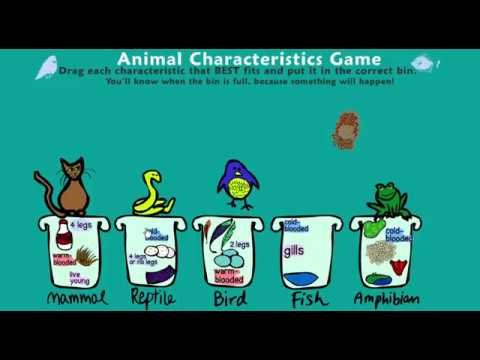
Animal Characteristics Game – Learn to classify animals! – Science Game
Final Thoughts
Game animals typically possess a natural wariness and instinct for survival. This makes them challenging to hunt and a prized target. Their behavior is greatly influenced by their environment.
A key element of ‘what is a characteristic of game animals’ is their ability to evade predators. These animals exhibit keen senses that make them difficult to approach. This survival instinct defines them.

