
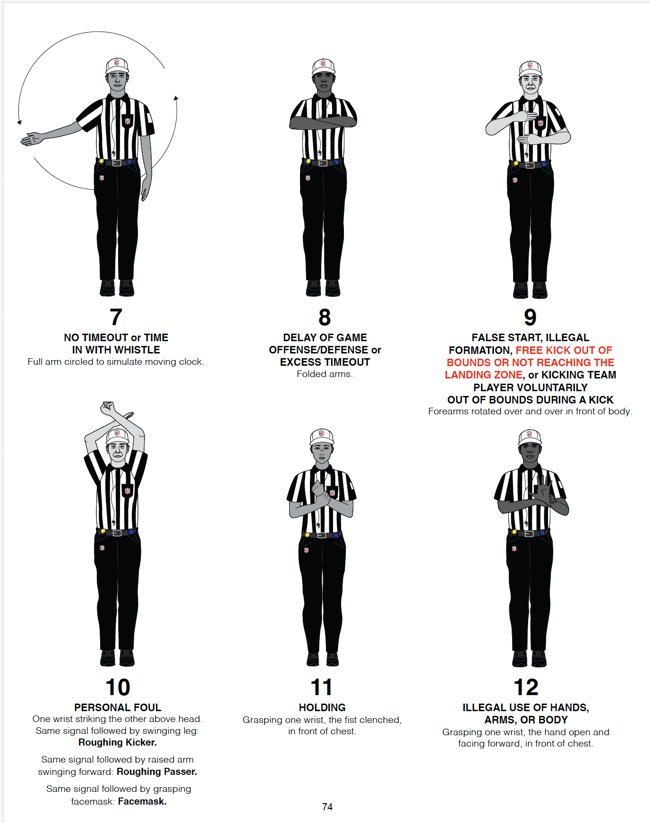
A defensive delay of game is a penalty in football where the defense causes an unnecessary stoppage of play to gain an advantage.
Have you ever watched a football game and wondered about those seemingly random penalties? One that frequently comes up is a “delay of game”, but what is a defensive delay of game specifically? It’s more nuanced than just running out the play clock.
The penalty occurs when the defensive team tries to manipulate the game clock. This can involve actions like intentionally knocking the ball away after a play has ended to slow things down.

What is a Defensive Delay of Game?
Okay, let’s talk about something you might see in a football game that can sometimes make people scratch their heads: a defensive delay of game penalty. It’s not as exciting as a touchdown, but it’s a really important rule to understand. Essentially, a defensive delay of game happens when the defense does something to unfairly slow down the game clock. It’s about playing fair and not trying to use sneaky tactics to gain an advantage by wasting time.
The Basics of Time Management in Football
Before we dive into the specifics of a defensive delay of game, it’s important to understand how the clock works in football. There are two main ways time is managed: the running clock and the stop clock. The game clock runs continuously during most of the play. The clock only stops for a few reasons, like when a player goes out of bounds, an incomplete pass happens, or when a penalty is called, or when a team call a timeout. Teams strategize how they use the clock by choosing specific plays and when to call timeouts. The time remaining is crucial, especially in the final few minutes of each half. Teams leading want to use up more of time, and the teams that are behind need to make it stop to have a chance to score.
What actions cause a Defensive Delay of Game Penalty?
So, what exactly does the defense do that results in this penalty? Here are the main culprits:
- Delaying the Snap: This is the most common reason. The defense cannot prevent the offense from snapping the ball once it’s ready. This could be things like a player not moving away after the huddle break, or intentionally bumping an offensive player to make it difficult to snap the ball quickly.
- Encroaching Before the Snap: While technically encroachment is a separate penalty, when it’s done repeatedly to force the snap to be reset, it can sometimes be seen as an attempt to delay the game. This happens when the defensive player crosses the line of scrimmage before the ball is snapped.
- Disrupting the Ball Placement: The offense puts the ball down where the previous play ended. The defense cannot touch, move, kick, or grab the ball once it’s been placed. Any action that interferes with the spot of the ball results in a defensive delay of game.
- Illegal Substitution Tactics: The defense must make substitutions promptly. If a defensive player intentionally takes too long coming off the field or uses excessive time to get onto the field, this can be seen as an attempt to delay the game. This doesn’t happen often, but it can occur if a team is trying to use up the game clock.
Examples to Make It Clear
- Imagine the offensive team is about to snap the ball. A defensive player is standing directly over the ball and refusing to move. This prevents the snap and leads to a delay of game penalty.
- The ball is placed on the ground after a play, and a defender comes up and kicks the ball away for fun so the ball has to be re-placed, which wastes time.
- A defensive player walks slowly off the field when they’re being subbed out, taking much more time than normal.
Why is this Penalty Important?
The defensive delay of game penalty is crucial for keeping games fair and fast-paced. Without this rule, the defense could use delaying tactics every time, and the game would be boring and not flow very well. The rule ensures that teams are given fair chances to either score points or defend against opponent, without interference from the other team by the time. This penalty, alongside other rules related to sportsmanship, also encourages teams to play with integrity.
How Does the Penalty Work?
So, what happens when a defensive delay of game is called? Here’s a breakdown:
- Yardage Penalty: Usually, the penalty is 5 yards. So, the offensive team gets to advance 5 yards further from where the ball was originally placed. This gives the offense a better chance to score.
- Automatic First Down: In some scenarios, if the penalty occurs on 4th down, the offense receives an automatic first down. This means the offense keeps possession and the series of plays continues.
- Clock Management: The clock may be reset or stopped, depending on when the infraction occurs.
Key Differences from Other Penalties
It’s important not to confuse defensive delay of game with other penalties:
- Offsides: Offsides occurs when a defensive player is across the line of scrimmage when the ball is snapped, and that results a 5 yard penalty, but it’s not considered a delay tactic.
- Encroachment: Encroachment is like offsides but only involves a player touching the other team before the snap. This penalty also results a 5 yard penalty, but it is not usually considered a delay.
- Neutral Zone Infraction: This penalty is when a player crosses the line of scrimmage and makes contact with an opposing player or cause the ball to move before the snap. This is a 5 yard penalty and can be called on both offense and defense but it’s not about delaying the game.
- Illegal Contact/Holding: These are about physical contact during the play and aren’t related to time management.
The Strategy Behind Avoiding a Defensive Delay of Game
Defensive coaches teach their players to avoid these penalties. Here’s why:
- Loss of Field Position: Giving up easy yards hurts the team. Those five yards can sometimes be the difference between a team being in field goal range or not.
- Risk of First Downs: On 4th down, this penalty can create a first down for the opposing team, which is like a gift for the other team.
- Momentum Shift: Penalties often shift the game’s momentum, which means that if you get this type of penalty it may lead to more points from the opposing team.
How do Officials Determine a Defensive Delay of Game?
Officials watch very closely to determine if a defensive player is intentionally delaying the game. It’s not always easy because sometimes players might just be a bit slower to move. However, officials have been trained to identify intentional attempts to slow down the game or give the offense difficulty.
- Observation: Referees are trained to watch players for suspicious behavior that would delay the game.
- Intent: Officials try to determine if the delay is accidental or if the player is doing it deliberately. If it’s intentional, a penalty will be called.
- Communication: Often, referees will communicate with each other before throwing a penalty, especially in borderline cases.
Defensive Delay of Game in Different Football Leagues
The rules regarding defensive delay of game are generally similar across various football leagues (NFL, college, high school), although there might be slight variations. For example, while the basic concepts are the same, the specifics might differ in how a referee interprets ‘intentional delay’. It’s also important to remember that rules evolve, which means it’s good practice to keep up with all the changes. However, the core principle remains constant: the defense must not purposely delay the start of a play.
Impact on the Game
A defensive delay of game penalty, though it might seem small, can really change a game. It impacts:
- Scoring Potential: The extra yards give the offense an advantage for scoring points.
- Clock Management: It alters the way teams manage time, which is especially true when it occurs at the end of the game.
- Game Flow: These kinds of penalties can slow down the game, particularly if there are many occurrences of this penalty.
Why is this important to fans?
Knowing the rules like this makes watching football more fun! Understanding these penalties helps you appreciate the strategy and effort that goes into every play. It gives the viewer a better idea of what is happening, which enhances your enjoyment of the game.
In short, the defensive delay of game penalty is a rule to keep the game fair and flowing. It ensures that teams play with integrity and don’t try to cheat the game clock. It’s a rule all football fans, and especially kids who are playing youth football, should know about!
Defensive delay of game? | NYJ-TEN 2024.02
Final Thoughts
Defensive delay of game occurs when the defense causes an unnecessary pause in play. This penalty often happens when players stall intentionally. For example, they might bat the ball out of bounds.
The primary aim is to strategically interrupt the offensive momentum. Teams might use this to regroup or slow a fast-paced attack. Understanding what is a defensive delay of game is key for fans. It helps you recognize when teams are using this tactic.

