
A fun game is an activity that provides enjoyment and engagement while often featuring challenges or goals to overcome.
Have you ever wondered what is a fun game, exactly? It seems like a simple question, but the answer can be surprisingly personal. What one person finds exciting, another might find boring. This makes defining it a little tricky.
Essentially, a game becomes fun when it sparks your interest and keeps you involved. This engagement often comes from having goals to achieve. Sometimes a feeling of competition makes it more appealing.

What is a Fun Game?
Okay, let’s talk about fun! What makes a game fun, anyway? It’s not always the same for everyone, is it? What makes your friend giggle might make you yawn. The thing is, fun is kind of like a secret ingredient – it’s different for everyone! But there are some common things that often make a game enjoyable. We’re going to explore these things together, so you can understand what makes a game awesome for you!
The Feeling of Fun
First, let’s think about how fun makes you feel. It’s not just about smiling or laughing (though those are great!). Fun can be the tingly feeling when you’re about to win, the proud moment after you’ve solved a tricky puzzle, or the warm fuzzy feeling when you’re playing together with friends. It’s that happy feeling that makes you want to play again!
Fun is Engaging
A fun game usually grabs your attention and doesn’t let go! It keeps you thinking, planning, and reacting. This engagement is very important. It means you’re not just sitting there, bored. You are part of the action. A game with good engagement will make you forget about the time! You might even feel a little sad when it’s over because you were having such a good time. Games achieve engagement in different ways.
- Challenges: A good game gives you goals to work towards. These can be small or big, but they make you think.
- Choice: Having choices makes you feel in control and helps you customize your experience.
- Interaction: Whether it’s with other players or with the game world, interaction makes a game feel more alive.
Fun is Rewarding
Another important thing about fun is the reward system. Rewards don’t always have to be a trophy or a high score. Sometimes, the reward is just the feeling of getting better at the game or learning something new. A good game gives you these little “wins” often enough so that you always feel like you’re progressing. Think about it: that feeling when you finally complete a level that was tough, or when you finally beat your friend in a race, those moments are the rewards and they are what we call fun.
Types of Fun in Games
Now, let’s think about the different kinds of fun a game can offer. It’s like ice cream – some people love chocolate, some like vanilla, some want both! Games are similar – they offer different kinds of enjoyable experiences.
Physical Fun
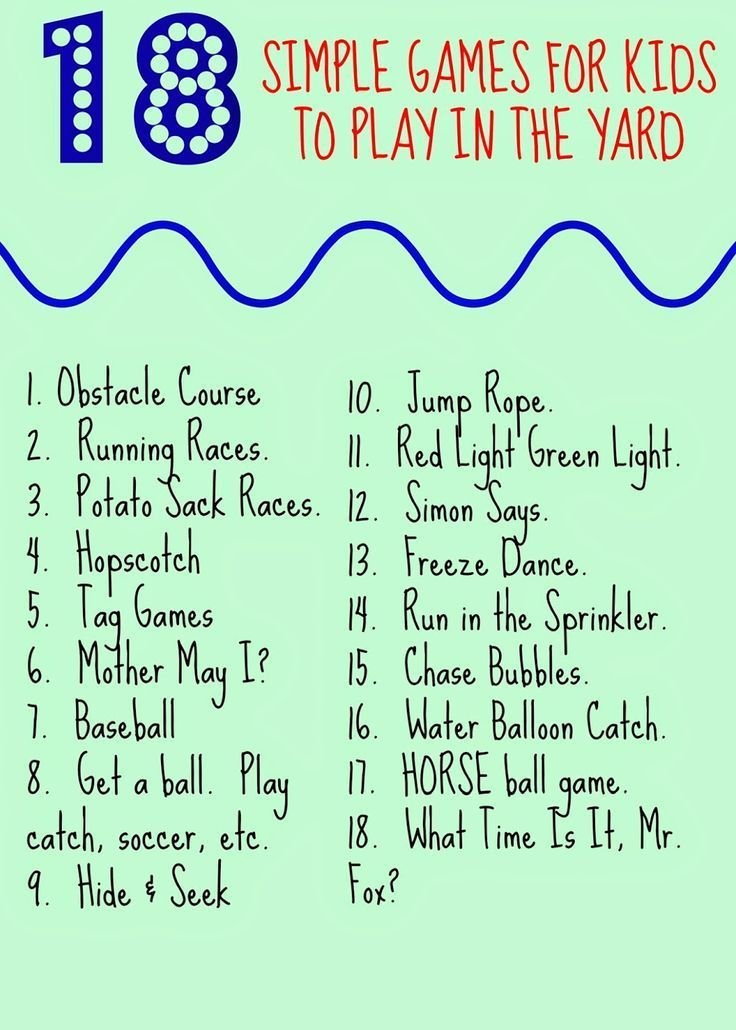
Some of the most basic kind of fun comes from moving your body. Think about games like tag, hide-and-seek, or even sports like soccer or basketball. These games make you run around, jump, and use your physical skills. It’s so much fun to get all that energy out! Physical games help you feel alive and get that heart pumping. They can also help with improving coordination and physical strength.
- Tag: A classic game where someone is “it” and chases others. It’s very fun and easy to understand!
- Hide-and-Seek: Finding a good hiding spot and then trying to be found is super exciting!
- Sports: From soccer to swimming, sports are great for having fun and moving around.
Mental Fun
Not all fun comes from running around. Sometimes, the most fun you can have is when you really have to use your brain! Games that make you think can be very enjoyable. They give you puzzles to solve and problems to figure out. These kinds of games make your brain work hard, and when you finally solve the problem, you feel great! These include strategy games, puzzles and riddles.
- Puzzles: From jigsaw puzzles to brain teasers, these games challenge your mind.
- Strategy Games: These games require careful planning and thinking ahead.
- Riddles: Solving tricky questions can be very rewarding and fun.
Social Fun
Playing with friends or family can make any game even more fun! Social games let you share experiences, laugh together, and sometimes even work as a team. It’s awesome to see the game from someone else’s perspective and to bond with people while having fun. Board games, card games, and video games that allow multiplayer experiences fall into this category. Social fun is about making memories together!
- Board Games: Classic board games bring people together around the table.
- Card Games: From simple matching games to more complex strategy games, cards offer many possibilities.
- Multiplayer Video Games: Playing with your friends online can be an amazing shared experience.
Creative Fun
Some games let you use your imagination and creativity! These games usually do not have a right or wrong answer. It is about thinking outside the box and seeing what you can create. Games like building with blocks, drawing, or acting out stories help you express yourself and bring your ideas to life. They encourage experimentation and innovation. These games often lead to new ideas and creative expression.
- Building Blocks: From simple towers to complex castles, blocks allow you to create anything your mind imagines.
- Drawing and Painting: Using colors and shapes to make your own art is a fantastic way to be creative.
- Storytelling: Creating a story with friends and acting it out can be very fun and imaginative.
What Makes a Game Not Fun?
Just as there are things that make a game fun, there are also things that can make a game not fun. It’s important to know what to avoid so you can find the best games for you.
Being Too Difficult
If a game is too hard, you might get frustrated and want to stop playing. It’s okay for games to have challenges, but those challenges should feel achievable. If you fail over and over again without feeling like you’re getting any better, it can take all the fun out of the experience. A well balanced game will challenge you, but it will also teach you as you go along and give you that sense of progression.
Being Too Easy
On the other hand, if a game is too easy, it might get boring quickly. You want to have something that makes you think and use your abilities, not just something that you can do without any effort at all. When there are no challenges, there’s no sense of accomplishment. Games should give you a reason to keep playing. If a game offers no challenge, it can quickly lose its appeal.
Having Unclear Rules
If the rules of a game are confusing, it’s hard to know what you’re supposed to do. This can lead to frustration and arguments when playing with others. Clear and simple rules are important for a game to be enjoyable. You should be able to understand what the goals are and how to achieve them. Games that are unclear can feel like a mess, and no one likes playing a mess.
Not Engaging
If a game doesn’t keep your attention, you’ll probably lose interest. This means the game isn’t engaging enough. Games need to have that special something that makes you want to keep playing. If a game doesn’t provide a sense of progress or excitement, it will become boring. This lack of engagement is one of the biggest reasons people stop playing a game.
Finding Your Fun
The best thing about games is that there are so many different kinds to choose from. What one person finds fun, another might not. That’s why it’s important to try out different things to find out what you like. What’s your favorite way to play? Do you enjoy solving puzzles? Or moving your body? Or do you love making up stories? The answers to these questions can help you discover what makes a game fun for you.
Don’t be afraid to try new games or revisit old games you used to play. Your tastes may change over time. The most important thing is to have fun! So, go explore, play, and most importantly, enjoy yourself!
Ultimately, a fun game is one that brings you joy, keeps you engaged, and provides a sense of accomplishment. Whether it’s a fast-paced action game or a calm and thoughtful puzzle, the best games are those that make you feel good and want to play again. Remember, the secret to finding fun is to explore and see what truly makes you happy!
What Makes Games FUN (Psychology in Gaming)
Final Thoughts
A fun game engages your mind and provides enjoyment. Good games offer challenges that are satisfying to overcome. Different types of play can create unique experiences, leading to personal fun.
Ultimately, what is a fun game? It is something that captivates you, whether through competition or creative exploration. The main keyword that matters is enjoyment, pure and simple.

