
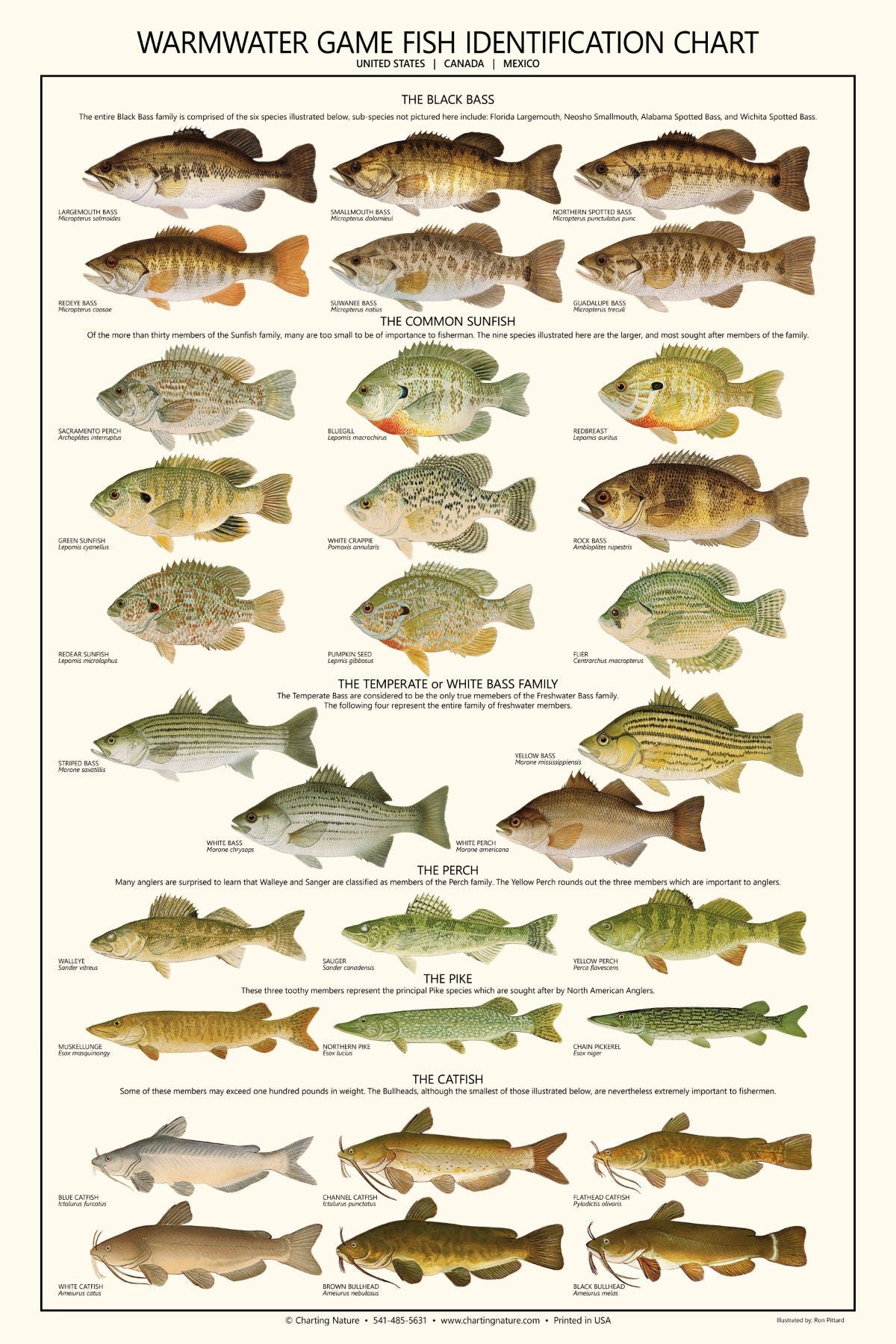
A game fish is a fish species that anglers pursue for sport, often characterized by its fighting ability, size, and desirability as a catch.
Ever wondered what makes some fish so much more exciting to catch than others? Well, the answer lies in understanding what is a game fish. It’s not just any fish that gets this designation.
These are species specifically targeted by anglers for the thrill of the chase and the challenge they present. Often, these fish possess desirable qualities like strong swimming, impressive size, or delicious meat. They make fishing a sport, rather than just a method of catching food.

What is a Game Fish?
Have you ever gone fishing and felt the thrill of a tug on your line, the excitement of reeling in a feisty fish? That feeling often comes from catching what we call a “game fish.” But what exactly makes a fish a “game fish” and not just, well, a regular fish? It’s more than just a label; it’s about the experience of catching them. Let’s dive into the wonderful world of game fish and learn all about them.
Defining a Game Fish
At its core, a game fish is a species of fish that people like to catch for sport. It’s not about catching them for food necessarily (though you might eat them sometimes!). It’s about the challenge and fun involved in angling. Think of it like a game where the fish is a worthy opponent, and you’re using your skills to try and catch it. It involves strategy, patience, and sometimes a little bit of luck. It’s a different experience than just throwing a net and catching whatever comes along. These fish often have features and behaviors that make them more exciting to catch.
Key Characteristics of a Game Fish
So, what are some of those features that make a fish a good game fish? Here are a few important things that make them stand out:
- Fight: Game fish typically put up a good fight when hooked. They may jump out of the water, swim quickly, and make you work hard to reel them in. This makes it more fun and challenging for the angler.
- Size and Weight: Many game fish grow to be a decent size, making the catch feel more rewarding. The bigger the fish, the bigger the challenge (and the story!).
- Behavior: Game fish often have unique behaviors, like feeding patterns, that make them more interesting to target. Anglers must learn where they live, what they eat, and how they act to catch them.
- Rarity and Conservation: Some game fish species are rarer or more sensitive to environmental changes. Managing these populations helps them remain around for others to enjoy. Therefore, some game fish have special protections through fishing regulations.
- Desirable Eating: While not always the primary reason for catching them, many game fish are also quite tasty. This adds another layer to the angling experience.
Popular Game Fish Species
There are tons of different game fish around the world! They live in freshwater lakes and rivers, saltwater oceans, and everywhere in between. Let’s look at some popular examples.
Freshwater Game Fish
Freshwater game fish are found in lakes, rivers, and ponds. Here are a few popular ones:
- Largemouth Bass: Known for their aggressive strikes and powerful fights. They are a favorite among many anglers. They are known for their large mouths, which they use to catch all sorts of prey.
- Trout: Including rainbow trout, brown trout, and brook trout. Trout are beautiful fish that live in cold, clear water and are tricky to catch. They are known for jumping out of the water.
- Muskellunge (Muskie): Often called “the fish of ten thousand casts,” muskies are large, elusive, and put up an incredible fight. They are known as a very challenging fish to catch.
- Walleye: These fish have large eyes that help them see in low light, making them a favorite for anglers who like to fish at dawn or dusk. They’re great for eating, too.
- Panfish: Species like bluegill and crappie are fun to catch and can be found in many bodies of water. They are a great choice for beginner anglers.
| Game Fish | Typical Habitats | Key Characteristics |
|---|---|---|
| Largemouth Bass | Lakes, ponds, slow-moving rivers | Aggressive fighter, big mouth |
| Trout | Cold, clear streams and lakes | Beautiful, acrobatic, various species |
| Muskellunge (Muskie) | Large lakes and rivers | Very large, elusive, powerful fight |
| Walleye | Lakes and rivers | Large eyes, good eating, often active in low light |
| Panfish (Bluegill, Crappie) | Ponds, lakes, slow-moving waters | Fun to catch, often plentiful, good for beginners |
Saltwater Game Fish
Saltwater game fish live in the oceans. Here are some exciting examples:
- Marlin: Known for their incredible size and leaping abilities, marlin are an ultimate challenge for anglers. They have a long, spear-like bill.
- Tuna: Fast, powerful, and known to make long runs, tuna provide an epic fishing experience. They are a popular target worldwide.
- Salmon: These amazing fish travel long distances from the ocean to their spawning rivers. They are a challenging and rewarding fish to catch.
- Redfish: These fish live in shallow coastal waters and are known for their reddish color. They’re a favorite for light tackle fishing.
- Snook: These fish are found in warm waters near the coast. They have a distinctive black line along their side. They give a great fight when hooked.
| Game Fish | Typical Habitats | Key Characteristics |
|---|---|---|
| Marlin | Open oceans | Large size, leaping abilities, long bill |
| Tuna | Open oceans | Fast, powerful, long runs |
| Salmon | Oceans, rivers (for spawning) | Migratory, strong fighters, delicious |
| Redfish | Shallow coastal waters | Reddish color, fun to catch on light tackle |
| Snook | Warm coastal waters | Black line on side, great fighters |
The Importance of Game Fish
Game fish are important for many reasons, not just for the fun they provide. They play a significant role in both the environment and the economy:
Ecological Role
Game fish can help keep the food chain in balance. They are often predators that help control the populations of smaller fish and other aquatic creatures. When these fish are healthy and doing well, it usually means their habitat is also healthy. They are important indicators of the overall ecosystem health. Also, some game fish like salmon are a crucial part of their environment because they are a food source for other animals. When they go back to their original birthplace to lay eggs and then die, they release important nutrients into the rivers and lakes.
Economic Impact
Fishing for game fish is a popular activity that supports many jobs and communities. Businesses such as bait shops, boat rentals, fishing guides, and restaurants all benefit from fishing. It also attracts tourists which can support local businesses and create more job opportunities. A lot of money is spent by anglers on licenses, gear, travel, and accommodation. This spending helps local economies.
Conservation and Management
Because game fish are important, it is crucial to take care of them. Many game fish are managed by fishing regulations. These regulations include things like size and bag limits (how many you are allowed to catch), and even closed seasons when you are not allowed to fish. This all helps to make sure that fish populations remain healthy and that people can keep fishing for many years. Organizations also help to protect game fish by restoring habitats that have been damaged. They also work to prevent pollution of the water where they live.
Ethical Angling Practices
If you decide to go after game fish, it is important to do so in a way that respects both the fish and the environment. Practicing good angling habits helps to make sure we can all enjoy fishing for many years.
Catch and Release
Catch and release is when you carefully remove a fish from the hook and put it back into the water. This practice is important for conservation. It allows the fish to continue to grow and reproduce. If you plan to catch and release, use barbless hooks, and gently handle the fish. Also, if you’re not sure if you’re going to eat the fish, you might want to consider releasing it.
Respecting Regulations
It is your responsibility to follow the fishing regulations in your area. These regulations are in place to protect fish populations and ensure that fishing is sustainable. This includes having the correct fishing license and understanding size limits, bag limits, and closed seasons. Always check your local regulations before you go fishing.
Minimize Impact
We should also strive to minimize the impact we have on the environment when fishing. This means avoiding litter, keeping noise levels down, and staying away from nesting areas for birds. Taking extra care of the area where you are fishing makes sure that it will be a healthy and enjoyable place for everyone for years to come.
The Joy of Game Fishing
Beyond all the details, what makes game fishing so special is the joy and connection it brings to so many. It’s about the excitement of the hunt, the challenge of the catch, and the satisfaction of being out in nature. It’s about creating memories with friends and family, and learning valuable skills that you can use for life.
Whether you are new to fishing or an experienced angler, the world of game fish has something to offer everyone. Remember to learn about the fish, respect the environment, and above all, enjoy the experience.
Understanding what defines a game fish is the first step in appreciating the wonderful world of angling. Game fish provide not just a fun challenge, but also play an important role in our ecosystems. By being responsible anglers and practicing ethical angling habits, we can help to ensure they will continue to thrive.
How to Play Go Fish
Final Thoughts
Essentially, a game fish is any species anglers pursue for sport. They possess characteristics like fighting ability and challenging capture methods. These fish are valued for their recreational and sporting value.
Therefore, what is a game fish? It’s a fish targeted by anglers primarily for the thrill of the chase and their angling qualities. These fish often contribute significantly to the angling industry.

