
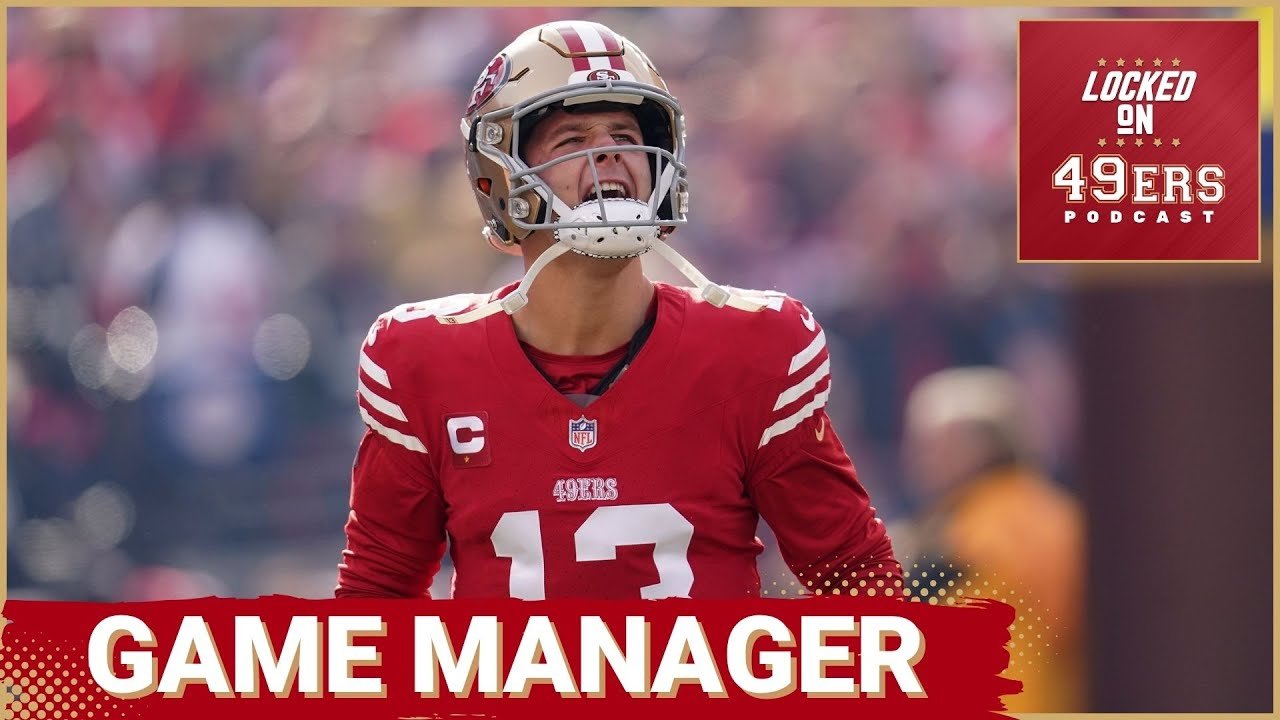
A game manager in football is a player who dictates the tempo of the match, making key passes and controlling the flow of play to achieve the team’s objectives.
Have you ever watched a football match and wondered how a team seems to effortlessly control the entire game? You might be asking yourself, what is a game manager in football? It’s not about scoring all the goals, instead, it’s about a specific player orchestrating everything.
This player is the brain on the field. They dictate the rhythm, making sure the team plays at the right speed, and are crucial to their team’s success. They are the key to winning strategy.

What is a Game Manager in Football?
Ever watched a football match and seen one player who just seems to control the whole game? They might not be scoring all the goals or making the flashiest tackles, but they’re incredibly important. That player might be what we call a “game manager.” So, what exactly is a game manager in football? It’s not a specific position on the field like a striker or a defender. Instead, it’s more about a player’s role and how they impact the flow and outcome of the match. Let’s dive into this crucial part of football.
The Core Responsibilities of a Game Manager
A game manager is like the conductor of an orchestra, but instead of instruments, they’re working with a team of footballers. Their main job is to make smart decisions on the field. They’re not just focused on scoring or defending; they’re focused on keeping the team organized, making sure the ball goes to the right places, and controlling the pace of the game.
Dictating the Tempo
One of the biggest things a game manager does is control the tempo. This means they decide how fast or slow the game moves. If their team needs to relax and control the ball, the game manager will slow things down. They’ll pass the ball calmly, keep possession, and not rush into attacking moves. On the other hand, if the team needs to pick up the pace and chase a goal, they will make quicker passes, move the ball more urgently and try to create opportunities quickly. This ability to speed up or slow down the game as needed is a key part of their role. They are very good at knowing when to take their time and when to push. They’re like the team’s internal clock.
Maintaining Possession
A good game manager is excellent at keeping the ball. They don’t lose possession easily. This is important because when their team has the ball, the other team can’t score. They are masters of making smart passes, often keeping the ball moving sideways or backwards rather than making a risky forward pass that could be intercepted. They understand that sometimes the best way to attack is by patiently building up a move and making sure their team is in the best possible position, rather than rushing into attacking moves that could give the ball away. It is all about smart choices and calculated moves.
Reading the Game
A game manager needs to have great “game reading” skills. This means they can understand what’s happening on the field, know where the gaps are, where their teammates are moving, and what the other team is trying to do. They see the big picture and make decisions based on this understanding. They see not only their teammates but also opposition’s player’s movements and they use it to their advantage. They can predict opponent’s movements and they make passes that are advantageous and fruitful for their team. This ability to read the game gives them an advantage in leading their team.
Key Attributes of an Effective Game Manager
What makes a player a good game manager? It’s a combination of different qualities that work together to help them control the game. It’s not just about having good feet but about having a good head as well.
Technical Skills
First, they need great technical abilities. This means they’re good at passing, controlling the ball, and making the right decisions under pressure. They may not be the fastest or strongest on the field, but their skills are solid and consistent. They use their skills to keep the ball moving and create advantages for their team.
Vision and Awareness
Second, they need excellent vision and awareness. They need to see what’s happening all over the field, not just in front of them. They should know where all their teammates and opponents are and predict where they’re going to be. This helps them make better decisions about where to pass and what moves to make. They see the possibilities before others and they use their understanding for their team’s benefit.
Composure and Decision Making
Third, composure and smart decision-making is important. Game managers need to stay calm, even when under pressure. They do not get flustered by the game situations, and they make smart decisions at important points. They are great at judging whether to keep the ball, pass it short, pass it long, move quickly, or slow down. They don’t rush and they choose their options carefully. They always choose what will benefit their team the most. This composure and decision-making skill is very important for their role as a game manager.
Leadership Qualities
Finally, they often have good leadership qualities. While they may not be the captain, they’re leaders on the field, guiding their teammates with their actions and their decisions. They tend to organize players into right positions. They talk to their teammates and guide them through the game. They make sure that all the players in the team are working together as one, and towards a common goal. They take responsibilities and never shy away from hard-work. This helps the team perform better and achieve more.
The Game Manager vs. Other Roles
It’s important to see how a game manager differs from other roles on the field. It’s not a position like a striker or a defender. A game manager is usually a midfielder, but it’s their specific approach to the game that makes them different. Let’s look at how they compare.
Game Manager vs. Goalscorer
A goalscorer, or a striker, is all about putting the ball in the net. Their focus is on scoring goals and taking risky moves that can lead to goals. In contrast, a game manager is more focused on controlling the flow of the game, creating opportunities and making sure the team plays well. While a striker needs to be creative and take chances to make goals, the game manager will prioritize calm, collected passes and smart decisions. Both roles are important, but they serve different purposes. Goalscorers are the ones who will make the final touch to put the ball in the net, but the game manager will make sure they get to have the opportunity.
Game Manager vs. Defensive Midfielder
A defensive midfielder’s main job is to protect the defense and win the ball back. They are great at tackling and stopping the opposing team’s attack. While the defensive midfielder also needs great game reading skills, their focus is more towards the defensive part. Game managers, however, focus on controlling the flow of the game and creating opportunities from the middle of the field, they also need to help on the defense, but they are more involved in making the attacking moves. Both positions are needed, but their focus and actions on the field are different.
Game Manager vs. Attacking Midfielder
An attacking midfielder is typically responsible for making creative passes and setting up attacking moves. They are focused on attacking and creating big moments. They are often quick to take chances and make risky moves that can lead to a goal. But a game manager focuses on controlling the pace and making smart passes, so their team has the most advantages. Both of them play in the midfield but they have different approaches and responsibilities. An attacking midfielder takes risks, while a game manager makes the game safer and in control.
Examples of Famous Game Managers
There have been many famous game managers in the world of football. These players have mastered the skill of controlling the game, leading their team to victories, and showing the importance of this role on the field.
Xavi Hernandez
Xavi, the Spanish football player who played as a central midfielder for Barcelona, is one of the most famous game managers of all time. He was known for his ability to control the tempo of the game. He was a master of passing, and he rarely gave the ball away. He was famous for his vision and his capability to find his teammates in the best positions. Xavi was the mastermind behind the great Barcelona and Spanish teams. He proved that controlling the game is as important as scoring goals. His mastery of the midfield was a joy to watch, and he is considered one of the greats to ever play.
Luka Modrić
Another great example of a game manager is Luka Modrić, the Croatian midfielder for Real Madrid. He can dictate the tempo of the game with his calm and composed approach. He possesses an amazing vision and can always find the best pass. He is also excellent at keeping the ball in control. Modrić’s ability to read the game and control the flow of play has helped Real Madrid win many important matches and titles. He is a key player in his team and an inspiration to other players who want to be a good game manager.
Andrea Pirlo
Andrea Pirlo, the Italian player who played as a midfielder for AC Milan, Juventus and Italy National team is also a great example of a game manager. Known for his exceptional passing accuracy, composure under pressure and ability to make the right decisions at crucial times. Pirlo is a master of creating opportunities and dictating the game. He was calm and always collected on the pitch. He didn’t make many mistakes, and was excellent at his job. He’s one of the best game managers to ever play.
Why Game Managers Are Important
So, why is this role so important? Well, a good game manager can make a team much more effective. They bring stability to the game, they can control the pace and help their team get the most out of every game. Here’s a closer look at their impact.
Team Stability
First, game managers help bring stability to a team. By controlling the flow of the game and keeping the ball, they make sure that the team doesn’t make unnecessary mistakes. They are like the solid core of the team, ensuring that things run smoothly. They don’t get flustered and they don’t let their team lose their cool either. This stability is very important for long term success.
Controlling the Match
Second, they help control the match. They dictate when to speed up the game and when to slow it down. This ability to set the pace is crucial for managing the game and outsmarting the opponents. They control the flow of the game and ensure that the team is playing to their own advantage. They are the conductors of the game and their leadership is important for success.
Creating Opportunities
Third, they are also important for creating opportunities. Their great vision and passing abilities means they can make passes to put their teammates in scoring positions. They may not score many goals themselves, but they make sure that other players on their team get the chance. They can read the game well and use their skills to make scoring opportunities for their team.
Becoming a Better Game Manager
If you want to become a better game manager, you need to focus on a few key things. It’s about improving your skills and your understanding of the game. It is not a role that only the professionals can play, all players can try to improve their skills as a game manager.
Improve Your Technical Skills
First, you need to constantly work on your technical skills. Make sure you can pass the ball accurately, control the ball well, and make the right decisions. Practice with the ball in training sessions and outside of it too. Work on your touch, passes and your vision. The more comfortable you are with the ball, the better you can control the game.
Develop Your Vision
Second, work on your game reading and vision. Watch professional games and pay close attention to where the players are, how the ball is moved, and what decisions are made. You can also watch yourself play and analyze your choices. Think about why you made a certain pass and what would have happened if you had made a different choice. This practice will help you understand what works the best and help you improve your vision.
Practice Composure
Third, practice staying calm and composed under pressure. The best game managers don’t lose their cool when under pressure. They take a deep breath, and they think carefully about their choices. They don’t get rushed into making quick mistakes. This is a very important skill to develop. You can do this by putting yourself in practice situations where you are under pressure and forcing yourself to slow down and think. This will help you develop this skill.
Communicate With Your Team
Fourth, work on your leadership qualities. This doesn’t mean you need to be shouting constantly on the field. But you do need to communicate well with your teammates, show them where to move, and help them understand the plan. Good communication makes your job easier and helps the team play better together.
In summary, a game manager is much more than just a midfielder; they are the brains of the team. They don’t need to score all the goals or make the flashiest plays, but their contribution is crucial to a team’s success. Understanding this role can help you watch football with a different perspective. You’ll start to notice how these players dictate the flow of the game, making sure their team is always in control. They are very important in the team because they make the game simpler and more effective.
Tom Brady was a game manager vs. the Giants – Max Kellerman | First Take
Final Thoughts
A game manager in football is a player who prioritizes control and minimizing risk. They dictate the tempo and make safe passes. This type of player often avoids flashy plays.
Their main goal is to ensure team stability rather than creating direct attacking opportunities. Their primary focus is to retain possession and maintain a structured playing approach. So, this style of play is what defines ‘what is a game manager in football’.

