
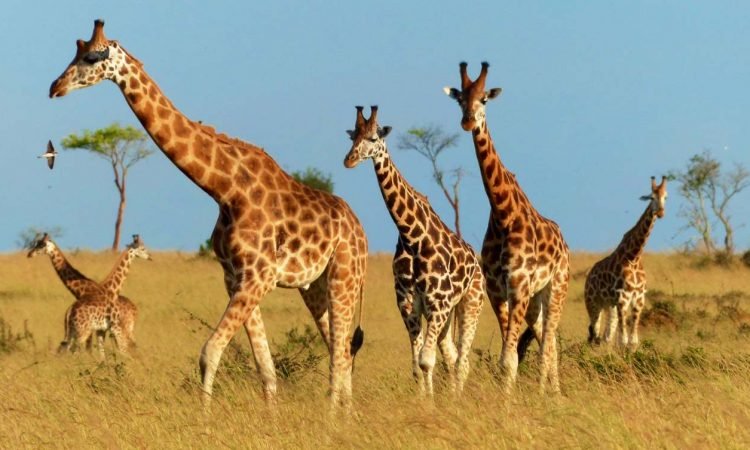
A game park is a designated area where wild animals live and are protected, often allowing visitors to observe them in their natural habitat.
Have you ever wondered, what is a game park exactly? It’s not just any place with animals. Game parks are special places, carefully managed to conserve wildlife.
These areas provide a safe haven for animals. People can visit and learn about the natural world. It is a great way to experience the beauty of nature.

What is a Game Park?
Ever wondered about those amazing places where animals roam free and you can see them in their natural habitat? Those are often called game parks! But what exactly is a game park? It’s more than just a zoo or a farm; it’s a special kind of protected area designed to safeguard wildlife and their environment. Let’s take a closer look at all the fascinating details that make game parks so important and exciting.
The Core Idea of a Game Park
At its heart, a game park is a large area of land where wild animals live and are protected. Unlike zoos where animals are kept in enclosures, in a game park, the animals are free to roam, hunt, and interact with their environment much like they would in the wild. The main goal of a game park is conservation – protecting animals and their habitats for future generations. They are sometimes called wildlife reserves, nature reserves, or even national parks, and each title has its own subtle differences, but generally all operate with conservation as the main principle.
Protecting Wildlife
One of the most important jobs of a game park is to protect the animals from threats. These threats can come from many places, such as:
- Poaching: Illegal hunting of animals for their meat, horns, or other body parts is a big problem. Game parks have rangers who patrol the area to stop poachers.
- Habitat Loss: As humans build more towns and farms, animals lose their homes. Game parks make sure that animals have a safe place to live.
- Human-Wildlife Conflict: Sometimes, animals wander out of protected areas and get into trouble with humans. Game parks help to manage these conflicts by providing enough space for animals so they don’t have to leave.
Preserving the Environment
Game parks also work hard to protect the natural environment. This includes making sure that the plants and trees are healthy, and that the water is clean. This benefits not only the animals but also helps maintain a healthy ecosystem. A healthy ecosystem means that all the living and non-living parts of a place work together in a balanced way.
Different Types of Game Parks
While the overall purpose of game parks remains the same, they can vary quite a bit depending on what is being protected and where the park is located. Here are a few types you might find:
National Parks
These are usually the biggest and most well-known game parks. National parks are protected by a country’s government, and they often have very strict rules to make sure the animals and environment are well looked after. Famous national parks include Yellowstone in the United States, Serengeti in Tanzania, and Kruger in South Africa.
Private Game Reserves
These are privately owned areas set aside for conservation. They often focus on providing a more exclusive and guided wildlife experience for visitors. They may have luxury lodging and unique activities that are not common in national parks.
Wildlife Sanctuaries
Wildlife sanctuaries are often smaller areas that protect specific types of animals or plants. For example, you might find a sanctuary dedicated to birds, elephants, or monkeys. The focus here is often on protecting endangered species.
The Animals You Might See
The animals you see in a game park depend on where it is located in the world. Some places are famous for big cats, while others have amazing birds or unique reptiles. Here are a few examples of the incredible animals you might encounter:
- In Africa: You could spot lions, elephants, giraffes, zebras, rhinos, and many different types of antelopes.
- In North America: Look out for bears, wolves, bison, elk, and eagles.
- In South America: You might find jaguars, monkeys, sloths, and colorful parrots.
- In Asia: You could see tigers, pandas, elephants, and various species of monkeys.
What You Can Do in a Game Park
Visiting a game park is an amazing adventure! There are lots of fun and educational things you can do. However, it’s very important to remember that you are a guest in the animals’ home and that respect for them and the environment is the key. Here are some of the popular activities that are available:
Game Drives
The most popular activity in most game parks is a game drive. You travel in a vehicle, usually a 4×4, through the park with a guide. The guide helps you spot animals and tells you interesting facts about them. It’s like a treasure hunt, but instead of finding gold, you find amazing animals in their natural homes. You must always stay in the vehicle and never approach the animals yourself. Your safety and the animal’s wellbeing are of the most importance.
Guided Walks
Some game parks offer guided walks where you can explore the park on foot with a trained ranger. This gives you a closer look at the smaller animals, plants, and tracks that you might miss from a vehicle. You’ll also learn about the local ecosystem and the interrelationships between different species. Always listen to your guide and stick to designated paths.
Bird Watching
If you love birds, game parks are paradise! Many parks have hundreds of different kinds of birds, from small colorful songbirds to massive eagles. Bring a pair of binoculars and a bird identification book to see how many species you can spot. Some parks even offer special bird-watching tours.
Photography
Game parks offer fantastic opportunities for taking beautiful photos of animals and landscapes. Remember to use a good camera and zoom lens so you can get amazing shots from a safe distance. Capturing those memories can be fun and an important way to share your experience and get other people interested in conservation.
Learning and Education
Many game parks have visitor centers or education programs where you can learn more about the animals, the environment, and the conservation efforts. This is a great way to understand the importance of these places and how we can help protect them. You can also ask your guides to point out details and answer questions for more educational value.
The Importance of Game Parks
Game parks play a vital role in the health of our planet. They offer many benefits, which are very important for our ecosystem, the animals and all people. Here are some of the most critical functions:
Conserving Biodiversity
Biodiversity refers to all the different kinds of living things in a place. Game parks protect habitats that support a diverse range of plants and animals. This is important because each species plays a role in keeping the ecosystem healthy. Protecting animals isn’t just about one species, but it’s about making sure there are enough species to make a healthy environment.
Supporting Local Communities
Game parks can also bring economic benefits to local communities. Tourism helps create jobs for people as guides, lodge staff, and in related businesses. It also raises awareness of conservation needs, so local people can see the benefits of having a protected area. In many cases, local communities are also the best protectors of the game park, as they understand the ecosystem and the animals best.
Scientific Research
Game parks are fantastic places for scientists to study animals and their environment. Researchers can gather important information that helps to understand animal behavior, track populations, and monitor the health of the ecosystem. This information then helps to develop better ways to protect animals and their habitats in the future. Every bit of data collected about the animals and ecosystem is important for the long-term success of the game park.
Education and Awareness
Visiting a game park is a great way to learn about nature and the importance of conservation. Seeing wild animals up close can inspire people to care more about protecting them. Game parks help raise awareness of the threats facing animals and what we can do to help. It also shows how people can interact with the environment in a responsible manner.
Challenges Game Parks Face
While game parks are incredibly important, they face many challenges. Overcoming these difficulties requires support from governments, organizations, and individuals all over the world.
Poaching and Illegal Hunting
Poaching remains a serious threat to many animals, especially those with valuable parts, like elephants for their ivory and rhinos for their horns. Game parks must constantly work to improve their anti-poaching efforts and find new ways to protect these vulnerable creatures. This problem requires constant attention and innovative solutions.
Human Encroachment
As human populations grow, there is more pressure on game park land. This can lead to people trying to farm inside the parks or taking resources from the area, which can damage the delicate balance of the ecosystem and increase conflict between humans and animals. This means that the park management has to have active strategies in place to prevent this.
Climate Change
Climate change is causing big changes in weather patterns, making it harder for animals to find food and water. This can also lead to increased conflict between animals as they struggle to survive. Game parks must adapt and find ways to mitigate the impacts of climate change to continue protecting animals. This also includes monitoring changes in vegetation and animal population and movements.
Funding
Running a game park is expensive. It takes a lot of money to pay rangers, maintain vehicles, conduct research, and educate the public. Many parks rely on donations and tourism to keep going. Without the funding, the game parks can’t function and protect the animals. Supporting these parks financially is crucial for their survival.
How You Can Help Game Parks
Everyone can play a role in helping to protect game parks and the animals that live there. Here are a few ways you can make a difference:
- Visit a Game Park: By visiting a game park, you support their conservation efforts through tourism. Make sure you book with responsible tourism operators who are working ethically and with conservation in mind.
- Donate to Conservation Organizations: Many charities and organizations work to protect animals and their habitats in game parks. You can support their work by making a donation.
- Spread Awareness: Talk to your friends and family about the importance of game parks and why we need to protect them. The more people who know about these areas, the more people will care about them.
- Be a Responsible Tourist: When you visit a game park, make sure to follow all the rules, stay on marked paths, and don’t disturb the animals. Remember, you are a guest in their home.
- Support Sustainable Practices: In your everyday life you can make choices that help protect the environment, such as reducing waste, using less water, and consuming less energy. This helps to reduce the overall pressure on the planet and the animal habitats.
Game parks are special places that play a vital part in conserving our planet’s amazing wildlife. They are havens for animals, places of scientific discovery, and educational centers for people. They help to balance the ecosystem and make sure that future generations have the opportunity to admire the world’s most interesting animals in their natural habitats. By understanding what game parks are and how they work, we can all participate in their protection. When we work together, we can create a better, safer world for wildlife and for our planet.
Learn to Play: PARKS
Final Thoughts
A game park is a protected area where animals live freely. People visit these parks to see wildlife in their natural habitat. These parks often have diverse ecosystems and various species.
The primary goal of a game park is conservation. They aim to safeguard wildlife populations and their environment. A game park plays a vital role in research and education as well.
Ultimately, what is a game park? It’s a place where we can appreciate the beauty of nature and support animal protection. These areas offer unique experiences and important learning opportunities.

