
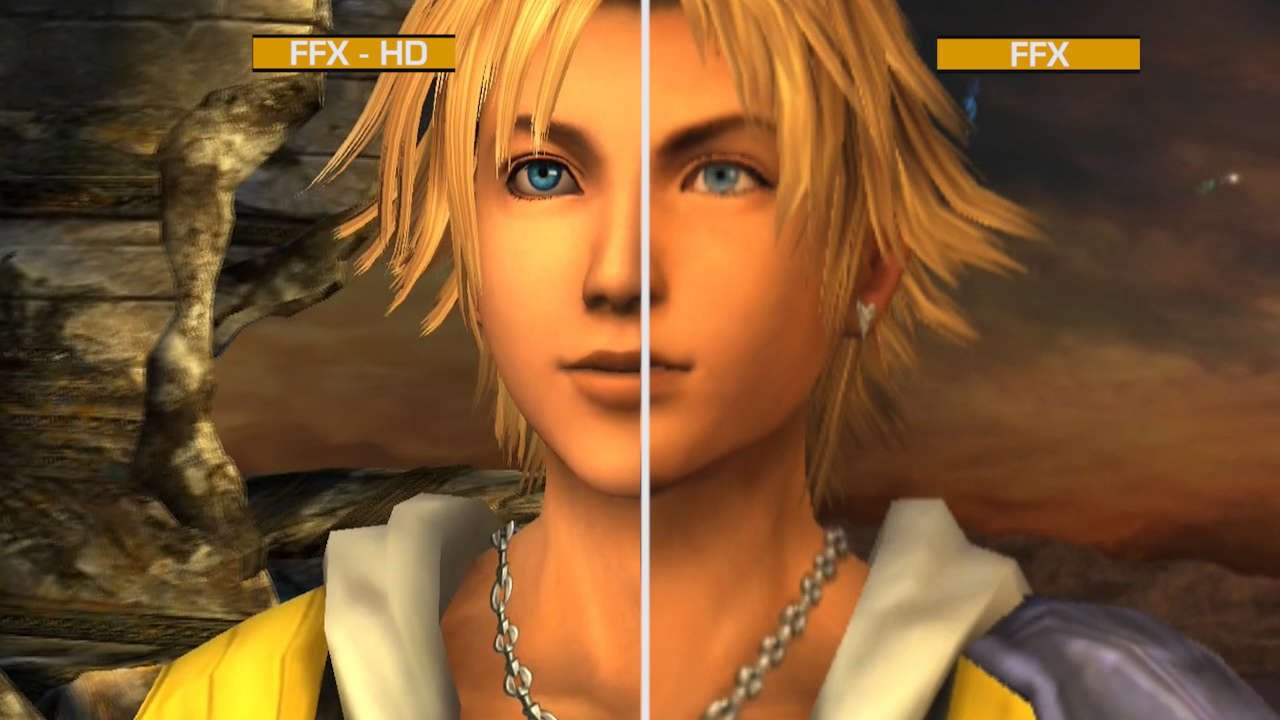
A remastered game is an enhanced version of an older video game, typically with improved graphics, sound, and sometimes minor gameplay tweaks.
Ever wondered about those older games making a comeback? They aren’t always the same as you remember. This often sparks the question, what is a remastered game? It means developers have gone back to an existing game, and updated it for a new audience.
Think of it as a fresh coat of paint, where the core game stays intact, but with visual upgrades, perhaps better audio and even some control adjustments. These changes help a classic title feel more at home on modern gaming setups.

What is a Remastered Game?
Have you ever played a really old video game and thought, “Wow, this was so much fun, but it looks kind of… blocky?” That’s where remastered games come in! Think of it like taking an old, favorite toy and giving it a super cool makeover. A remastered game isn’t a brand new game, but it’s an older one that’s been updated to look and play much better on modern TVs and gaming systems.
The Basics of Remastering
So, what exactly goes into making a game remastered? It’s more than just making things look a little sharper. Remastering is a process where game developers go back to an original game, and instead of creating something completely new, they work to make it more appealing to current players. They use newer tools and techniques to bring the game up to modern standards. Let’s break down some of the key things that often get changed in a remastered game:
Visual Upgrades
One of the most noticeable parts of a remastered game is the improved visuals. Here are some of the ways they make the graphics look better:
- Increased Resolution: Think of resolution like the number of tiny dots that make up the image on your screen. Higher resolution means more dots, and this makes the picture much clearer and sharper. Old games often had very low resolution, making them look blurry on newer TVs.
- Improved Textures: Textures are the surfaces of objects in the game. Imagine a wooden table in an old game; it might look like a flat, brown square. A remastered version would have the table look like real wood with grains and different shades of color.
- Better Lighting and Shadows: These changes make the game world look more realistic. The way light falls on objects and the shadows they cast can make a huge difference.
- Smoother Animations: Character movements in older games can sometimes look stiff or jerky. In a remaster, those animations might be made smoother and more natural.
Audio Improvements
It’s not just about what you see, it’s also about what you hear! Remastered games often get a significant audio upgrade:
- Enhanced Sound Effects: Things like explosions, character voices, and background noises are often re-recorded or updated to be clearer and more impactful.
- Improved Music Quality: The music in older games can sometimes sound a little tinny. A remaster will often give the music a richer and more vibrant sound.
Gameplay Adjustments
Sometimes, developers also make small tweaks to the gameplay itself. This doesn’t mean the game is entirely different, but rather things might be smoother and more responsive:
- Bug Fixes: Older games sometimes had glitches or issues that are fixed in the remastered version.
- Improved Controls: Control schemes might be updated to work better with modern controllers.
- Small Tweaks and Enhancements: Some games have quality of life improvements, like the ability to skip cut scenes or a more user-friendly interface.
Why Remaster Instead of Remake?
You might be wondering, why go through the work of remastering a game when you could just make a whole new one? Well, there’s a big difference between a remaster and a remake.
Remaster vs. Remake
The main difference is that a remaster keeps the original game’s design, core gameplay, and structure. It’s about making the existing game shine brighter. A remake, on the other hand, is essentially building the game from the ground up. It might have the same story and characters, but the gameplay, graphics, and even the level designs can be very different.
Remastering Benefits
- Nostalgia: Players who loved the original game get to experience it again with fresh visuals, audio, and often other improvements.
- Preservation: It keeps older games playable on modern consoles, so people can experience games from the past.
- Cost-Effective: It is typically less expensive to remaster a game than to completely remake it.
- Reach New Audiences: Remasters help introduce classic games to a new generation of players who may not have been around when they originally came out.
Examples of Remastered Games
Let’s look at some examples to really see what we’re talking about. You might even recognize some of these titles:
Classic Games, New Look
- Crash Bandicoot N. Sane Trilogy: This game took the original PlayStation Crash games and completely redid the graphics, making them look incredible.
- Spyro Reignited Trilogy: Similar to Crash, this remastered all three original Spyro games with completely new visuals while keeping the original gameplay.
- The Legend of Zelda: The Wind Waker HD: The Gamecube classic got a fresh coat of paint on the Wii U, featuring better resolution and sharper textures.
- Halo: The Master Chief Collection: This collection features several remastered Halo games, updated to look great on newer systems.
- Mass Effect Legendary Edition: It remastered the original trilogy with improved graphics, textures, and also included all DLCs of the original trilogy.
These are just a few examples, but there are many other remastered games out there. They’re a great way to revisit your favorite childhood games or to experience some of the classics for the first time.
What Makes a Good Remaster?
Not all remasters are created equal. Some really do a fantastic job of making an old game feel new, while others might not be so great. Here’s what makes a good remaster:
Key Factors in a Successful Remaster
- Respect for the Original: A good remaster stays true to what made the original game great. It doesn’t try to change things too much.
- Significant Improvements: The changes should be noticeable and make a real difference in the overall experience.
- Smooth Performance: The game should run well without glitches or slowdowns on the new hardware.
- Care and Attention to Detail: The developers should put effort into making the game look and sound its best.
- Listening to Fans: Sometimes, fan feedback is used to make the remaster the best it can be.
The Future of Remastering
As technology continues to change, the practice of remastering games will probably keep going strong. New consoles and TVs are always pushing the limits of graphics and sound quality, which means that older games will always benefit from this process. It’s a great way for new gamers to experience video game history, while also giving old players a chance to remember the days when those classic games were first released.
So, the next time you see a remastered game, you’ll know exactly what it means. It’s a trip back in time, but with a modern feel that can be enjoyed by all. Whether you are experiencing a game for the first time or you are replaying a favorite, remasters are a significant part of the video game world. they allow us to remember and celebrate how video games have evolved and still provide entertainment.
What's the Difference Between a Remake & a Remaster?
Final Thoughts
A remastered game is essentially an enhanced version of an older title. Developers update the visuals with higher resolutions and improved textures. They may also tweak the audio and sometimes include minor gameplay changes.
These updates aim to make the older game feel better on modern systems. The core gameplay remains largely the same though. This is ultimately what is a remastered game.

