
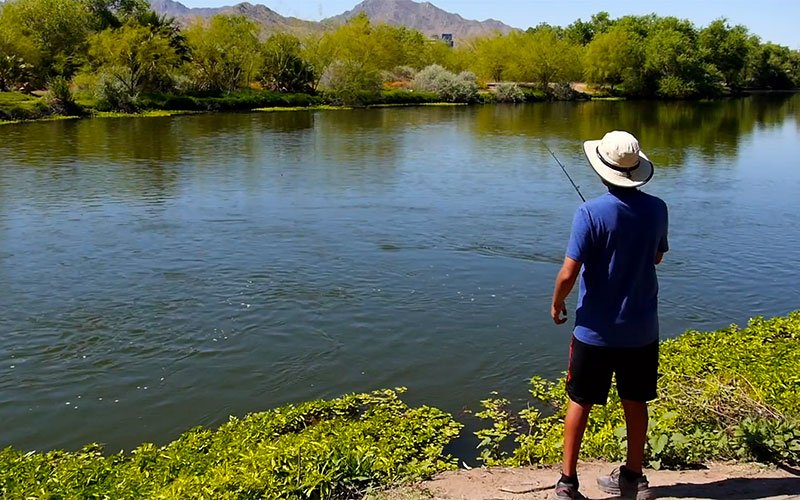
Following the rules of game fishing ensures fair play, promotes conservation, and maintains the integrity of the sport.
Ever wondered about the true purpose behind those specific guidelines in game fishing? It’s more than just regulations; it shapes the entire experience. We often ask ourselves, what is accomplished by following the rules of game fishing?
These rules create a level playing field for all anglers, preventing unfair advantages. They also actively support healthy fish populations and sustainable practices.
Adhering to these guidelines protects the sport’s heritage and ensures it remains enjoyable for everyone. Therefore, understanding them goes a long way.

What is Accomplished by Following the Rules of Game Fishing
Game fishing, unlike just catching any fish, has a special set of rules. These rules aren’t just there to make things harder. They are there for very good reasons. When anglers follow these rules, they are accomplishing many important things that help protect the fish and make the sport better for everyone. Let’s dive deeper into what these rules help to achieve.
Protecting Fish Populations
One of the biggest reasons for game fishing rules is to protect the fish. We don’t want to catch all the fish, right? We want them to be around for a long time, for our children and their children to enjoy. Rules help make sure there are enough fish for everyone, now and in the future.
Catch and Release Practices
Many game fishing rules are all about “catch and release.” This means that after you catch a fish, you carefully take the hook out and let it go back into the water. This gives the fish a chance to grow bigger and have babies. This is very important for keeping the fish population healthy. Imagine if everyone kept every fish they caught; there wouldn’t be many fish left!
- Proper Handling: Catch and release rules also teach anglers how to handle fish carefully so they don’t get hurt. This might mean using special nets or wet hands to avoid removing their protective slime.
- Hook Types: Specific hook types, like circle hooks, are sometimes required. These hooks are designed to be less harmful to the fish and to make it easier to take the hook out.
- Quick Release: The rules often ask for a quick release. That means not keeping the fish out of the water for too long, so they can get back to swimming as soon as possible.
Ensuring Fair Competition
Game fishing isn’t just about catching fish; it’s also about the challenge and the sport of it. Rules make sure everyone is playing on the same field, so the competition is fair. This is just like in sports. If someone uses a different kind of bat or has a faster car, it wouldn’t be fair, right? Rules in game fishing are the same – they make things fair for everyone.
Tackle and Gear Restrictions
Game fishing rules often have limits on the type of fishing tackle you can use. This might include the strength of the fishing line, the size of the hooks, and what kind of bait you use. These rules make sure no one has an unfair advantage.
- Line Strength Limits: Stronger lines can make it easier to pull in a fish, even when it’s fighting hard. This might not be as much fun, and it could also hurt the fish more, so rules often limit how strong the line can be.
- Bait Restrictions: Sometimes, there are rules about what you can use for bait, like not using live bait or using a single hook. This is to ensure it’s not too easy to hook the fish and give them a fighting chance.
- Rod and Reel Limits: There might even be rules about what type of rod and reel you can use, to make sure people aren’t using extremely strong gear.
Equal Opportunity
These rules make the experience enjoyable for everyone. They make sure that skill and knowledge are more important than just having the fanciest equipment. By giving everyone the same equipment standards, game fishing becomes about your skill at angling.
Promoting Responsible Angling Practices
Following game fishing rules isn’t just about protecting fish and making it fair; it also promotes a way of fishing that’s good for the environment and teaches anglers to respect nature. It encourages a culture of stewardship.
Respect for the Environment
These rules encourage anglers to take care of the natural places where they fish. Things like not littering, being careful not to damage the banks of rivers or lakes, and even being respectful to other wildlife in the area are all part of responsible angling. This means keeping your trash in bags, not starting fires when there is a risk of fire, and being careful around plants and animals.
Ethical Fishing Behavior
When you follow game fishing rules, you are also learning to be ethical and kind. It’s about thinking about more than just catching a fish. It’s about caring for the fish, the environment, and your fellow anglers. It’s about taking part in a sport that’s responsible and respectful of nature.
For instance, using sustainable practices like avoiding areas with spawning fish or not using more lines than allowed keeps the ecosystem healthy.
Learning and Growing as an Angler
Following game fishing rules makes you a better angler. You learn more about fish, their habits, and how to fish in a way that respects them. You learn skills that go beyond just catching fish; they help you understand nature better. It teaches patience, observation and respect.
Supporting Conservation Efforts
Many game fishing organizations also use the money from licenses and permits to help protect fish and their habitats. By following the rules, you’re indirectly contributing to this process. Your actions play an essential role in maintaining healthy fish populations. When you pay for a license, that money is often used to take care of the environment and put fish back in the water.
Funding Research and Habitat Restoration
Some of the money from fishing licenses is used to study fish populations and to learn more about how to protect them. It’s also used to clean up rivers and lakes and to improve places where fish live. For instance, organizations might use money from licensing fees to plant aquatic plants or to improve spawning areas for fish. This helps keep our waterways healthy and flourishing.
Promoting Sustainable Tourism
Game fishing, when done right, can bring people to an area and help the local economy. When people come to fish, they buy gas, food, and hotel rooms. Following the rules ensures that this tourism is sustainable and doesn’t harm the environment or the fish. When fishing is done well, it is good for the fish and for the people who live there.
Collaboration and Community
Following game fishing rules promotes a sense of community among anglers. When everyone is following the same rules, you have a shared responsibility. Game fishing rules also bring people together and builds a network of anglers who value environmental responsibility.
By joining game fishing clubs and organizations, anglers can participate in discussions and activities to further protect fish populations. This involvement creates a sense of shared purpose and environmental consciousness.
Specific Examples of Rules and Their Impacts
Let’s take a look at some common game fishing rules and why they are important:
Size and Bag Limits
Many game fishing rules have size limits, which means you are only allowed to keep fish that are within a certain length range. There are also “bag limits,” which mean you can only keep a certain number of fish. This helps to make sure that smaller fish that have not had the chance to have babies can keep growing and that there are enough fish for future fishing.
- Minimum Size Limits: Fish below this size are released to grow. For example, some regions might require bass to be a minimum of 12 inches long to keep.
- Maximum Size Limits: Fish above this size might be important for breeding and are also released. These “trophy fish” play vital roles in the fish population.
- Bag Limits: Limiting how many fish you can take per day keeps pressure from getting too high on any single fish population.
Fishing Seasons
Fishing seasons are often set to protect fish during their spawning times. When fish are spawning, they are very vulnerable, and it is important to leave them alone so they can have their babies. This ensures future generations of fish.
- Spawning Periods: Many fish species are most vulnerable when they are breeding. Restrictions during spawning make sure that fish populations can reproduce effectively.
- Protecting Young Fish: These rules also protect young fish as they grow by giving them a window to develop without fishing pressure
Gear Restrictions
Specific types of gear are sometimes banned to help protect the fish. For example, some areas don’t allow barbed hooks, because they can injure a fish more than a barbless hook. Using barbless hooks is better for catch and release.
- Barbless Hooks: These hooks cause less damage, making it easier to release the fish safely.
- Certain Bait Restrictions: Some baits might be harmful to the environment, or be too effective at attracting fish, so they are sometimes banned.
The Ripple Effect of Following Rules
When you follow the rules of game fishing, you are not just following rules, you are becoming an important part of a bigger picture. You are helping to keep the sport of fishing healthy, and you are helping to protect the environment. These rules have a ripple effect, benefiting not just the angler, but the entire ecosystem.
Preservation for Future Generations
By engaging in sustainable practices, we create a legacy of healthy fish populations. Following the rules of game fishing ensures that future generations can experience the joy and wonder of fishing.
Inspiring Responsible Behavior
When anglers follow the rules, they set a positive example for others. This leads to a wider culture of environmental stewardship. By seeing anglers being responsible, others are more likely to follow suit.
Positive Impact on Local Communities
Sustainable fishing helps local communities by promoting tourism and protecting natural resources. When local resources are used wisely, everybody benefits from a more responsible and robust community.
In summary, following the rules of game fishing is about much more than just catching fish. It is about respecting nature, acting responsibly, and making sure that everyone can enjoy the sport for many years to come. It is about becoming a guardian of our shared natural spaces and contributing to a balanced ecosystem.
Game Fishing – What You Need To Know To Start Fishing
Final Thoughts
Following game fishing regulations preserves fish populations for the future. Anglers demonstrate respect for aquatic ecosystems. Ethical angling ensures fair opportunities for everyone. What is accomplished by following the rules of game fishing is the sustainable management of resources.
These rules promote responsible behavior. They also prevent overfishing and habitat damage. Adhering to guidelines is a must for every game fisherman.

