
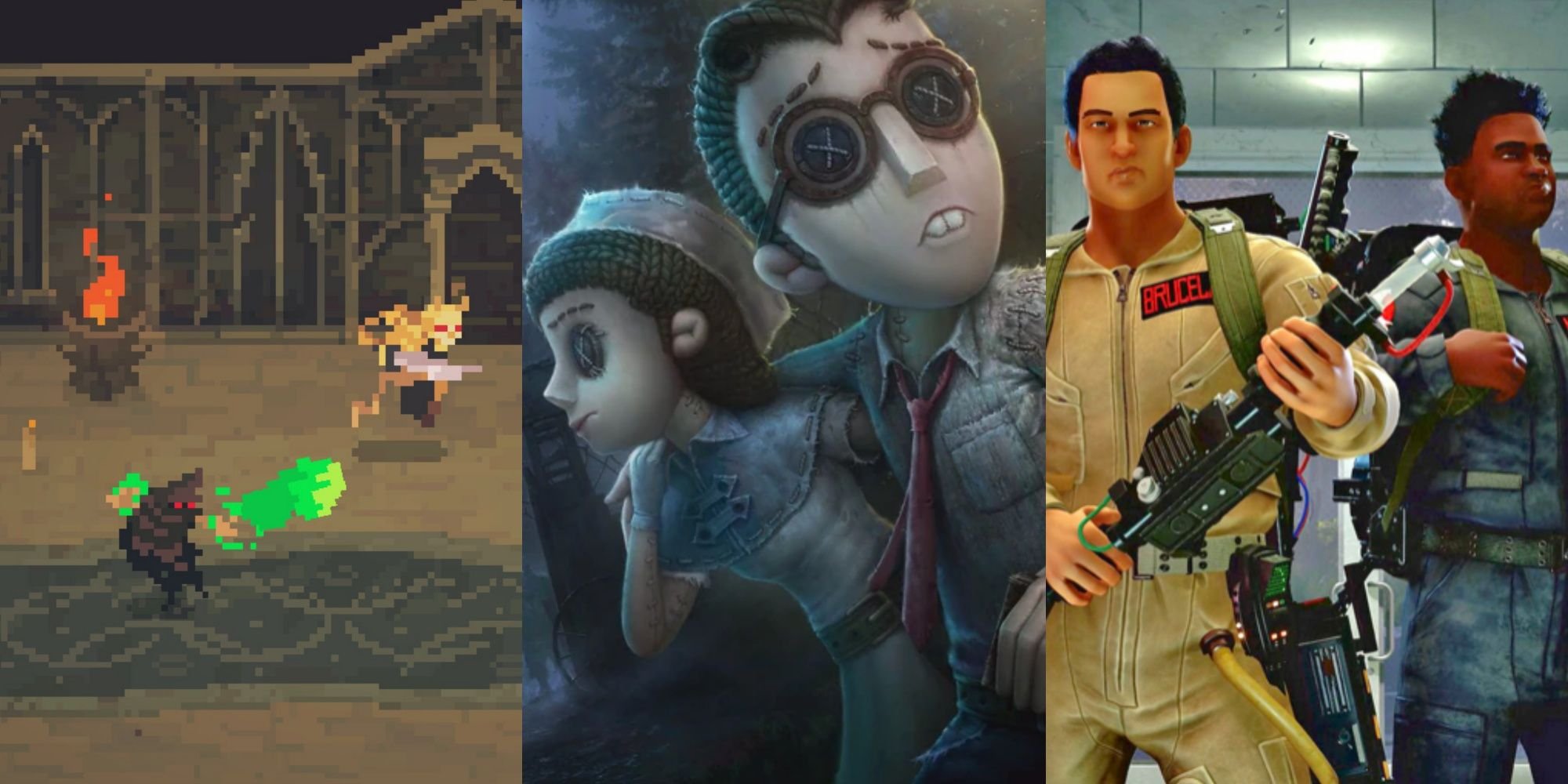
An asymmetrical game features players with significantly different abilities, goals, or resources, leading to unique gameplay experiences for each participant.
Have you ever played a game where everyone felt completely different? Imagine one person building a massive base while another sneaks around as a nimble hunter. That’s the heart of what is an asymmetrical game.
These games break away from the standard, balanced setups. Instead, they provide diverse roles and powers, creating a fresh dynamic each time you play. This variance can drastically change strategies and player engagement.

What is an Asymmetrical Game?
Imagine playing a game where everyone has different powers and goals. That’s the basic idea behind an asymmetrical game! Instead of all players starting with the same abilities and working towards the same victory, asymmetrical games shake things up. They give each player or team unique roles, resources, and ways to win. It’s like a team of superheroes where each hero has their own special skill – some might fly, some might be super strong, and others might be invisible. These differences make the game more interesting and strategic.
The Core of Asymmetrical Gameplay
At its heart, asymmetrical gameplay is about variation. It’s the opposite of symmetrical games, where everyone begins on equal footing. In a symmetrical game, everyone shares the same rules, resources, and potential actions. Think of a chess game where both players have the same set of pieces and follow the same rules. In contrast, an asymmetrical game introduces disparities that directly impact how players approach the game. Let’s dive deeper into why this approach makes game so unique.
Different Roles and Objectives
One of the most distinguishing features of an asymmetrical game is the allocation of distinct roles to each player or team. These roles aren’t just minor differences; they often dramatically influence the gameplay. For instance, one player might control a powerful monster while others play as a team of survivors, or one player might be a detective trying to solve a mystery while others are hidden criminals. These different roles bring varied objectives too, thus each player works towards a unique goal rather than sharing a common one. Imagine this scenario:
- Monster vs. Survivors: The monster player aims to eliminate all the survivors, while the survivors want to escape or defeat the monster.
- Detective vs. Criminals: The detective needs to find the criminals, while criminals seek to evade detection and complete their mission.
These role variations and goals are very important for making the asymmetrical game feel interesting and replayable. This variety also creates dynamic strategies and gameplay.
Unique Abilities and Resources
Beyond differing roles, asymmetrical games also grant players unique abilities and resources. These are often tied to their role in the game and are essential for accomplishing their specific objectives. One player might have incredible speed, while another can set traps, and yet another possesses powerful long-range attacks. Resources might also differ; one player might have many weak units, while another controls a few powerful ones. These differences mean each player must learn how to effectively use their individual abilities and resources to succeed.
Strategic Depth and Player Interaction
Asymmetrical games often create more engaging strategic depths because players must not only understand their own role but also understand how the other roles operate. For example, a survivor in a monster vs. survivors game must understand how the monster moves and attacks to avoid it. This understanding is important for successful player interaction and effective teamwork. The different abilities and goals force the players to interact in meaningful ways. This leads to more strategic thinking as players must anticipate their opponent’s moves and change their own strategies accordingly. They require good communication and coordination for success, making the games more interesting for players.
Examples of Asymmetrical Games
Asymmetrical games appear in various forms, from board games to video games, each offering a unique twist on this gameplay style. Let’s look at some real-world examples to clarify how these principles work.
Board Games
Many board games use asymmetrical gameplay to create a deeper experience.
- Root: In Root, each faction has distinct victory conditions, units, and game mechanics. The Woodland Alliance is about guerrilla warfare, while the Marquise de Cat is all about building and expansion.
- Gloomhaven: A cooperative dungeon-crawler, each player controls a character with a unique class, skill deck, and progression path, leading to unique playstyles.
- Mansions of Madness: One player takes on the role of the “Keeper,” controlling monsters and the game’s narrative. The others play as investigators, trying to solve a mystery and avoid becoming dinner.
Video Games
The video game industry has thoroughly embraced asymmetrical gameplay across various genres.
- Dead by Daylight: In this game, one player plays as a killer while four other players play as survivors. The killer tries to hunt down and sacrifice the survivors, who must repair generators to escape.
- Evolve: Here, four players control hunters who work together to take down a monster controlled by a fifth player. Both sides have unique abilities and game styles.
- Left 4 Dead: Though primarily cooperative, the “Versus” mode allows players to take control of special infected creatures, each with its unique abilities, to challenge the survivor team.
- Friday the 13th: The Game: Seven players control camp counselors trying to escape from Jason Voorhees, played by the eighth player. Jason has different powers for hunting the counselors, adding an asymmetrical edge to the horror gameplay.
Other Forms of Asymmetrical Gaming
Asymmetrical game designs can be found in more places than just the big board and video game titles. For example, many popular mobile and indie games use asymmetrical elements.
- Mobile Games: Games like “Among Us” feature crew members who are working to complete tasks and an impostor who is secretly sabotaging the game.
- Indie Games: Indie developers often create unique asymmetrical experiences, sometimes focusing on character-driven roles or unique objectives that set their games apart.
Why Asymmetrical Games Are Popular
The popularity of asymmetrical games comes from their ability to offer different game experiences and strategic challenges that aren’t present in other game styles. Here are some reasons for their popularity:
Enhanced Replayability
The variety in roles and strategies gives asymmetrical games a very high replayability factor. Each time you play, you might have a completely different role, which forces you to approach the game in a new way. This element keeps the game fresh and exciting and invites players to return for more.
Unique Strategic Challenges
Asymmetrical games demand a unique style of strategic thinking. Players must understand not only their own roles but also their opponents’ roles. This leads to dynamic strategies and gameplays that require players to be flexible, change their plans and adapt. This strategic approach creates deeper engagement and a more rewarding experience for players who enjoy a mental challenge.
Intense Player Interaction
Asymmetrical games often have great interactions between players as the different roles frequently require players to cooperate (or compete) very actively. Whether it’s survivors working together to escape, or a monster trying to catch them, these interactions provide a more engaging, social experience.
Greater Variety of Playstyles
Players who enjoy playing in multiple roles and learning new ways of winning, will appreciate asymmetrical gameplay. This kind of design allows players to experience the game in many different ways.
Key Design Elements in Asymmetrical Games
Creating a successful asymmetrical game involves many aspects. Game developers have to carefully consider several elements to make sure that the game is interesting, fair, and balanced. Here are some essential elements that are always used in asymmetrical games:
Role Design
The first step in making an asymmetrical game is to create distinct roles that feel different from each other. Each role needs a clear purpose, its own strengths and weaknesses, and engaging game style that will entice players. The variety of roles is important to keeping the players engaged with the game.
Balance
Balance is very important in asymmetrical games. Even if the roles are different, each role must have an equal chance of success. Developers often test and adjust the game to make sure that no one role is too powerful or too weak. The balance also helps to ensure fair and exciting gameplay experiences.
Clear Communication
Effective communication is essential in asymmetrical games. Whether through game mechanics, tutorials, or in-game guides, each player needs to understand their role, their goals, and their options to make informed choices. Lack of clear communication will lead to frustration and a poor gaming experience.
Player Experience
Finally, the game needs to be fun for all types of players, regardless of their role. Each role should offer a unique yet rewarding experience. When the game provides fun challenges and encourages strategic thinking, it makes for a very memorable game.
Challenges in Asymmetrical Game Design
While asymmetrical games are quite interesting, they also bring many unique challenges to design. It is very important for game designers to understand these challenges to create an effective and fun game.
Balancing Issues
The biggest challenge is achieving perfect balance. Unlike symmetrical games where each player has similar abilities, balancing asymmetrical roles can be hard. Designers need to do a lot of playtesting to make sure that no one role becomes either too strong or too weak.
Learning Curve
Asymmetrical games often have steeper learning curves compared to symmetrical games. Players must learn the mechanics of multiple roles, not just one. This can be difficult for new players who might be confused about the differences in roles and abilities. Also it is very important to make sure the game is welcoming for both new players and veteran players.
Complexity
Asymmetrical games tend to be more complex than symmetrical games. The number of different roles and interactions can quickly become overwhelming for the player. Designers must carefully manage this complexity to make sure that the game is still enjoyable to play without being too hard or confusing.
Player Perception
Player perception is a key challenge. Some players might feel that their role is inferior to another, even when they are balanced. Managing those perception challenges and making every player feel important and powerful is a key element of design.
Future of Asymmetrical Games
Asymmetrical games are continuously changing and becoming more interesting. As game technologies improve and designers experiment with new concepts, the future of asymmetrical games seems full of possibilities. Here are a few directions the games are moving to:
Enhanced AI Roles
The development of more advanced AI may lead to more engaging asymmetrical experiences. For example, AI could control characters or enemies that feel more realistic and adapt to the players’ actions, thus making the game more dynamic.
Cross-Platform Asymmetry
Future games might use asymmetry to link different platforms. Imagine players on console, PC, and mobile devices playing in the same game, each with different roles and styles of play. This integration will open new horizons for gameplay.
Unique Game Mechanics
Designers will likely use new game mechanics to create asymmetrical experiences. This innovation could lead to games that have new gameplay elements and deeper strategic dimensions that have never been experienced before.
Community-Driven Design
The community will also play a very important role in the future of asymmetrical games. With players contributing to the design process via mods, scenarios, and game balancing feedback. This will allow for much more varied and unique gaming experiences.
In conclusion, asymmetrical games offer very unique and exciting gameplay experiences. They challenge our strategic thinking and provide new and interesting ways to engage with games. By providing a different approach to game design, the developers are pushing the boundaries and creating unique and memorable gameplays.
The Challenge of Asymmetrical Game Design (Critical Thought)
Final Thoughts
Asymmetrical games feature different roles and abilities for each player. These games create unique experiences because everyone plays by distinct rules. Some players might control powerful units while others manage resources. This varied gameplay leads to diverse strategies.
Essentially, ‘what is an asymmetrical game’ comes down to players having unique objectives and toolsets. One team might focus on defense, while the other attacks. Asymmetrical design makes each playthrough distinct and engaging. This structure provides replayability.

