
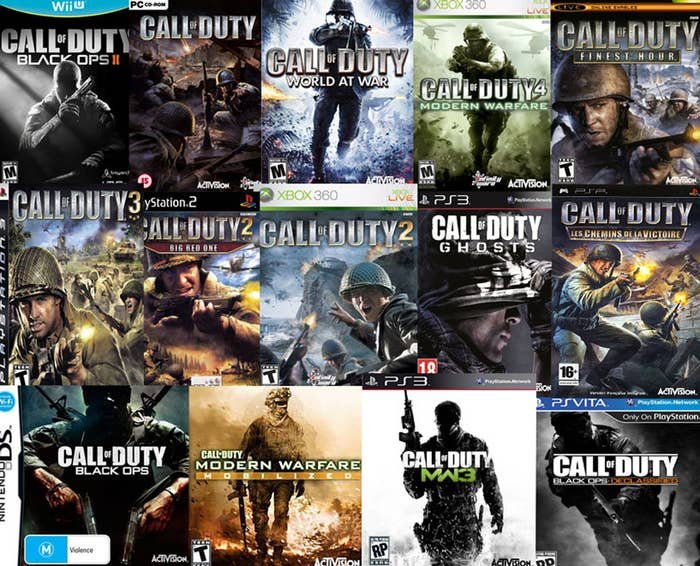
An IP game is a video game that uses an existing intellectual property, like a movie, book, or comic, as its foundation.
Ever wondered about the games based on your favorite movies? Or perhaps the ones that bring your beloved comic books to life? These are all examples of what is an IP game. They take characters, stories, and settings we already know and love, and give us new ways to experience them.
These games offer a familiar yet fresh approach. They allow us to interact with these worlds in ways the original mediums cannot provide. You get to be a part of the story.

What is an IP Game?
Imagine your favorite cartoon character, superhero, or even a popular toy. Now, picture a video game where you get to play as them! That’s pretty much the basic idea behind an IP game. But what does “IP” even mean? Well, IP stands for Intellectual Property. It’s a fancy way of saying something that someone has created and owns, like a story, a character, or a special design.
Understanding Intellectual Property
Think of intellectual property as an idea that’s protected by law. It’s like a special shield that keeps other people from copying it without permission. There are different kinds of IP, and they’re important for understanding why IP games are a thing. Here are a few main types:
- Copyright: This is like a protective bubble around creative works like books, movies, music, and of course, video games! Copyright stops people from copying and sharing these works without the owner’s permission. For example, the images and story in a Marvel comic are protected by copyright.
- Trademark: A trademark is like a special name or symbol that a company uses to identify its products or services. Think of the Nike swoosh or the Apple logo. These are registered trademarks, and no one else can use them for their products. Game titles and character names can also be trademarked.
- Patent: This protects new inventions. If someone creates a brand new way to play a game, they might get a patent on that game mechanic. It’s like a special invention certificate.
When we talk about IP games, we’re usually referring to video games that use characters, settings, or stories that are already protected by copyright or trademark. These games use established worlds and well-loved characters to draw in players who are already familiar with them.
How IP Games Are Made
Creating an IP game is a little more complicated than making a game from scratch. The game developers need to get permission from the people who own the intellectual property. This permission is usually called a license.
The Licensing Process
The licensing process is like asking someone if you can borrow their toys. Game developers contact the company that owns the IP, such as Disney, Nintendo, or Warner Bros., and explain their game idea. If the IP owner likes the idea, they’ll make an agreement. This agreement outlines how the game can use the IP, how much money the IP owner gets, and many other important details.
Here’s a simplified look at the steps:
- Idea Pitch: The game developer comes up with a game concept and presents it to the IP owner.
- Negotiation: The two parties discuss the details, including how the game will be made and how they’ll share any profits.
- Legal Agreement: They sign a contract (the license) to allow the use of the IP for the game.
- Game Development: The game developers begin creating the game, keeping the IP’s rules in mind.
- Release: The game is released, with both the developers and the IP owner often sharing the success.
Keeping the IP True
One of the biggest challenges in making an IP game is making sure the game feels like the original intellectual property. Players who are fans of a particular character or world have certain expectations. If a game doesn’t match those expectations, they might be disappointed. Developers must pay close attention to details, such as the look and sound of the game, the personalities of the characters, and the overall feel of the world. It’s important to make the game feel like a natural extension of the source material.
Types of IP Games
IP games come in many different forms. They’re not just all about action and adventure! Let’s explore some common types:
Action Games
Many IP games are action games. Imagine playing as Batman, swinging through Gotham City, or battling aliens as a character from the Avengers. These games often focus on exciting combat, exploration, and fast-paced adventures. They’re great for players who enjoy a lot of action.
Adventure Games
Adventure games are all about solving puzzles and following a story. IP-based adventure games allow players to jump into a familiar world and interact with beloved characters in a new way. Think of exploring Hogwarts as a student in the Harry Potter universe, or solving mysteries alongside the characters from your favorite cartoon show.
Simulation Games
Simulation games allow you to experience a particular situation in a virtual setting. IP-based simulation games can be very creative. For instance, you might manage your own farm based on a beloved children’s book, or run a restaurant where all your customers are well-known cartoon characters. These games are often more relaxed and encourage creativity and strategic thinking.
Puzzle Games
Puzzle games are all about thinking your way out of a situation using logic and creativity. IP-based puzzle games can use the world of the IP in creative ways. Imagine solving puzzles featuring characters and elements from a classic cartoon or animated movie.
Sports Games
Even sports games can feature IPs! Whether it’s a soccer game where characters from a cartoon series play against each other or a racing game with cars inspired by famous movies, adding IP to a sports game creates a fun and different experience.
Mobile Games
Mobile games are hugely popular. Many IPs have their own mobile games, which can be anything from a quick puzzle to a full-blown adventure. IP-based mobile games allow fans to play their favorite characters or stories on the go, often in bite-sized sessions.
Why are IP Games so popular?
So, why do we see so many IP games? There are several reasons why these kinds of games are so popular with both developers and players.
Built-In Fanbase
One of the biggest advantages of an IP game is that it already has an audience. People who love a certain movie, comic book, or cartoon are often very eager to play a game that lets them interact with their favorite characters and worlds. This makes it easier for game developers to get their game noticed and to sell it to players. This means fewer worries about starting from scratch to find an audience.
Nostalgia and Familiarity
Many IP games make us feel nostalgic. They let us return to worlds and characters we grew up with or that we still enjoy. This familiar feeling can be a big draw, as players can experience a favorite story in a fresh, interactive way. It’s like stepping into the pages of a beloved book, or into your favorite TV show.
Recognizable Characters and Worlds
IP games often feature characters and worlds that players recognize instantly. This familiarity makes the game more appealing. It’s easier to get excited about a game when you already know and love the characters and settings, than when you don’t know anything about them.
Less Risk for Developers
For developers, using an existing IP can be less risky than creating something new from scratch. Since the IP already has an audience, the developers have a higher chance of making money from the game. This reduces some of the financial risks that often come with game development. They have a platform and a story to begin with.
Opportunities for Story Expansion
IP games can give players a chance to see the characters they love in new stories. Sometimes, these games can even expand on the original IP, adding new details and adventures that fans will enjoy. This gives players an opportunity to see characters and worlds in ways they haven’t seen before.
The Impact of IP Games on the Gaming Industry
IP games have had a big impact on the gaming industry. They’ve become a major part of the market and have influenced how games are made, sold, and played.
Increased Revenue for IP Owners
IP games allow IP owners (like movie studios, publishers, and toy companies) to make more money from their properties. By licensing their IP for games, they can reach new audiences and strengthen their brand. It becomes another revenue stream for them.
Greater Variety of Games
IP games have also added variety to the gaming landscape. Players now have access to a wider range of games featuring different characters, stories, and gameplay. This variety helps to keep the gaming world interesting.
Greater Engagement from Players
When people love the source material, they’re often more engaged with an IP game. This can create dedicated player communities. They become more emotionally connected with the game, often investing more time and energy into it. It can help create long-term players.
Potential Downsides
Although IP games have many advantages, there can also be some downsides. It’s essential to understand these.
Dependence on Source Material
Sometimes, IP games rely too heavily on the source material. If they don’t innovate or introduce new ideas, they might end up feeling repetitive or boring. It’s good to stay true to the IP, but some creativity is essential.
Potential for Misinterpretation
If game developers aren’t careful, they might misinterpret the IP and create a game that isn’t faithful to the original. This can frustrate fans who have high expectations. They can get disappointed if the game doesn’t feel true to the original story or characters.
Quality Concerns
Sometimes, the focus on a popular IP might lead to the production of games that aren’t high quality. It’s important that all games, especially IP games, prioritize quality gameplay and an overall good experience.
So, there you have it! IP games are more than just a way to play as your favorite character. They’re a big part of the gaming industry, connecting beloved stories and characters with interactive adventures. From action-packed escapades to puzzle-filled worlds, they bring familiar favorites to life. They are a fun way to experience stories, and they play a significant role in shaping the world of video games.
IP – What is IP in Gaming
Final Thoughts
An IP game, at its core, uses existing intellectual property. Think movies, books, or comics turned interactive. These games leverage familiar characters and worlds for their gameplay. Publishers choose popular IP to attract an already-established audience.
What is an ip game? It is simply a title based on a known property. These games can vary greatly in genre. They range from simple puzzles to complex role-playing experiences. This variety gives game developers an opportunity to be creative.

