
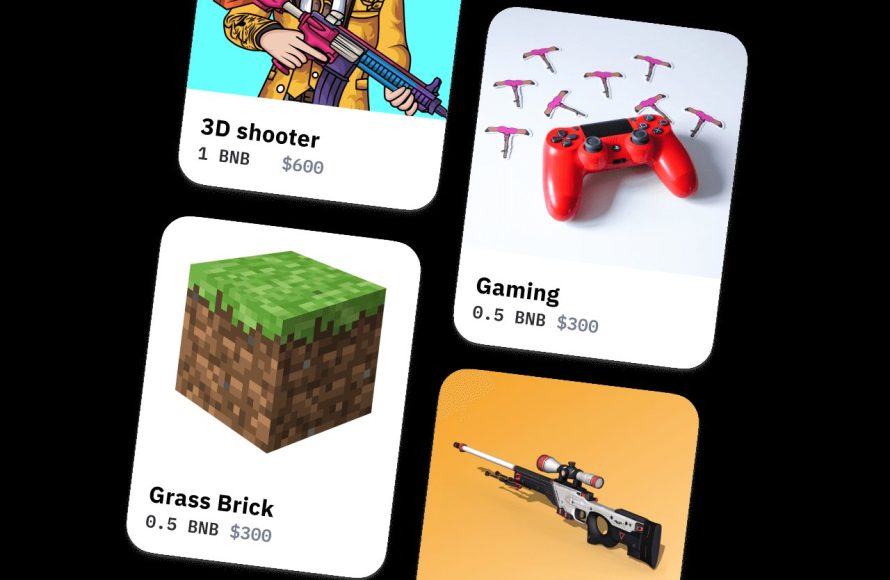
An NFT game is a video game that uses non-fungible tokens (NFTs) to represent in-game items, characters, or other assets, giving players true ownership.
Have you heard the buzz around NFT games and wondered what exactly they are? It’s a hot topic right now, and understanding what is an nft game can seem tricky. These new digital worlds are changing the way we play games. They are making gaming more than just entertainment.
The core concept involves the use of NFTs which creates a new dynamic in gaming. Instead of just purchasing items, players now own them. This ownership introduces a whole new dimension of gameplay, economics and community interaction.

What is an NFT Game?
Ever played a video game and wished you could really own that awesome sword or that super cool character? Well, that’s where NFT games come in! Imagine games where some of the stuff you earn or buy aren’t just in the game – they’re actually yours to keep, trade, or even sell. These special items are called NFTs, and they make games way more interesting!
Understanding NFTs: The Building Blocks
Before we dive deep into NFT games, let’s quickly understand what an NFT is. NFT stands for Non-Fungible Token. That’s a big phrase, but it simply means it’s something unique and can’t be copied or replaced. Think of it like a rare trading card or a one-of-a-kind painting. Each NFT has its own special code that shows it’s truly unique and who owns it.
How NFTs Work in Games
In NFT games, these unique tokens represent things like:
- Characters: Your hero or the monster you battle.
- Items: Swords, shields, potions, or even virtual land.
- Cosmetics: Cool outfits, skins, or accessories for your character.
- Artwork: In some games, the art itself is an NFT you can own.
Because these items are NFTs, you can take them outside of the game and trade them with other players on special marketplaces. It’s like trading real-world toys, but they’re digital and live on the internet. This aspect of ownership is what separates NFT games from regular video games.
How NFT Games Differ from Regular Games
Traditional games typically keep ownership of all in-game items within their system. You might spend time earning a powerful weapon, but you can’t really sell it or take it outside of that game. Here’s a handy table to show the main differences:
| Feature | Regular Games | NFT Games |
|---|---|---|
| Ownership of Items | Game company owns everything | Players own certain items as NFTs |
| Trading Items | Limited or not possible | Items can be traded on marketplaces |
| Value Outside Game | No value | NFTs can have real-world value |
| Earning Potential | Usually no direct earning | Possibility to earn from trading and gameplay |
As you can see, the player has much more control in NFT games, and that’s a big reason why they are gaining popularity.
The “Play-to-Earn” Concept
A big part of the appeal of many NFT games is the idea of “play-to-earn.” This means you can earn real money by playing the game. How is this possible? Because the NFTs you earn or win in the game can be sold on NFT marketplaces for cryptocurrency (which can then be exchanged for regular money).
Different Ways to Earn
Here are some popular ways players can potentially earn money within NFT games:
- Completing missions and quests: Many games reward players with NFTs or in-game currency that can be converted to NFTs.
- Winning battles or tournaments: If you’re skilled, you might earn valuable NFT rewards for beating other players.
- Breeding and raising virtual pets: Some games allow you to breed NFT creatures and then sell the offspring.
- Trading NFT items: If you buy low and sell high on the marketplace, you can potentially earn money.
- Owning virtual land: In some NFT games, you can purchase virtual land which might then increase in value.
However, it’s important to remember that earning in NFT games isn’t a guarantee. The value of NFTs can go up or down based on demand, and not all games are successful.
Types of NFT Games
NFT games come in all shapes and sizes, just like regular video games. Here are a few of the main types you might see:
Trading Card Games
These games are similar to classic trading card games but with the cards represented by NFTs. Players collect, trade, and use their cards in strategic battles. Examples include popular games like Gods Unchained and Splinterlands. The thrill of finding a rare card and the strategic depth of these games make them fun for many.
Virtual World Games
These games involve owning and interacting within virtual worlds or metaverses. Players can own land, build houses, and participate in social activities. Games like Decentraland and The Sandbox allow players to buy virtual land as NFTs and create their own experiences within the game. This type of game offers creative freedom and community interaction.
Adventure and Role-Playing Games (RPGs)
In these games, players explore worlds, complete quests, and battle enemies. Many RPGs are integrating NFT elements to allow for trading of weapons, armor, and characters. Axie Infinity is a popular example where players raise NFT creatures and battle each other. These games combine action with the ability to own and trade in-game assets.
Sports and Racing Games
These games apply the NFT concept to sports or racing scenarios, often allowing players to own virtual teams, athletes, or vehicles. Players can then compete in races or matches, with potential rewards paid out as NFT or cryptocurrency. These games add a new layer of strategy and ownership to the familiar thrill of sports and racing.
Simulation Games
Simulation games often involve building, managing, or simulating real-life activities. In the NFT game context this might involve running a virtual farm with crops represented as NFTs. This allows users to collect resources, complete missions and sell their produce to other players.
The Benefits of NFT Games
There are many advantages to playing NFT games:
- Real Ownership: You truly own the items you get in the game, not just a license.
- Earning Potential: You can potentially earn money from your time and skills.
- Interoperability: Some NFTs can be used in different games or other platforms in the future.
- Community Driven: Many NFT games have strong communities that contribute to the game’s growth.
- Innovation: NFT games are constantly changing and pushing the boundaries of what’s possible in gaming.
The Risks of NFT Games
While NFT games are exciting, it’s important to be aware of the potential risks:
- Volatility: The value of NFTs can change quickly, so you might lose money if the price goes down.
- Scams: Some NFT games are scams, so it’s important to do your research before spending money.
- High fees: Some marketplaces charge high fees for buying and selling NFTs.
- Investment Risk: NFT games should not be considered a guaranteed financial investment. As with any new tech, they carry a high degree of volatility and risk.
- Complexity: Understanding the underlying technology, the game mechanics, and the economic aspects of NFTs can be challenging.
Getting Started with NFT Games
If you’re excited to try out NFT games, here’s what you need to do to get started:
- Do Your Research: Before investing any money, learn about the game and the company behind it.
- Get a Cryptocurrency Wallet: You need a crypto wallet to buy, sell, and store your NFTs and cryptocurrencies.
- Choose a Game: There are many NFT games to choose from, so find one that interests you.
- Buy NFTs: You’ll likely need to buy some initial NFTs to get started. This can be characters, items, or other in-game assets.
- Start Playing: Enjoy the game and learn as you go!
Remember to start small and only invest what you can afford to lose. Always approach NFT gaming with a balanced perspective. Treat it primarily as a fun gaming experience, and any financial gain should be considered a bonus.
The Future of NFT Games
NFT gaming is still very new, but many people believe it has a very bright future. As the technology develops, we can expect:
- More innovative game designs that blend traditional gaming with NFT tech.
- More user-friendly interfaces and tools to make it easier to get involved.
- Better integration with other technologies, like the metaverse.
- Greater cross-game interoperability, where assets can be used in multiple games.
- Enhanced earning opportunities and more complex game economies.
NFT games represent a significant shift in the gaming world by giving more control and ownership to the players. While risks are involved, the potential for innovation and new gaming experiences make them exciting to watch.
The world of NFT games is certainly changing the way we think about gaming. It’s a fascinating area where technology, finance, and entertainment come together. By understanding the fundamentals, the risks, and the benefits, you can decide if it’s the right fit for your gaming journey.
NFT Explained In 5 Minutes | What Is NFT? – Non Fungible Token | NFT Crypto Explained | Simplilearn
Final Thoughts
An NFT game uses non-fungible tokens. These tokens represent in-game assets. Players can own, trade, or sell these assets. They gain real-world value.
This ownership differentiates them from traditional games. Players have actual control over their digital items. This also adds a new economic layer.
Essentially, what is an nft game? It’s a game integrating NFTs. It gives players verifiable ownership and economic opportunities.

