
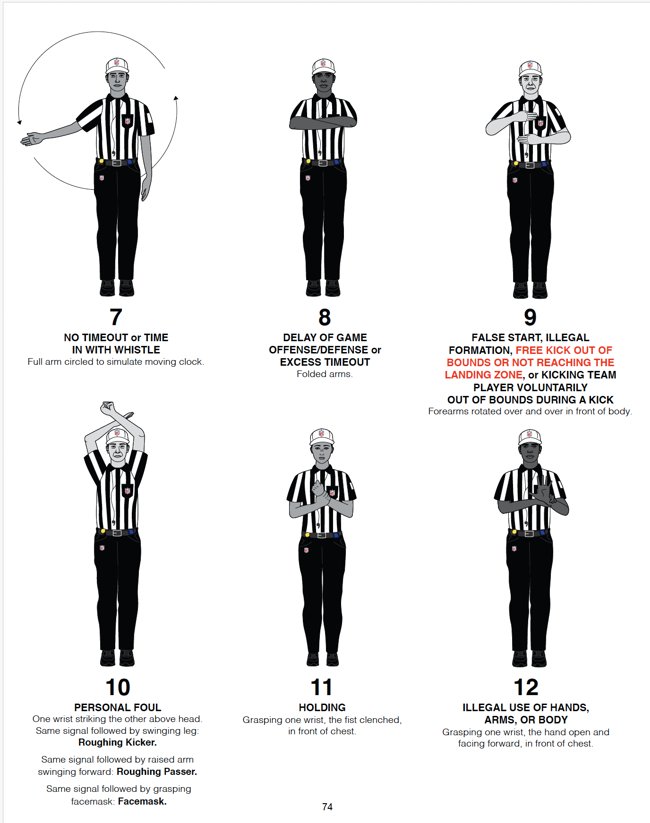
Delay of game in football occurs when a team fails to put the ball in play before the play clock expires, resulting in a penalty.
Ever found yourself scratching your head during a football game, wondering about a penalty called “delay of game?” It’s a frequent call, and understanding what is delay of game in football can enhance your appreciation of the sport.
Essentially, the clock keeps ticking in football, and teams have a set amount of time to snap the ball. Failing to do so before the clock hits zero results in the penalty we often see. This can really change the flow of a game.

What is Delay of Game in Football?
Ever watched a football game and seen a yellow flag thrown, followed by the announcer saying, “Delay of Game”? It’s a common penalty, but what exactly does it mean? Let’s break it down and explore everything you need to know about this rule. Essentially, a delay of game penalty occurs when the offensive team fails to start the play within the allowed time limit. This rule is in place to keep the game moving at a reasonable pace and prevent one team from slowing things down too much.
The Play Clock: Your Timekeeper
The main thing to understand about delay of game is the play clock. Every football game has one, and it’s ticking down constantly. It’s a timer that dictates how much time the offense has to snap the ball and begin the next play. Think of it like a race against time, but instead of running, you have to get the play going before the clock hits zero.
How Much Time is on the Play Clock?
The amount of time on the play clock varies depending on the league, but here’s a general idea:
- NFL: 40 seconds after the end of the previous play. The play clock is 25 seconds after specific administrative stoppages, like an incomplete pass.
- College Football: 40 seconds after the end of the previous play.
- High School Football: Generally, 25 seconds to 30 seconds.
It’s worth noting that the clock often runs continuously in many levels of football, stopping only for specific reasons. Once a play is over, the play clock starts right up again. The offense needs to be ready and get the ball snapped within this time or else they will be penalized.
When Does Delay of Game Occur?
Delay of game happens when the offense fails to snap the ball before the play clock hits zero. It’s a pretty clear-cut rule, but a few situations can lead to this penalty. Let’s explore some of these situations:
- Being Too Slow to Get Set: If the offensive team is not lined up and ready to go before time runs out, they get a delay of game penalty. This means all the players need to be in position.
- Incorrect Personnel: Sometimes, a team may realize they have the wrong players on the field for a specific play. If they’re slow to make the changes and the play clock runs out, that’s a delay of game.
- Miscommunication: Sometimes the quarterback needs a little extra time to relay the play call, but if this takes too long and the play clock hits zero, it can result in a penalty.
- Injuries: A player being injured can slow down the pace of the game, and if the time it takes to get the player taken care of runs out the play clock, it can sometimes cause a delay penalty.
- Intentional Delay: Sometimes, a team may try to deliberately run down the play clock to strategically control the clock. However, if they wait too long and run the play clock down to zero before snapping the ball, this will result in a penalty.
The Penalty: What Happens When Delay of Game Occurs?
Okay, so you now understand when a delay of game penalty might happen. But what’s the consequence? When a delay of game penalty happens, the team loses ground. This setback can often put the offense in a difficult situation, forcing them into a long-yardage situation.
The Yardage Penalty
The standard penalty for delay of game is usually a 5-yard penalty. This means the team is pushed back five yards from where the ball was spotted before the play. This 5-yard penalty might not sound like much, but it can make a big difference in the position of a team on the field. It can make a third down much harder to convert, or turn a long field goal attempt into an even longer attempt.
Consequences on Different Downs
The impact of a delay of game penalty can vary depending on the down. For instance:
- First Down: A delay penalty on first down pushes the team back, making it a bit harder to get the next first down.
- Second Down: This can make the yardage to gain for a first down even longer. It can also put more pressure on the offensive team.
- Third Down: This is a crucial down. Delay of game can lead to a 3rd and long situation, where the team has to gain more yards for a first down.
- Fourth Down: This can make a field goal attempt or a decision to go for it harder. If the offense is close to the goal line, a penalty like this can prevent them from getting a touchdown.
Avoiding the Delay of Game Penalty
So, how do teams avoid getting this penalty in the first place? Here are some important factors that help teams keep the play clock from hitting zero:
- Clear Communication: The quarterback, offensive line, and the rest of the offense need to communicate clearly with each other about the play. They also have to make sure they’re lined up properly.
- Quick Huddles: Huddles need to be efficient and fast. If a team spends too long in a huddle, they’ll waste too much of the play clock.
- Proper Personnel: Making sure the right players are on the field is very important, and teams need to do this efficiently to not waste time.
- Efficient Play Calling: Play calls must be given and processed efficiently. Delaying too much on play calling can lead to penalties.
- Practicing Time Management: Teams practice this a lot, as making sure they are on schedule and ready for the snap before the play clock runs out is a key component of the game.
Strategic Use of the Play Clock
While delay of game is a penalty, teams also use the play clock strategically. They may run the clock down on purpose, sometimes to conserve time near the end of the game. But this must be done very carefully, because if the clock runs to zero, there will be a penalty.
Clock Management
Clock management is a critical aspect of football. It’s about running down the play clock when you want to chew up more time, and snapping the ball quickly when you’re trying to move the chains and score. Teams sometimes use this as a strategy at the end of each half to either try to score at the end of half, or keep their opponents from doing so, if they have a lead. It’s a delicate balance, and teams need to understand the rules and play clock to do this effectively without getting a penalty.
Delay of Game vs. Other Penalties
Sometimes, it can be confusing to separate delay of game from other penalties. Let’s compare it with two penalties:
False Start
A false start happens when an offensive player moves before the ball is snapped. It’s related to the beginning of the play, but it’s different from delay of game because it doesn’t have to do with the play clock. A false start is about a player moving too soon. Delay of game is about failing to snap the ball before time runs out.
Encroachment
Encroachment is when a defensive player enters the neutral zone before the ball is snapped. Like a false start, this isn’t about the play clock, but the positioning of players at the line of scrimmage before the snap. Encroachment is different than delay of game as they occur in different areas and have different reasons. Delay of game is about running out the play clock, while encroachment is about defensive players crossing the line too early.
Key Takeaways
Let’s review some important aspects of delay of game:
- Delay of game happens when the offense fails to snap the ball before the play clock hits zero.
- The play clock is a timer that dictates how much time a team has to start the next play.
- A delay of game penalty results in a 5-yard loss for the offending team.
- Teams must manage the play clock efficiently and communicate properly to avoid delay of game penalties.
- Delay of game is different from a false start or encroachment, which involves player movement before the ball is snapped.
Understanding the delay of game penalty is crucial for appreciating the pace and strategy of football. It’s about time management and making sure that the game moves at a reasonable pace. It is a very crucial part of the game that keeps it flowing smoothly, so that the game has a good pace. By understanding this rule, you’ll have a better grasp of football, and will be able to understand why different things are happening on the field.
a rare delay of game penalty on the defense
Final Thoughts
Delay of game in football occurs when the offense fails to start a play before the play clock expires. This penalty results in a five-yard penalty for the offending team.
The primary reason for this rule is to maintain the pace of the game. It also ensures fair play.
Therefore, what is delay of game in football is fundamentally about timing infractions. Teams must adhere to the set play clock.

