
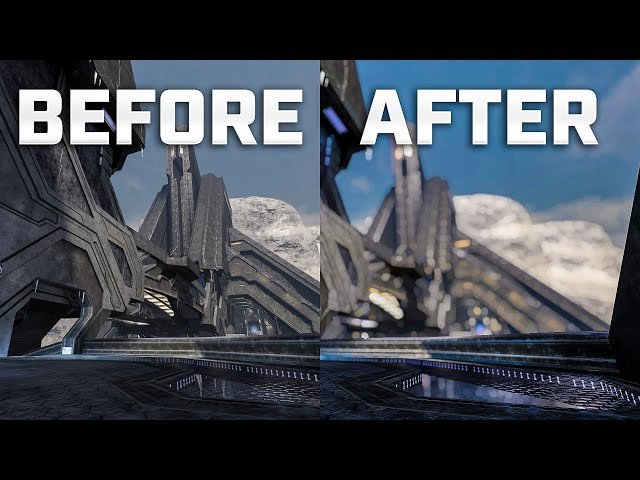
Depth of field in games is a visual effect that blurs elements not in focus, drawing attention to specific subjects within the scene.
Ever noticed how some objects in games appear sharp while others are hazy? That’s depth of field in action. It’s a technique borrowed from photography and film that simulates how human eyes perceive focus.
Understanding what is depth of field in games can drastically improve your visual experience. This effect makes game worlds feel more realistic and can guide the player’s focus by blurring unnecessary details. It creates a sense of depth and cinematic feel.

What is Depth of Field in Games?
Ever looked at a photo where some parts are super clear, and others are blurry? That’s depth of field! It’s like our eyes, but in the world of pictures and, importantly, in video games. In games, depth of field helps make things look more real and can also be used to guide your attention.
How Depth of Field Works
Imagine looking at your hand held up close to your face. It’s clear and sharp, right? Now look at something far away, like a tree outside the window. It’s also clear. But, if you try to focus on both your hand and the tree at the same time, one will be blurry. This is because our eyes can only focus on one thing at a time. Depth of field in games mimics this effect.
The Focus Point
At the heart of depth of field is the ‘focus point’. This is the exact spot where everything is crystal clear. Things closer or further away from this point start to lose their sharpness and become blurry. In a video game, the focus point is usually where your character is looking or what the game wants you to see clearly. Think of it like a camera lens focusing on a subject. This focus gives a sense of depth and makes the scene appear more realistic.
Why Blur?
Why do things get blurry at all? It has to do with how light travels and how lenses (like the one in your eye or a camera) focus that light. If light from an object is perfectly focused on the “screen” of your eye, that object looks clear. If the light isn’t perfectly focused, the object appears blurry. In games, developers use clever math and computer graphics tricks to create this effect, making the background or foreground go out of focus.
Depth of Field and the Player Experience
Depth of field isn’t just a pretty visual effect; it plays a big role in how we experience games. It can influence gameplay in several key ways:
Guiding the Player’s Attention
Game developers frequently use depth of field to make sure players notice specific elements. For instance, if an important clue appears in the background, the developers may reduce the blur on that object to draw the player’s eye. The sharpness of the object makes it stand out against the blurry surroundings. This technique directs the player’s gaze and often highlights important information.
Creating a Cinematic Feel
Many movies use shallow depth of field (a lot of blur) to create a feeling of drama and focus. Games use this same technique. When depth of field is applied artfully, it can make a game look more like a movie. Think of cutscenes, where the main character is crisp while everything else is soft and blurred. This enhances the storytelling and creates a more engaging experience.
Adding Realism
Our eyes naturally adjust focus all the time. Depth of field simulates this. By adding a blur to things that aren’t the focus of attention, developers increase the realistic feel of the game world. Imagine a game where everything is always perfectly in focus, and it looks artificial. Depth of field helps break that artificiality.
Immersion
When a game looks and feels like reality, we are more immersed. Depth of field helps blur out distracting background elements, allowing you to be more involved in the game’s current action. You can concentrate on the main character and the game world right there in front of you. When a scene blurs out elements not part of the interaction, you’re less likely to be distracted by things that aren’t important at the moment.
Different Types of Depth of Field
There isn’t just one single depth-of-field effect. There are different ways developers implement it. Here are a few types you might see in games:
Shallow Depth of Field
Shallow depth of field is when only a small slice of the scene is in focus, and the rest is very blurry. This is great for close-ups or when focusing on a particular character. You’ll see this a lot during dialogue or important moments.
- Creates a dramatic effect
- Focuses attention on a specific subject
- Often used in cutscenes
Deep Depth of Field
Deep depth of field is when nearly everything in the scene is in focus, with minimal blurring. This is great for wide shots where you want to see a lot of detail. A vast landscape with only slight blurring at the edges would be an example of deep depth of field.
- Keeps most of the scene in focus
- Ideal for large environments
- Useful for showing off beautiful scenery
Variable Depth of Field
Variable depth of field is when the amount of blur changes dynamically based on the gameplay. For instance, if you zoom with a sniper rifle, the game might quickly blur out the area around the crosshairs to focus your attention. Or during a chase the game might use shallow depth of field to increase the sense of speed.
- Dynamic changes depending on the action
- Focuses attention on what is immediately important
- Improves gameplay during specific action
Depth of Field Settings in Games
Many games have settings that allow you to adjust the depth of field. It’s typically called a “depth of field” slider or switch. This gives players more choice to customize their experience. Let’s look at what those settings might mean for you.
Turning Depth of Field Off
Some players might not like the blur, so some games let you turn it completely off. This can make everything in a scene appear sharp. It might be beneficial for those who want to see the full clarity of a game world. However, this can sometimes make the game look a bit unnatural compared to games with depth of field enabled.
Adjusting the Intensity
Games sometimes offer more control than just on/off. You might find a slider to adjust how much blur is applied. With less blur you can get a deep depth of field, and with more blur you will get a shallow depth of field. This lets players strike their own balance between realism and visibility based on personal preference.
Performance Considerations
Depth of field effects can sometimes require a fair amount of processing power from a computer or console. This is because the game needs to compute and render different levels of blur in real-time. If your computer is struggling to run the game smoothly, reducing or disabling depth of field might help to boost your frame rates.
The Science Behind Depth of Field
Depth of field isn’t magic; it’s rooted in how lenses and light interact. In the real world, the focus is controlled by a lens in the eye or a camera. Lenses bend light in a way that focuses it onto a point. The point at which the light from an object is perfectly focused becomes the sharp object, the focus point. Objects located in front of or behind that focus point are not perfectly focused, so they become blurred. Game developers use this principle by creating digital lenses that mimic the real-world lens behavior.
Understanding Aperture
In photography, a concept called “aperture” is linked to depth of field. The aperture is the size of the lens opening that allows light through. A wide aperture (a lower f-number like f/1.8) lets a lot of light in, creating a shallow depth of field. A small aperture (a higher f-number like f/16) lets in less light and creates a larger depth of field. This principle is replicated in some games to produce different visual results. Game developers carefully adjust virtual apertures to create various blur effects.
The Circle of Confusion
Another principle of depth of field is called the “circle of confusion”. Every point in an image actually has a small circular shape to it. When things are perfectly in focus, these circles are so small they appear to be points. When an object is not in focus, these circles of confusion become larger, resulting in blur. Games implement complex algorithms to simulate these circles, creating realistic blur effects based on the distance from the focus point.
When Depth of Field is Overused
Like any visual tool, depth of field can sometimes be overdone or used improperly, which can create a negative experience for the player. Here are some things to look out for:
Too Much Blur
If the depth of field is too intense, everything might blur so much that it is difficult to see. This can make it challenging to navigate the game world and spot the details. Overuse of shallow depth of field makes it feel like you are always looking at the world through a camera lens instead of with your own eyes. This can make the game feel more artificial rather than realistic. It may be hard to focus on what’s important if there’s too much blur.
Performance Issues
As discussed earlier, depth of field can be demanding on hardware. When improperly optimized, it can cause lag or frame rate issues, especially on older systems. If you notice stutters or a drop in frame rate, try reducing depth of field.
Disorienting Effect
In some cases, sudden changes in depth of field or intense blur can actually make some players feel a little disoriented or even slightly nauseous. In fast-paced games, a quickly changing depth of field can distract and make it harder to play. It is always about striking a balance. The goal is for the game to look better, not worse.
Depth of Field: A Powerful Tool
Despite potential issues with overuse, depth of field is a powerful tool that, when used thoughtfully, makes games more immersive, cinematic, and visually impressive. It improves the sense of realism and can guide player attention to critical details. As technology advances, we’ll likely see even more sophisticated ways of implementing depth of field in games, creating richer and more engaging gameplay. As a player, it’s helpful to understand how depth of field works so you can appreciate its implementation. As a developer, understanding the visual and performance impacts of depth of field can help you make more informed decisions for your game.
Depth of field is a powerful effect when used wisely. It can make games feel more like movies, draw your attention, and give you a sense of reality. Next time you play a game, pay attention to the blur; you might just see how it adds to the experience.
What's The Deal With Depth Of Field
Final Thoughts
Depth of field in games simulates how a camera lens focuses. It makes nearby objects appear sharp while blurring distant ones. This visual technique adds realism and draws player attention.
The implementation of depth of field varies across game engines. Developers adjust settings to achieve desired artistic effects. Ultimately, what is depth of field in games enhances visual storytelling and player experience.

