
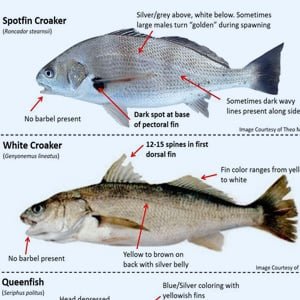
Game fishing is the activity of angling specifically for large, challenging fish, often with the intention of sport rather than solely for food.
Have you ever wondered what is game fishing, beyond just catching any fish? It’s an exciting pursuit that goes beyond a casual day by the lake. It involves actively targeting particular species known for their size, strength, and fighting spirit.
These fish often live in deeper waters and require specialized equipment and techniques. Anglers pursue them for the challenge and thrill. Game fishing often incorporates catch-and-release practices to conserve fish populations.

What is Game Fishing?
Okay, let’s talk about game fishing! Imagine fishing, but instead of just catching any fish, you’re going after the big, strong, and sometimes super tricky ones. That’s game fishing in a nutshell. It’s not just about bringing home dinner; it’s about the challenge, the thrill, and the experience of battling a powerful fish. It’s like a sport where you and the fish are both playing to win.
Defining Game Fish
Before we dive deeper, we need to know what a “game fish” actually is. It’s not just any fish you find in the water. These are species known for their size, strength, fighting ability, and the sporting challenge they offer to anglers. Think of them as the athletes of the fish world. Game fish typically are sought after for recreational purposes rather than commercial fishing. Here are a few things that often make a fish a “game fish”:
- Size and Strength: Game fish are often larger and more powerful than typical food fish. They can put up a real fight, testing the angler’s skills and equipment.
- Aggressive Behavior: These fish aren’t passive. They’re known to aggressively pursue bait or lures, making the catch more exciting.
- Sporting Challenge: Game fishing is a sport, and these fish offer a good test of an angler’s patience, technique, and strength.
- Regulations: Game fish are often subject to specific fishing regulations, including size limits, catch-and-release rules, and closed seasons.
Some common types of game fish include:
| Type of Fish | Where They Live | Why They’re Considered Game Fish |
|---|---|---|
| Marlin | Open Oceans | Known for their incredible size, speed, and jumps when hooked. |
| Tuna | Warm Oceans | Powerful swimmers that can fight for a long time. |
| Salmon | Rivers and Oceans | Known for their strength, and they often travel long distances to breed. |
| Bass (Largemouth, Smallmouth) | Lakes and Rivers | Popular for their aggressive strikes and acrobatic jumps. |
| Muskellunge (Muskie) | Freshwater Lakes and Rivers | Large, powerful, and known for being very difficult to catch. |
| Tarpon | Coastal Waters and Rivers | Known as the “Silver King” for their spectacular jumps. |
The Core of Game Fishing: More Than Just a Catch
Game fishing is way more than just pulling fish out of the water. It is about a whole experience. It often involves special gear, boats, and strategies to target these specific kinds of fish. It’s a pursuit, a challenge, and an adventure all rolled into one. Here’s a closer look at what makes game fishing so unique:
The Gear
Game fishing requires some specialized equipment. It is not just a simple rod and reel set up. Think of it as the difference between riding a bicycle and a motorcycle. The gear is designed to handle the immense power and size of these fish. Here are some of the key pieces:
- Heavy-duty Rods and Reels: These are built to withstand the strain of a hard fight. They need to be strong and durable, often made from advanced materials.
- Strong Fishing Line: The lines have to be strong, capable of resisting the forces put on it by the game fish. They are often thicker and designed to be abrasion resistant.
- Specialized Lures and Baits: Game fish can be picky. They often need special lures or baits that mimic their natural food sources.
- Fighting Belts: This equipment helps the angler distribute the strain of a big fish across their back and legs rather than just their arms.
- Outriggers and Downriggers: For boat fishing, these tools are used to position lures at different depths and distances from the boat.
The Techniques
Catching game fish requires skill and knowledge of specific techniques. It’s not just about dropping a line and hoping for the best. It’s about understanding how the fish behave, where they live, and what they like to eat. Here are some common game fishing techniques:
- Trolling: This involves dragging lures or baits behind a moving boat. It is very effective for covering a large area and targeting fish that are actively hunting.
- Casting: This method involves throwing the lure or bait to a specific area and retrieving it in a way that is attractive to the fish. This requires accuracy and good technique.
- Fly Fishing: This technique uses lightweight rods and artificial flies to mimic insects or small fish. It requires good casting technique and precision.
- Bottom Fishing: This is used to target fish that live near the bottom of the water, using weighted lines and baits.
- Live Baiting: The use of live fish or other baitfish to entice game fish to strike.
The Locations
Game fishing happens in both freshwater and saltwater environments. Each offers different types of game fish, experiences and challenges.
- Saltwater Game Fishing: Think of the vast oceans, coastal waters, reefs, and bays. These waters are home to marlin, tuna, swordfish, tarpon, and many other powerful species.
- Freshwater Game Fishing: Lakes, rivers, and streams host a wide variety of game fish such as bass, muskie, trout, and salmon.
The Sportsmanship of Game Fishing
Game fishing isn’t just about catching a big fish, it also emphasizes ethical practices and conservation. Many game fishers practice catch and release, meaning they return the fish to the water unharmed after catching it. This is done to help maintain healthy fish populations.
Catch and Release
This practice is very common in game fishing, where the angler releases the fish back to the water after catching it, allowing it to reproduce and grow bigger. It’s about making sure that future generations can also enjoy the sport. It is also a way of saying that the game is not only about catching the fish but also about the challenge it gives.
Following Regulations
Game fishing often involves following strict regulations. This helps to protect fish populations from overfishing. These rules include restrictions on size, number, and species of fish that can be caught. Game fishing emphasizes respect for the rules and promotes sustainable practices.
Respect for the Environment
Game anglers are usually also very much aware of nature. They see how important it is to protect the water bodies where they fish. They usually ensure that they are not polluting the environment with plastic and other harmful materials.
The Thrill of the Chase
At its core, game fishing is about the thrill of the chase. The excitement, the anticipation, and the fight. It’s about connecting with nature and testing yourself against some of the most powerful creatures in the water. It’s the heart-pounding moment when a big fish takes the bait, the intense battle as you reel it in, and the great feeling when you finally land the fish.
The Challenge
Game fish are not easy to catch. They are smart, strong, and elusive. It requires patience, knowledge, and skill to catch them. Each fish presents a new puzzle to solve. It’s not just about luck.
The Adrenaline
The fight with a game fish can be an adrenaline rush. It’s a test of strength and endurance. The thrill of the battle is what many game anglers enjoy most. It is a pure rush of emotion that is hard to compare to other things.
The Connection
Game fishing provides a connection with nature and the natural world. It is about spending time outdoors and observing the beauty of nature and its inhabitants. The time spent on the water is great for physical and mental health. It also gives a chance to be more aware of the environment and the creatures around.
Getting Started with Game Fishing
If you are eager to start game fishing, here are a few things to consider:
Research
Learn about different species, their habitat, behaviors and what they eat. Understanding the habits of the fish you are looking for is important to catch it.
Find Local Guides
Local fishing guides can be a good help for new anglers. They know the best fishing spots and what techniques are most effective in your area.
Get Proper Gear
Start with essential equipment that matches your targeted species. Make sure that you have the correct fishing rod, line, and lures or baits.
Practice
Go to the water often and practice your casting, reeling, and other angling skills. Practice makes perfect and it is the only way to improve.
Be Patient
Game fishing can be challenging. Sometimes you have to be very patient. Do not give up if you don’t catch a fish every time. Sometimes you have to be very patient. It’s all part of the process.
Game fishing offers a unique blend of challenge, sport, and connection with nature. It’s not just about the fish but the entire adventure. Whether you’re a seasoned angler or a beginner, there’s always something new to learn and enjoy in the world of game fishing. Each fish, each day, and each trip brings new experiences and different results.
Game fishing is more than just a way to catch fish; it’s a passion, a sport, and a connection with the natural world. It is a blend of strategy, skill, and a deep respect for the environment. It offers an exciting challenge and a lot of rewards for anglers willing to put in the effort. It is not only a way of leisure but a method to connect with nature and appreciate its beauty.
Game Fishing – Leadering Techniques
Final Thoughts
Game fishing involves pursuing large, often predatory fish for sport, instead of food. Anglers use specific techniques and tackle designed for these powerful species. The aim is the thrill of the fight and the challenge, often with catch and release practices.
Ultimately, what is game fishing? It is an exciting recreational activity focused on the pursuit and capture of challenging fish. This sport demands skill and patience and offers an adrenaline rush. It connects people with nature.

