
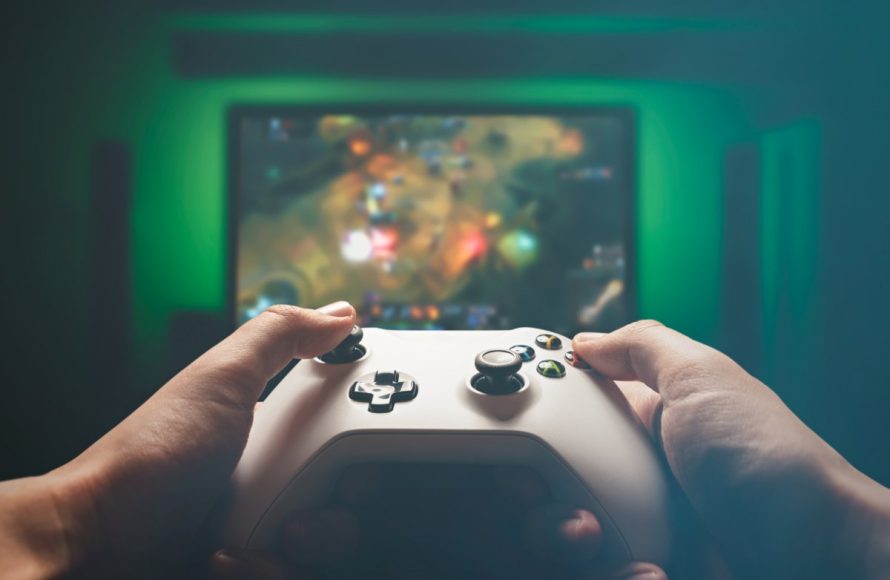
Game playing is engaging in activities with rules and objectives, often for entertainment or competition.
Have you ever wondered what exactly is game playing? We all do it, from simple childhood games to complex strategy challenges. This interaction with rules, goals, and often other participants is a core part of human experience.
It’s more than just fun; game playing allows us to learn, compete, and socialize. It encompasses a wide range of activities, from board games to video games, and even sports. Understanding this broad concept helps us appreciate its impact on our lives.

What is Game Playing?
Have you ever wondered what it really means to play a game? It’s more than just having fun, though fun is a big part of it! Game playing is a special kind of activity where we follow rules to reach a goal. Think of it like a mini-adventure with challenges and rewards. Let’s dive into the wonderful world of game playing and explore all its fascinating parts.
The Core Elements of Game Playing
At its heart, game playing involves a few key things that make it different from other activities. These parts work together to create a fun and engaging experience. Let’s take a look at each of them:
Rules: The Game’s Blueprint
Every game has rules. These rules are like the instruction manual for the game. They tell us what we can and can’t do. Rules make sure the game is fair for everyone involved. They also help to create a sense of order and structure within the game. Without rules, things would be chaotic! Think of a board game; rules dictate how you move pieces, draw cards, or score points. Even in tag, there are rules about who is “it” and how you tag someone.
Games can have simple or complex rules. A game of tic-tac-toe has really simple rules, while a game of chess has many more complicated rules. These rules dictate all the possible actions within the game.
- Examples of Rules:
- In a card game, like ‘Go Fish’, the rules tell you how to ask for cards and how to make a match.
- In video games, the rules dictate how your character moves, interacts with the environment, and battles enemies.
- Sports, like soccer or basketball, have very clear rules about how to move the ball, how to score, and what kind of contact is allowed with other players.
Goals: The Purpose of Play
Games always have a goal. This is what you’re trying to achieve by playing the game. The goal gives you something to work towards and motivates you to play. It might be to win, to score the most points, to solve a puzzle, or simply to reach the end. The goal provides focus and direction within the game’s structure.
The goal can change depending on the type of game you are playing. For example, in a puzzle game, the goal may be to complete the puzzle, in a role-playing video game the goal is to complete the quest given by a character in the game, and in racing game the goal is to finish the race in the first position.
- Examples of Game Goals:
- In a board game like ‘Monopoly’, the goal is to own all the properties and bankrupt your opponents.
- In a puzzle game, the goal is to solve the puzzle within the time limit.
- In a video game, the goal might be to save the world, defeat a boss, or achieve a high score.
- In a sport like baseball, the goal is to score more runs than the opposing team.
Challenges: The Fun Part
Games have challenges. These are the things that make the game not too easy. Challenges test our skills, our strategies, and our ability to make the best choices. These challenges give us something to overcome while we play a game. Without challenges, the game would not be very interesting or engaging to play.
These challenges can be designed around different aspects of a game. For example, puzzles challenge our ability to think through problems, some sports challenge our physical endurance, video games challenge our reflexes and strategy making skills.
- Examples of Challenges:
- In a card game like ‘Poker’, the challenge is to outwit your opponents and make the best hand.
- In a video game, the challenge could be defeating difficult enemies or solving tricky platform puzzles.
- In a sport like tennis, the challenge is to hit the ball skillfully and make it difficult for your opponent to return.
Interactivity and Agency
Interactivity is a key feature of playing a game. This means that the players’ actions and choices have a real impact on what happens in the game. The game reacts to what the players do. This interaction keeps us engaged and makes us feel like we have some control of the game. The game provides us a sense of agency, this refers to the feeling of making choices within the game that are meaningful. This feeling of agency is very important for making the game feel fun and engaging.
For example, in a video game, when you push a button to jump, your character jumps. In a board game, the placement of your piece could affect the course of the game. Every game is interactive in some way. It is how the player affects the game and how the game responds to the player’s actions that makes it interactive.
Why Do We Play Games?
Now that we know what game playing is, let’s talk about why we love it so much! There are many reasons why people all over the world enjoy playing games. Here are some key reasons:
Entertainment and Fun
Games are first and foremost a way to have fun. They help us relax, forget about everyday stress, and enjoy moments of play. Games make us laugh and give us a sense of enjoyment. They can be a fun activity to participate in by ourselves or with others. The positive emotions we feel during gameplay are the reason why we love playing games so much.
Learning and Development
Playing games is a great way to learn new skills. From problem solving to making strategy, and even improving our reflexes. Games can teach us many things without us even realizing it. When playing a board game or video game we are learning to follow rules, plan ahead, and make decisions. Games are a sneaky and fun way to make our minds and our bodies stronger.
- Skills Gained From Playing Games:
- Problem-Solving: Many games involve puzzles or strategic challenges that encourage problem solving abilities.
- Critical Thinking: Games help us to think before making a decision and learn to make effective choices.
- Hand-Eye Coordination: Especially in video games and sports, our hand-eye coordination and reflexes are improved.
- Social Skills: Games can be played with a group of people, and it can improve how we interact with others and learn how to cooperate.
Social Interaction
Games are not just a solo activity. They provide a way to connect with others. Whether it’s a family board game night or an online gaming session, they offer us an opportunity to interact, cooperate and compete with friends and family. Playing games with others helps us build stronger relationships and have fun at the same time.
A Sense of Accomplishment
Achieving a goal in a game gives us a sense of accomplishment. When we complete a level, win a match, or solve a tricky puzzle, we feel good about our efforts. This feeling of accomplishment helps boost our confidence. The more we play, the more we realize we can do and accomplish through games.
Types of Games
There are so many types of games out there. Let’s take a look at some of the main types and see what makes each one special.
Board Games
Board games are games played on a flat surface with different elements. These elements include game boards, tokens, dice, and cards. Board games are generally played with two or more people and can have different themes and challenges. Some well-known board games are Monopoly, Chess, and Checkers.
Card Games
Card games involve playing with a deck of cards. These cards can have numbers, symbols, or pictures on them. Some card games are played alone but most of them are played with multiple people. Card games are an excellent way to practice strategy and improve memory. Poker, Go Fish, and Uno are popular card games.
Video Games
Video games are played on electronic devices, such as computers, gaming consoles, or smartphones. Video games can come in many different types and genres. Some video games might involve solving puzzles or overcoming obstacles while others can focus on building and managing a virtual world. Video games offer a wide range of experiences. Popular video game genres are action, adventure, puzzles, and sports.
Sports
Sports are physical games that require some level of physical activity. These games often involve teams and competition. They have specific rules and goals. Sports can be played both indoors and outdoors. Sports like soccer, basketball, and swimming are a good way to develop coordination, physical fitness, and teamwork.
Role-Playing Games (RPGs)
Role-Playing Games are games where players take on the role of a character within the game. These games usually involve a narrative or story. Players make choices that affect the game and the world around them. RPGs can be tabletop games with dice and paper or they can be video games. Players develop these characters by choosing their skills and abilities. The game will progress depending on the choices they make.
Puzzle Games
Puzzle games are games that focus on solving different kinds of puzzles. These puzzles could be a jigsaw puzzle or a logic puzzle. Puzzle games are excellent for improving our mind and exercising our critical thinking and problem solving skills. They can be played in a physical format or in a digital format.
The Importance of Play
Game playing is not just a fun way to pass the time. It’s an important part of how we develop and grow. Play is a fundamental aspect of life and it is beneficial for people of all ages. It helps us learn, it helps us grow, it helps us become social, and it helps us stay creative.
Developing Essential Skills
As we discussed earlier, playing games help us to improve many different skills. These include problem-solving, planning, critical thinking, and even our social skills. These skills are not just useful within the game, they can be carried over to our daily lives. By engaging in play, we equip ourselves with important tools that will be beneficial in our everyday lives.
By participating in different types of games we can learn all kinds of important skills. For example, playing a strategy game such as chess will improve our strategic thinking and critical thinking. While playing a physical sport will improve our physical fitness. These skills are important for our well-being and how we engage with the world.
Stress Relief
Games provide an escape from our daily routines. When we’re immersed in a game, we can relax and take our minds off any worries. Games can give us a sense of relaxation and calm. Games can be beneficial for our mental health and well-being.
Creativity and Imagination
Many games encourage creativity. Video games where you build, card games with specific themes, and role-playing games all give space for our imaginations to run wild. When we play games, we can see the world from many different perspectives and solve all sorts of problems using our creativity and our imagination.
Social Bonds
Playing games with others, especially with friends and family, builds social bonds and strengthens relationships. We learn how to cooperate, work as a team, and how to have fun with others. It is a great way to spend time with those closest to you. Games can create memories and strengthen the bonds we have with our loved ones.
In Conclusion
Game playing is much more than just having fun. It is a complex activity that uses rules, goals, and challenges to create unique and engaging experiences. It is a way to learn important skills, connect with others, relax and relieve stress, and develop our imagination. Whether you’re playing a board game, a video game, or a sport, you are participating in a very valuable activity that has many benefits. So, keep on playing and exploring all the possibilities that the world of games provides!
What game is bro playing?? 💀😭#tsb #thestrongestbattlegrounds
Final Thoughts
Game playing involves engaging with structured activities for entertainment. These activities usually include rules, goals, and challenges. People participate in games for fun, competition, and social interaction.
Essentially, what is game playing is the pursuit of enjoyment through defined systems. This can range from simple pastimes to complex strategy endeavors. These systems provide a framework for player actions and interactions.

