
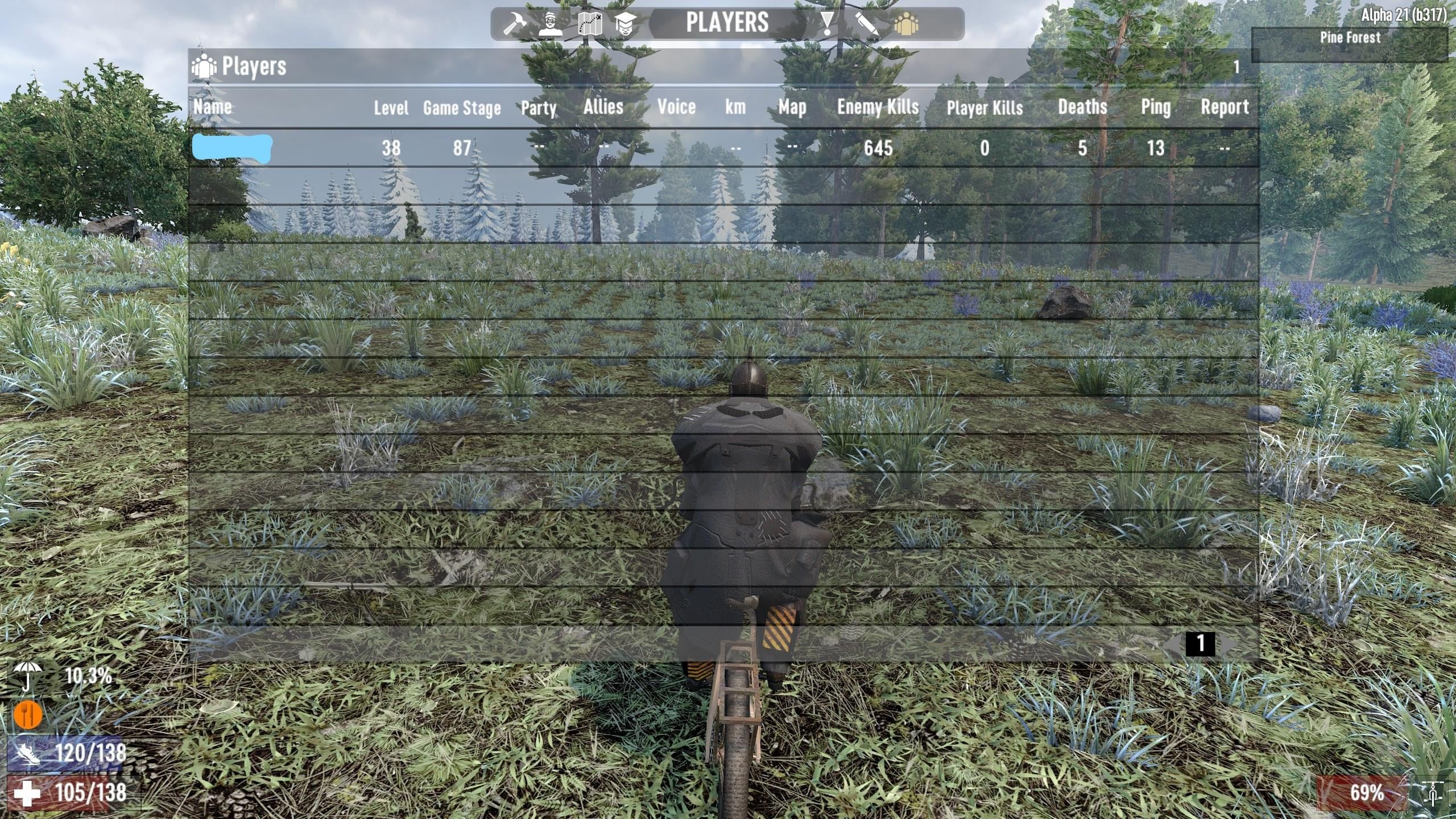
Game stage in 7 Days to Die is a hidden numerical value that increases over time and with certain actions, influencing the difficulty of zombies, loot quality, and the frequency of special events.
Ever wondered why those early zombies felt like a gentle breeze, and now they are relentless hordes? It’s all because of the game stage system in 7 Days to Die. This hidden number dictates many core elements of your gameplay experience. What is game stage in 7 days to die, you ask?
It’s not a visible stat, but its impact is huge. The game stage directly affects how tough zombies are, the quality of items you find, and how often you face intense moments. It’s a crucial mechanic to understand if you want to survive.

What is Game Stage in 7 Days to Die?
Okay, let’s talk about Game Stage in 7 Days to Die. It’s like a secret score that the game keeps track of, and it’s super important for how hard the game gets. Think of it like leveling up, but instead of just your character, the whole world is leveling up alongside you! It makes the game more challenging, but also more fun because you get better loot and tougher zombies.
Understanding the Basics of Game Stage
Game Stage isn’t something you see on a screen all the time, but it’s always working behind the scenes. It’s a combination of things like how many days you’ve survived, how many players are in the game, and what level they are. The higher your game stage, the harder the zombies become, and the more of them show up at night and during the dreaded “Blood Moons.” Knowing about Game Stage helps you plan your defenses and prepare for the challenges ahead.
What Factors Influence Your Game Stage?
Several things make your Game Stage go up. These include:
- Day Count: Each day you survive increases your Game Stage. The longer you play, the harder things get, naturally. It’s like the game saying, “Okay, you’re getting good, let’s see how you handle THIS!”
- Player Level: The level you’ve achieved with your character greatly influences your game stage. The higher your level, the more of a challenge the game will throw your way. Think of it as the game figuring out how much you can handle. If a player is level 100, the game stage increases more rapidly than it would for a player at level 20.
- Number of Players: The number of players in your game makes a difference too. The game scales the difficulty based on how many of you are playing, assuming you’ll be able to take on more challenges as a group. A group of 4 people, even at low level, will increase the game stage faster than a solo player.
It’s not just about individual progress; it’s about the overall strength of your group. All these factors work together, creating a constantly adjusting difficulty level.
How Game Stage Impacts the Game
So, how does this Game Stage thing actually make the game different? Well, it affects a few important things:
Zombie Difficulty
The biggest effect of Game Stage is on the zombies you encounter. As your game stage climbs, zombies become tougher in a few ways:
- More Health: They can take more hits before going down. You might need better weapons or more ammo to deal with them.
- Deal More Damage: They’ll hit you harder when they get close, making it important to upgrade your armor and defenses.
- Increased Speed: They move faster, so you have to be quicker on your feet and have better escape routes.
- Special Zombie Spawns: More special zombies, such as the exploding ones (Demolishers), the fast ones (Ferals), or the spitting ones (Radiated), will show up, making the game more unpredictable.
High-level zombies can be a real threat, even if you feel comfortable with the lower-level versions. Understanding what each type can do, and how many spawn based on your game stage, can help your survival.
Blood Moon Horde Size and Composition
The Blood Moon is when the game sends waves of zombies at you, and it’s where the Game Stage really shows its power. The higher your game stage:
- More Zombies: The hordes will be much larger, with more and more zombies coming after you. This can be intense!
- More Variety: You’ll see more types of zombies in the horde, making it harder to predict what’s coming. It’s not just regular zombies; you’ll get more ferals, irradiated zombies, and maybe even a demolisher or two.
- Stronger Zombies: Even the basic zombies will be much stronger, meaning you need to be extremely prepared with traps, weapons, and a well-fortified base.
These changes force you to upgrade your defenses and rethink your strategies for Blood Moons. A base that worked great at day 7 might not stand a chance at day 50 with a high Game Stage.
Here’s an example to illustrate how Game Stage affects Blood Moons:
| Game Stage | Blood Moon Size | Zombie Variety | Zombie Strength |
|---|---|---|---|
| Low (Days 1-7) | Small horde, mostly basic zombies | Mostly normal zombies, few variations | Relatively weak |
| Medium (Days 20-30) | Moderate sized hordes | Mix of normal zombies, feral zombies, some radiated | Moderately strong |
| High (Day 50+) | Very large horde, including special variants | Wide variety, including special and demolisher zombies | Very strong, hard to kill |
Loot Quality and Quantity
It’s not all about making the game harder; your Game Stage also helps you get better stuff. Higher Game Stage often means:
- Better Loot in Containers: Crates, chests, and other containers will have better loot more often. You’ll find higher-level gear, better weapons, and more crafting materials.
- More Loot from Zombies: Zombies have a chance to drop better loot as well. This can make fighting them even more worthwhile. It’s not just trash; you might find rare weapon mods or armor.
- More Rare Item Spawns: Some rare items will start showing up more frequently as the game progresses. This means you have a chance to find very powerful equipment.
This means that, as the game gets harder, it also gives you better tools to handle that difficulty. It’s a constant cycle of challenge and reward.
Game Stage and Player Level Discrepancies
Sometimes, the Game Stage can feel a little out of sync with the level of different players in a multiplayer game. For example, imagine a high level player joining a game with new low level players. Here’s what might happen:
High Level Players Joining Low-Level Games
If a higher-level player joins a game with low-level players, the game stage will increase, and it can make things harder for the lower-level players. The game balances the difficulty based on the average level of all players and the days passed. This means even very low level players can see an increase in the strength and number of zombies which can be very overwhelming.
Strategies for Level Discrepancies
Here are few solutions that can help players if a higher level player joins a lower level game:
- Teamwork: Low-level players should stick with higher-level players, letting them handle the toughest zombies. This helps them level up faster and stay safe.
- Base Defense: Higher level players should help build defenses around the base to protect new players. A solid base is important no matter the game stage.
- Crafting Help: Experienced players can help the newer players get better weapons and armor. Better gear makes all the difference when zombies get stronger.
- Resource Sharing: Advanced players can share resources, ensuring everyone has enough to make needed items or to repair gear.
It’s all about communication and helping each other out to overcome the challenges presented by the Game Stage. It’s important to adapt your strategy based on the unique mix of players in a multiplayer game.
How to Manage Game Stage
While you can’t directly change your game stage, you can take actions to help manage its impact. Here are some ideas:
Focus on Base Defense Early On
A strong, well-defended base is your first line of defense. Spend resources early to build strong walls, traps, and defensive structures. This will save you grief when hordes come at night and on Blood Moons.
Upgrade Your Gear Regularly
Always look for ways to upgrade your weapons, armor, and tools. Better gear can make a big difference when facing tough zombies, so take the time to scavenge and craft better items.
Strategic Looting
As you find better loot, save the best items for the tougher challenges. Don’t waste ammo on weaker zombies if you can help it. Knowing where to loot and when can help keep you supplied for the tough challenges.
Plan for Blood Moons
Never go into a Blood Moon unprepared. By Day 7, you should have a strong base and be ready for an onslaught of zombies. Each 7 days you will need to continue making adjustments to your defenses to be ready for increasingly difficult Blood Moons.
Learn Zombie Behaviors
Understanding how different zombies attack and move will help you create effective defenses. Certain areas of your base should not be accessible from certain directions to keep your base as safe as possible.
Advanced Game Stage Mechanics
For experienced players, it’s helpful to understand a few advanced Game Stage details:
The Game Stage Cap
There’s a limit to how high your Game Stage can go. Once you reach a certain point, it won’t get much more difficult. This doesn’t mean the game gets easy; it just means the difficulty levels out after a certain point.
Game Stage and Random Events
The Game Stage impacts the types of random events you encounter, such as hordes appearing during the day or special zombie encounters. Knowing the different types of events and how to handle them is crucial for long-term survival.
The Impact of Difficulty Settings
The difficulty settings you choose before starting a new game will have an impact on how quickly the Game Stage advances. Playing on harder difficulty settings will make the Game Stage increase quicker compared to playing on easier difficulty settings. Players who like a fast pace challenge are welcome to play on a harder difficulty, while new players should start with the easiest difficulty to learn the game.
Game Stage is a really important part of 7 Days to Die. It’s what makes the game feel challenging and gives you reasons to keep improving. By knowing how it works, you can plan your strategies, manage your resources, and build your base effectively. This will help you get further and further in the game! So don’t get overwhelmed, understand your Game Stage and you will make the most out of this fun zombie survival game.
How Heat, Horde Night, and Gamestage Work In 7 Days to Die (Alpha 21)
Final Thoughts
Game stage in 7 Days to Die represents the overall difficulty progression. It increases as days pass and players level up, impacting zombie strength and horde frequency. A higher game stage means tougher enemies appear more often.
Understanding game stage helps prepare for challenges. Knowing what is game stage in 7 Days to Die enables better resource management and base defenses. It’s crucial to plan accordingly for survival.

