
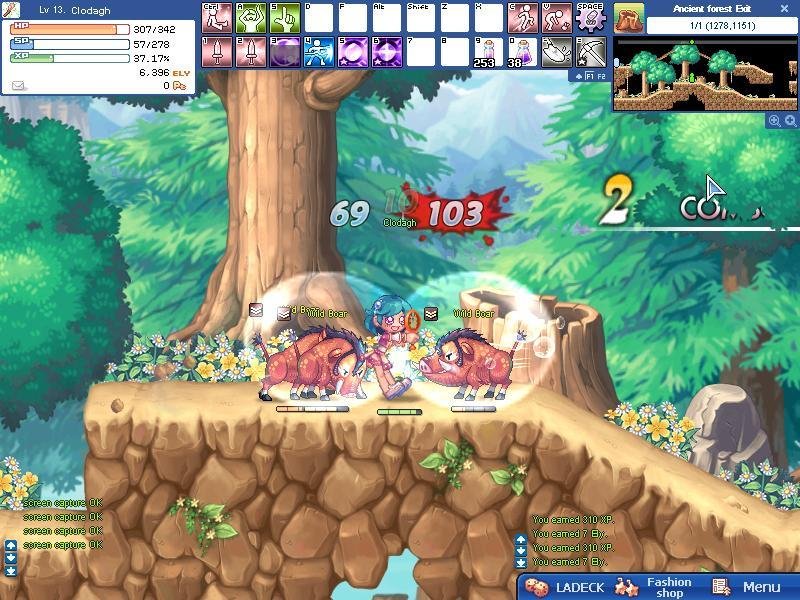
HP in games represents a character’s health points, a numerical value that decreases as they take damage and reaches zero when they are defeated.
Ever wondered about those bars or numbers that keep track of how well your character is doing in a game? Well, that is your health, often abbreviated as HP. Understanding what is hp in games is really fundamental to grasping any game mechanic.
These health points measure how much damage your character can withstand before they are defeated. You see this in action when your character battles opponents and receives wounds.
The goal, of course, is usually to keep your HP above zero while reducing your enemies’ HP to zero, thereby winning the game.

What is HP in Games?
Have you ever played a game where your character gets hurt? Maybe a monster hit you, or you fell from a great height. In many games, there’s a special number that shows how much damage you can take before your character is in trouble – that number is called HP. HP stands for Hit Points or Health Points. It’s like your character’s life bar; it tells you how much “life” they have left. Understanding HP is important because it helps you figure out when to fight, when to run, and when to use healing items. It’s a super important part of almost every kind of game, from simple phone games to huge adventures on consoles.
The Basics of Hit Points
Imagine your favorite video game character is a superhero. This superhero has a certain amount of energy that allows them to keep fighting. That energy is what we call HP. When your character gets hit or takes damage, their HP goes down. If their HP reaches zero, it means your character is either defeated, or they need to be healed by another player or item to rejoin the battle. It’s like a health meter that keeps track of how much fight they have left inside them. Knowing your HP and the HP of your enemies is super important for success in any game.
HP in Different Game Genres
HP isn’t the same in every game. It changes based on the type of game you are playing. For example, a fighting game might show HP as a bar that gets shorter every time you get hit, while a role-playing game might show HP as a specific number that decreases with each attack.
- Action Games: In fast-paced action games, HP bars are common. They show you very quickly how much health you have left so you can make fast decisions.
- Role-Playing Games (RPGs): RPGs usually show HP as a number, which allows for more specific planning and strategic gameplay. It’s easier to track damage and decide when to use healing spells.
- Strategy Games: Strategy games can have HP for individual units, buildings, or even your main base. This is very important because it determines how long your items will last against enemies attacks.
How Does HP Work?
Let’s go deeper on how HP actually works in games. Think of it as a measure of your character’s ability to withstand punishment. Several factors can affect how HP works and how it changes during gameplay.
Factors Affecting HP
Many things influence how much HP your character has and how it changes. Here are some of the key points to know:
- Starting HP: Most characters start with a certain amount of HP. This number is often different for each character depending on their class or role. A strong tank character will have more starting HP than a sneaky rogue character.
- Damage: When your character gets attacked, the damage is taken away from their current HP. The amount of damage is usually determined by the strength of the attack. A big, scary monster might do a lot of damage, while a small creature might only do a little.
- Healing: Healing items or abilities can bring your HP back up. There are lots of ways to restore health, from potions and bandages to magical spells and helpful teammates.
- Armor and Defense: Armor or special abilities can help reduce damage taken. If your character is wearing strong armor, it will reduce the amount of HP they lose when hit.
- Leveling Up: As your character gets stronger by defeating enemies, their maximum HP will often increase, allowing them to take more damage. This makes them more prepared for tougher challenges.
HP and Gameplay Strategy
Understanding HP isn’t just about knowing a number. It changes how you play the game. When you’re low on HP, it’s time to play more carefully. Think of it like this: if you’re playing a game of tag and get tagged many times, you need to move slow so that you don’t get tagged again, similarly, in a video game when you are low on HP you need to play safely.
Example Strategies:
- Knowing your Limits: If your character is low on HP, you might need to avoid fights and look for health items instead.
- Prioritizing Targets: If you see a monster with low HP, it is a good strategy to take it out as soon as possible so it doesn’t hurt you more.
- Using Healing Wisely: Save your healing items or skills for when you really need them. Don’t use a big healing potion after taking one small hit.
Different Types of HP Systems
While the basic idea of HP stays the same, there are some different ways game developers use it.
Numerical HP
This is a very common way to show HP. It uses numbers to show the exact amount of health a character has. For example, if you have 100 HP and take 20 damage, your HP will decrease to 80.
Bar-Based HP
A bar shows how much HP you have. As your character takes damage, the bar decreases. This is a more visual way to show HP, so you can see the health quickly. Often the bar is green at full health and changes colors like yellow or red when getting closer to zero.
Segmented HP
In some games, HP is shown in sections. Each section usually means a specific health level. When a character takes a certain amount of damage, a section of health is lost. This type is often used in boss battles.
Permanent vs Temporary HP
Games sometimes use a system that has both a primary or permanent HP and also temporary HP. Temporary HP is often given through items or special abilities that provide an additional “shield” that goes away after a short time or with damage. When temporary HP goes to zero, your real HP takes damage.
HP Management in Games
Managing your HP is important to be good at games. It’s not enough to know your HP number; you need to also actively manage it. Here are some important points:
- Health Monitoring: Always keep an eye on your HP, as getting too low means your character might be in danger.
- Resource Management: Healing items are often limited, so you should be smart on when and how to use them. Don’t use them when you just get small amount of damage; instead use them when you really need them.
- Strategic Positioning: If your character is low on HP, try to hide or stay away from the enemies. Use objects around you as cover. This can allow you time to heal or for your HP to regenerate over time.
- Learning Enemy Patterns: Understand how the enemy attacks. Knowing when the enemy does a lot of damage can help you avoid taking damage.
- Character-Specific Skills: Some characters are better at healing than others. Use the character skills and special abilities to manage your health effectively.
HP in Multiplayer Games
HP is super important in multiplayer games, where you are playing with or against other people. Here’s why:
- Team Coordination: You need to keep track of your teammate’s HP. You must heal or protect them if they are taking too much damage.
- Enemy Targeting: When fighting other players, you want to target players who are low on HP first to quickly remove them from the fight.
- Healing Support: Having a teammate who is good at healing can really help your team stay alive longer.
Beyond the Basics: Complex HP Systems
Sometimes, games add special twists to HP systems to make them more challenging or interesting. Here are some examples:
Status Effects
Status effects can temporarily change your HP. For example, poison can slowly reduce HP over time, while bleeding might increase damage taken. These can make managing your HP much more challenging.
HP Regeneration
Some games let your HP slowly go back up over time. This is useful, since you don’t have to keep using items or abilities to stay healthy. This can help you survive in games, allowing you to stay in a fight longer.
Max HP Increases and Decreases
Certain items, special abilities, or character levels might increase or decrease your maximum HP. This adds another layer of strategy as you want to increase the maximum HP to make sure you can last longer in battles.
Armor as HP
In some games, your armor acts like an additional HP bar that is depleted first before damage is taken from your regular HP. This allows you to stay healthy in battle for longer periods of time.
HP as a Resource
In a few games, you might have to use HP as a resource to do certain actions. This can make the game more challenging since you have to think of when you want to use your abilities, and when you need to save health.
The Importance of HP for Game Design
HP is not just a number that developers randomly add to games. It is a core gameplay mechanic that allows the game to be balanced and gives the players a sense of progression and challenge.
- Difficulty Scaling: Game developers use HP to control how hard the game is by controlling enemy HP or by changing the amount of damage that players do.
- Strategic Depth: Understanding HP helps players strategize about when to attack, when to heal, and when to run. This creates more depth in the gameplay experience.
- Progression: Players feel that they are growing stronger when they level up and gain more HP, as they can then survive more damage.
- Balancing Character Roles: Different characters or classes with different HP and healing abilities add a great amount of diversity to games that have multiple characters.
HP and Story Telling
HP is also part of the storytelling. Losing HP can represent your characters becoming tired, hurt, or weaker. This helps you create a better connection with the characters and adds a layer of emotion to the gameplay. For example, if you are low on HP, the music might change to a more intense tone to add to the feeling of danger.
In Conclusion, HP in games is way more than just a number. It’s the heartbeat of the game’s challenge, progression, and strategy. Understanding how HP works allows players to plan their moves, manage resources and overall enjoy the game to the fullest. Whether you’re a new or seasoned gamer, understanding HP is important to be good at any game you decide to pick up.
HP in Video Games
Final Thoughts
Essentially, hp in games represents a character’s health or life force. When a character sustains damage, its hp decreases. Zero hp typically means the character’s defeat or death.
This mechanic creates challenge and risk in gameplay. Players must manage their hp to survive. ‘what is hp in games’ is fundamental to understanding core game systems.

