
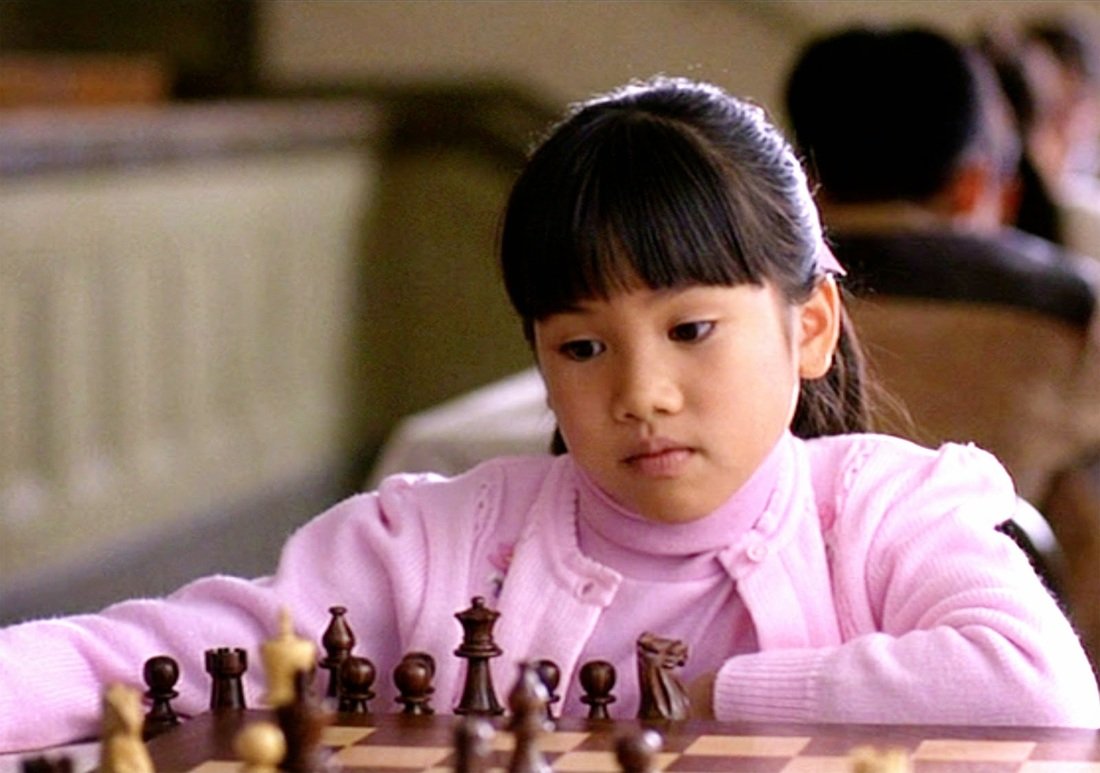
The invisible strength in “Rules of the Game” is Waverly’s ability to manipulate situations and people, particularly her mother, using a quiet, strategic approach, rather than direct confrontation.
Have you ever wondered about the power that lies beneath the surface? Amy Tan’s “Rules of the Game” beautifully illustrates this concept. The story really gets us thinking about what is invisible strength in rules of the game. This concept isn’t about raw power, but a subtle control that operates almost unnoticed. It’s a fascinating exploration of how one can achieve their goals without resorting to overt action.

What is Invisible Strength in Rules of the Game?
Imagine you’re playing a game, maybe chess or even hide-and-seek. You know the rules, right? But what if there was something more than just the rules? Something you couldn’t see, but could feel? That’s what we call “invisible strength.” In Amy Tan’s story, “Rules of the Game,” invisible strength isn’t about superpowers; it’s about the power of understanding and using unspoken things to get what you want.
Understanding the Concept of Invisible Strength
Invisible strength is tricky because it’s not something you can touch or see. It’s more about how you think and act, and how you use other people’s expectations to your advantage. Think of it like a secret strategy. You might not be the strongest or the loudest, but you can be incredibly powerful if you understand how to use this “invisible” force. It’s like having a superpower, but the power is in your mind and actions, not in your muscles or magic.
Let’s break it down further:
- It’s not about brute force: You’re not overpowering others.
- It’s about understanding: You figure out what makes people tick.
- It’s about strategy: You plan your moves carefully.
- It’s about using silence: Sometimes saying less is more powerful.
In the “Rules of the Game” story, Waverly uses these concepts to become a chess champion. She learns that you don’t always need to be loud or pushy to get what you want. Sometimes, the quiet and thoughtful approach works best.
Waverly’s Journey: A Case Study of Invisible Strength
Waverly, the main character in “Rules of the Game”, demonstrates invisible strength beautifully. From a young age, she pays close attention to her surroundings, learning the “rules of the game” not just in chess but also in her family and community. Let’s explore specific examples from her life that demonstrate this.
Learning from the Environment
Waverly doesn’t just learn chess moves; she learns about how people behave. She observes her mother, her brothers, and the people in her Chinatown community. She notices that her mother values respect and following traditions. This helps her later in navigating family relationships. She learns to use these unspoken “rules” to gain what she wants.
For example:
- Observing her brothers: She notices how her brothers behave and how her mother reacts to their actions. This helps her understand the dynamics within her family.
- Watching the community: She sees how the people in Chinatown interact, learning the cultural expectations and values that shape their interactions. This helps her in the chess world where it is important to understand opponent’s behavior.
Applying Invisible Strength to Chess
Waverly’s most obvious use of invisible strength is in the game of chess. She doesn’t just move pieces randomly; she studies her opponents carefully. She learns their styles, their weaknesses, and uses this information to her advantage. She isn’t loud about her plan, she is a silent observer.
- Silent moves: She often makes silent, unexpected moves that confuse her opponents.
- Analyzing opponents: She doesn’t just play the game, she studies her opponents. She learns to anticipate their moves.
- Using silence: She doesn’t boast or brag, even when she wins. This keeps her opponents guessing.
This approach makes her a very strong chess player. Even her opponents are often caught off-guard by her calm and thoughtful approach. She knows that loud and obvious tactics might work sometimes, but they’re not always the smartest way to win. It is the same as if she knew the invisible rule of that game.
The Power of Subtlety and Silence
One of the biggest components of invisible strength is understanding the power of subtlety and silence. It’s about doing more with less. Sometimes, the quietest person in the room is the most powerful. It is all about the silent game rather than shouting out loud.
Why Silence Works
- Intimidation: When you’re quiet, people don’t know what you’re thinking. This can be intimidating.
- Observation: It gives you time to watch others and learn from their mistakes.
- Surprise: When you finally do speak or act, it has more impact because it’s unexpected.
Waverly uses silence to her benefit in many ways. She lets her chess skills do the talking rather than constantly bragging about her abilities. When she doesn’t always give her opinion, people become even more curious and more attentive towards her.
Subtlety as a Technique
Subtlety is all about doing things in a way that isn’t obvious. It’s like using a secret code. Instead of being direct, you might hint or suggest things. People often respond well to this, even without realizing it. Waverly’s mother, for instance, uses this approach to control and guide Waverly. And Waverly learns this approach and uses it in the chess world to win the games.
Here’s a simple table showing the difference between direct and subtle actions:
| Direct Action | Subtle Action |
|---|---|
| Shouting to make your point | Speaking quietly and confidently |
| Forcing your opinions on others | Suggesting ideas and letting others consider them |
| Being overly expressive | Maintaining a calm and collected demeanor |
As you see, subtlety is all about control, the control that comes from not revealing everything. It allows a person to be strategic and effective without a person’s having to announce all their plans.
Cultural Context and Invisible Strength
The concept of invisible strength in “Rules of the Game” is also influenced by cultural context. Waverly’s Chinese heritage plays a big role in how she learns and applies this kind of power. In her culture, being respectful and reserved is highly valued. This cultural background helps her understand the power of silence and the importance of not being too flashy.
The Value of Respect
In many cultures, especially older generations, showing respect is very important. This often means not questioning authority or being overly assertive. Waverly learns this at a young age and knows that being respectful and quiet can get her what she wants. She shows respect to her elders, which earns their respect in return. She also shows respect to the game of chess by analyzing it deeply, which earns her victories.
The Importance of Not Showing Off
In Waverly’s culture, showing off is considered bad. It’s better to be modest and let your actions speak for themselves. Waverly embodies this principle. She doesn’t brag about her chess skills. Instead, she lets her performance prove her worth. This is a big aspect of her invisible strength—she allows her actions to speak for themselves, and therefore her strength cannot be questioned.
Invisible Strength Beyond the Game
Although “Rules of the Game” revolves around chess, the idea of invisible strength can be applied to many different situations in life. It’s not just about winning games; it’s about navigating life’s challenges in a smart and effective way.
In School and Learning
You can apply invisible strength in your studies by:
- Paying attention in class: Really listen to your teachers.
- Studying quietly and consistently: Don’t just cram at the last minute.
- Asking questions at the right time: Sometimes the best questions are the ones you ask when the time is right.
It’s about observing your teachers’ methods, understanding the best ways to study, and then applying them subtly in a way that allows you to excel.
In Relationships and Friendships
Invisible strength can also help you with your friendships and family relationships:
- Listening to understand: Don’t just listen to respond; listen to truly understand your friends.
- Being there without being pushy: Offer help, but don’t force it on them.
- Choosing your words carefully: Consider your words, and when to speak, or to be silent.
Being a good friend or family member doesn’t always mean being loud and dramatic. Sometimes, it’s the quiet, thoughtful actions that matter most.
Developing Your Own Invisible Strength
So, how can you improve your own invisible strength? It’s not something that comes naturally to everyone, but you can grow it with practice and thought. It’s all about the mental game rather than just physical strength.
Tips for Growth
- Practice Observation: Pay attention to your surroundings. Notice how people react to different situations.
- Learn to be Quiet: Practice being silent sometimes. Listen more than you talk.
- Think Before You Act: Don’t make impulsive decisions. Plan your actions carefully.
- Be Patient: Invisible strength takes time to develop. Don’t expect immediate results.
- Be Respectful: Showing respect is essential in many cultures and allows you to gain respect in return.
Developing invisible strength is like learning a secret code. The more you practice, the better you become at understanding and using it to your advantage. Remember, it’s about being smart, thoughtful, and strategic.
In essence, invisible strength, as portrayed in “Rules of the Game,” is a powerful tool. It’s about the art of quiet understanding, strategic thinking, and using silence to your advantage. Waverly’s journey teaches us that real strength isn’t always about being the loudest or the most forceful; it’s often found in the subtlety and strategy behind our actions. It is about control, but the control that you don’t reveal to anyone. By understanding and applying these principles, we can gain a kind of inner power that helps us navigate challenges and achieve our goals, both on and off the chessboard. It’s a skill that, like Waverly’s chess expertise, gets better with practice, and one that will always be useful, no matter what game we’re playing in life.
Rules of the Game analysis Part 1
Final Thoughts
Invisible strength in “Rules of the Game” is the subtle power of cultural expectations and familial pressures that shape Waverly’s chess prowess. She skillfully navigates these unspoken forces, using them to her advantage. Waverly’s silent compliance and strategic thinking at home fuel her success on the chessboard.
The story highlights how these unseen dynamics impact Waverly’s self-perception and ambition. ‘what is invisible strength in rules of the game’ isn’t merely about winning; it’s about understanding and manipulating the underlying power structure. She must navigate these rules to achieve her goals.

