
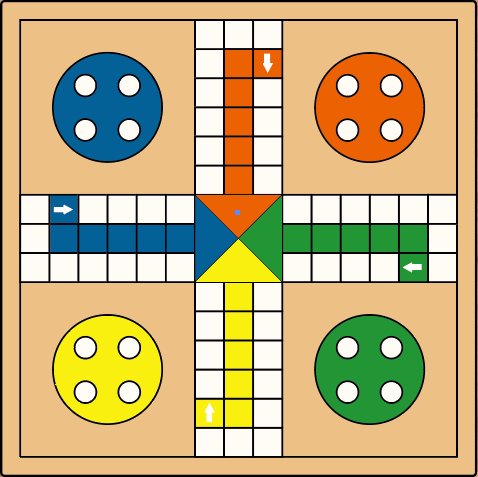
Ludo game is a board game for two to four players, where they race their four tokens from start to finish according to dice rolls.
Have you ever wondered about the classic board game that brings families and friends together? Many people ask, what is ludo game? It’s more than just a game of chance. It has simple rules yet provides exciting competition.
Ludo involves a board, a die, and tokens for each player. Each player moves their tokens around the board to reach the center. The goal is to be the first player to move all tokens to the finish line.

What is Ludo Game? A Fun Journey into the World of Dice and Strategy
Ever rolled a dice and felt that tiny bit of excitement? That’s the feeling at the heart of Ludo! It’s more than just a game; it’s a timeless classic that has brought joy to families and friends for generations. But what exactly is Ludo? Let’s dive in and explore this fantastic board game together.
The Basics of Ludo: A Simple Concept with Endless Fun
At its core, Ludo is a strategy board game played with two to four players. The objective is simple: race all your four tokens from your starting point, around the board, and into your home before your opponents do. The game uses a standard six-sided die to determine how many spaces each token moves. It sounds easy, right? Well, there’s a little more to it than just rolling and moving!
The Ludo Board: Your Battleground
The Ludo board is square-shaped with a cross pattern, creating four arms. Each arm features a path of squares that tokens travel along. The board also includes four colored corners, each representing a player’s starting area and final home. Each player selects a color (usually red, blue, green, or yellow) and has four tokens of that color. The goal is to get all your colored tokens from the starting point to your home space by rolling the dice. If you land on an opponent’s token, you send them back to their starting area, making your journey much easier.
Token Movement: Step by Step
Players take turns rolling the die. When a player rolls a six, they can bring one of their tokens out of their starting area onto the first square of the path. If they roll any number other than a six, they move one of their tokens already on the board that many spaces. A six lets the player roll the dice again, giving them another turn, meaning they could bring another token out, move one already on the board, or even potentially move two tokens in that same turn! It’s all about using the numbers you roll to your advantage.
The tokens travel along the path in a clockwise direction. Once your tokens complete a circuit of the board, they reach your color’s home path to move into your home space. You must get the exact number you need in order to move a piece up each of those steps to get home.
Key Components of the Ludo Game
Understanding the different parts of the game makes it much easier to play. Here’s a breakdown of the essential elements:
- The Board: A square board divided into a cross-shaped path with four distinct colored starting areas and home bases.
- Tokens: Four tokens per player, each in one of the game’s four colors.
- The Die: A six-sided die used to determine the movement of tokens.
- Starting Area: Each player’s colored starting area, where their tokens begin the game.
- Home Path: The four-square path that leads to the home space for each player.
- Home Space: The final destination for each token.
How to Play Ludo: A Step-by-Step Guide
Let’s break down the gameplay so you can start playing right away:
- Get Ready: Place the game board on a flat surface and give each player their four tokens of the same color. Place your tokens in your respective starting areas.
- Starting the Game: Decide who goes first (often the youngest player). Players take turns in a clockwise direction.
- Rolling the Die: On your turn, roll the six-sided die.
- Moving Tokens:
- If you roll a six, bring one token out from your starting area onto the first square of the path. You also get another roll, this could mean moving another piece out or start to move a piece that is already on the track.
- If you roll any number other than six, move an already out token that many spaces along the path.
- Capturing Opponent’s Tokens: If your token lands on a square occupied by an opponent’s token, the opponent’s token is sent back to its starting area. This can be a key strategy in the game and can turn the tide in your favor.
- Reaching Home: Once your token completes a full circuit of the board, move it into your home path. You need an exact number to move it into each square along the home path until your token reaches the home square. Once all four tokens are in home you win the game!
- Winning the Game: The first player to get all four tokens into their home space wins the game!
Strategies and Tactics: More Than Just Rolling
While Ludo depends on the roll of the die, it’s not entirely luck-based. There are strategies that can improve your chances of winning:
Token Management
Don’t rush to get all your tokens out right away. Sometimes it’s a good idea to get one token far enough ahead on the path to give yourself a strategic advantage. Having more tokens on the board means more options, but it also means more tokens that can potentially be sent back to the start. Find the right balance between getting the tokens out and moving the ones already out around the board.
Blocking Opponents
Placing your tokens strategically can block your opponent’s path. If you get in their way, you can make it harder for them to get their tokens further around the board. Of course, be careful your opponent doesn’t do the same thing to you.
Safe Spots
There are “safe spots” marked on the board, often with stars or other symbols. These are areas where your tokens can’t be captured by your opponents. Try to use these places strategically for your tokens.
Dice Control (Kind of)
While you can’t physically control the dice, you can think about which token to move based on the number you’ve rolled. Sometimes moving one token is far better than another. It’s all about making the smart play given the dice roll.
Ludo Variations and Regional Differences
Ludo is a global game, and like many classic games, it has several variations and regional adaptations. The rules are mostly the same, but different places have different names for the game and may use a slightly different set of rules. Here are some notable variations:
Parcheesi
Parcheesi is an American version of Ludo. It has slightly different rules, like using two dice instead of one and having a different layout for the safe spots. This variation often involves more strategic gameplay.
Pachisi
Pachisi is the ancient Indian version of the game. It’s often played with cowrie shells instead of dice. It also may have slightly different board layouts. Pachisi is considered the game that led to the Ludo game as we know it today.
Uckers
Uckers is another variation of the game that is quite popular in the United Kingdom and among members of the British Royal Navy. It involves strategic elements that make it much more interesting. This game, often involving two players each controlling two sets of pieces, introduces a more complex element of gameplay where you can form blockades.
Other Regional Names
Many countries and regions have their own names and subtle variations of Ludo. It goes by names like “Fia” in Sweden, “Mensch ärgere Dich nicht” in Germany, “Non t’arrabbiare” in Italy, and “Le Jeu de Dada” in France, just to name a few. All of them are quite similar to the Ludo game as we know it.
The Enduring Appeal of Ludo
Why has Ludo remained so popular across so many generations? It has several factors contributing to its timeless appeal:
Simplicity
The rules of Ludo are simple enough that even young kids can quickly understand and play, making it an excellent game for family fun and gatherings. The game is easy to pick up but hard to perfect.
Strategy and Luck
While luck plays a significant role because of the dice, there’s also strategy involved in deciding which tokens to move and when. This makes each game different and interesting.
Social Interaction
Ludo is a very social game. Playing with friends and family is a great way to spend quality time together. The game often brings about a friendly competition among people. This social aspect of the game has kept it relevant.
Accessibility
Ludo can be played almost anywhere. All you need is a board, tokens, and a die. It doesn’t require any special setup, and you can play on the floor, table, or even while traveling. Ludo is now easily accessible through the mobile app store. So, you don’t even need a board anymore.
Ludo: More Than Just a Game
Ludo is not only a fun game but it can teach you a lot of skills. These skills can be useful for playing other games as well as for your daily life. Here are a few things Ludo teaches us:
Patience and Perseverance
Sometimes you need to wait for the right number to be able to move your tokens. Sometimes, a little bit of perseverance can help you win the game even when you’re not having much luck in the beginning.
Strategic Thinking
You have to decide which token to move, when to move them and when to capture other tokens. Thinking strategically gives you an advantage and also helps you when you play other games.
Sportsmanship
Ludo can be competitive, but it’s also important to play fair and be a good sport. You learn how to win graciously and how to handle losses with grace.
Math Skills
Ludo helps you improve basic addition and counting skills. You have to add the numbers of the dice roll and make decisions on the moves. You also have to be able to strategize your moves, and this is why Ludo can enhance your strategic thinking.
Ludo in the Digital Age
Ludo has made a successful transition to the digital world. Now, you can find several Ludo apps on smartphones and tablets. These digital versions retain the simplicity and fun of the classic board game while allowing players to connect and play with others globally. Some advantages of playing Ludo online:
- Playing with Friends (Remotely): You can play with friends and family who are in different locations.
- Playing with Strangers: You can play with people from all over the world, expanding your community and competition.
- Convenience: You don’t have to set up the board, you can just start playing online anytime you want.
- Different Game Modes: Some apps feature various game modes such as fast matches and even challenges.
These digital adaptations make it possible for the game to continue to evolve and reach even more players, maintaining its status as a beloved classic.
Fun Facts about Ludo
- Ancient Origins: Ludo evolved from the ancient Indian game, Pachisi.
- Global Popularity: It’s played in numerous countries around the world, each with its own name for the game.
- Variations Galore: Many adaptations of Ludo exist, like Parcheesi and Uckers, each with unique twists.
- Dice Rolls: If you have to roll a six in order to get your piece out, and you keep rolling a five, that means sometimes even with no strategic mistakes you will still not win!
- Family Tradition: Ludo is a popular pastime for families, fostering moments of togetherness and friendly competition.
So, what is Ludo? It is much more than just rolling a dice and moving pieces on the board. It’s a game that combines luck and strategy. It’s a great way to spend time with loved ones. It’s also a game that can be enjoyed by all, from children to adults. It is a game that has a long and fascinating history, and it continues to evolve and entertain us even today.
In short, Ludo is a wonderful game that keeps people coming back for more, game after game.
How to Play Ludo
Final Thoughts
Ludo is a classic board game for two to four players. Players race their four tokens from start to finish. The gameplay involves dice rolls and strategic moves. Capturing opponents’ tokens is also a key element.
This simple yet engaging game has enjoyed global popularity for generations. It provides fun and friendly competition. ‘What is ludo game’ is often answered with descriptions of this timeless family entertainment.

