
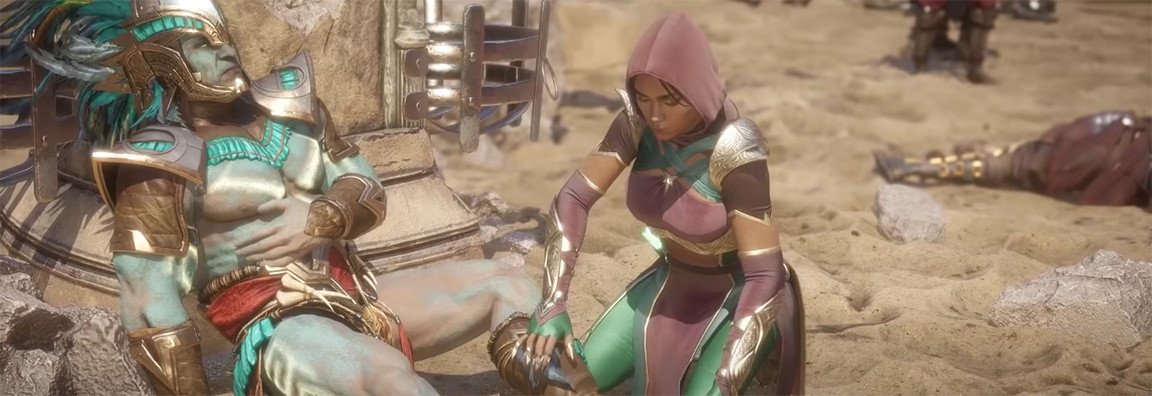
Oki in fighting games refers to the actions a player takes immediately after knocking down an opponent, aiming to maintain offensive pressure and potentially secure further damage.
Have you ever found yourself on the receiving end of a relentless attack after hitting the ground in a fighting game? That constant pressure you feel might just be thanks to “oki”. Understanding what is oki in fighting games is crucial for both offense and defense. It’s not just about getting a knockdown, it’s about what you do next.
Effective oki can dictate the flow of a match. Learning the timing and options available to both you and your opponent after a knockdown adds a new layer of strategic thinking to every match.

What is Oki in Fighting Games?
Okay, let’s talk about “oki” in fighting games. If you’re new to the scene, you might hear this term thrown around a lot, and it can sound a bit confusing. Oki, short for “okizeme,” is a Japanese word that essentially means “wake-up pressure.” It’s a super important part of most fighting games, and understanding it can really boost your gameplay. Think of it as the game after you knock someone down; what happens when they try to get back up. It’s all about setting up an advantage and keeping your opponent on the defensive. So, let’s dive deep and see what makes oki such a crucial aspect of fighting games.
The Core Concept of Okizeme
At its heart, okizeme is about controlling the situation after a knockdown. You’ve successfully landed a hit, maybe a big combo, and your opponent is now on the ground. This isn’t just a moment to breathe; it’s your chance to apply pressure and keep them guessing. The core idea is to make their wake-up period as difficult as possible. This means that instead of letting your opponent freely get up and reset the neutral, you try to force them into your next attack or mix-up.
Essentially, when you perform okizeme, you’re trying to gain a bigger advantage with a well-planned offense. Good okizeme can lead to more knockdowns, creating a continuous cycle of pressure and control. That’s why players put in so much effort to master it.
Why is Oki So Important?
Okay, you might be thinking, “Why not just let them get up?” Well, that’s like giving your opponent a free pass! Good okizeme is the key to maintaining control and racking up damage. Here’s why it’s so important:
Maintaining Offense: Instead of returning to a neutral state, good okizeme keeps the pressure on your opponent, forcing them to react to you rather than the other way around. This is a lot better than going back to square one every time you knock them down.
Mix-ups: Wake-up is the perfect time for mix-ups! Mix-ups are basically confusing your enemy by hitting them with low, medium and high moves, making it difficult for them to block your attack. This forces them to guess. The more guesses they make, the higher the chance you get to land a hit.
Punishing Wake-Up Options: Many fighting games have wake-up options, like jumping or using a special move. Good oki allows you to predict and punish these options, making them too risky for your opponent to use.
Chip Damage: Sometimes you might not land a direct hit, but you can do a little damage by forcing your enemy to block. If they are on low health, chip damage can be used to finish them off.
Corner Control: When you have your opponent cornered, okizeme becomes even more dangerous. They have limited options to escape, making it much easier to keep applying the pressure.
Understanding Wake-Up Options
To effectively do okizeme, you have to understand the different ways your opponent can get up. These wake-up options vary a bit from game to game, but they often include these basics:
Normal Get-Up: This is the most basic way to get up. Your character slowly gets back to standing position. It is generally the safest option, but it is also the slowest, so it makes you vulnerable.
Quick Get-Up: Some games let you get up faster by tapping buttons or using specific inputs. This will make you recover quicker, but can be punished if timed correctly by your enemy.
Back Roll: A very common option. Your character rolls back, usually getting out of the way of direct pressure. But if you predict it, you can easily run after your opponent and continue your offense.
Forward Roll: Like the back roll, but in forward direction.
Wake-Up Attack: This is an attack performed while getting up, which can beat attacks or force a reset. However, it’s also high risk, as you can be punished if your enemy predict and block it.
Invincible or Special Moves: some games offer special moves when getting up that can bypass regular pressure. They are often slow, so can be punished.
Jumping: Jumping when you get up, which will help you evade ground attacks.
Knowing your opponent’s wake-up options is crucial for a successful oki game. The key here is to predict what they will do and prepare the correct counter.
Setting Up Oki
Okay, so how do you actually get into a good oki situation? It comes down to what attacks you use to knock down the opponent, and your position on the stage. Certain moves leave you in better positions to start your okizeme. Here are the common ways to setup okizeme:
Knockdown Attacks: A move that causes your enemy to fall on the ground. That’s obvious. But some moves leave you better positioned than others, so learn the best move that puts you in perfect range to keep your enemy down.
Combo Enders: Sometimes, the end of a combo is the perfect moment to start oki pressure. Instead of just ending with a random attack, end with an attack that gives you advantage on knock down.
Throws: Throws often leave the enemy in a bad position for them, allowing you to start your pressure.
Projectiles: Some projectiles can keep your enemy in place as they try to get up, giving you a chance to move close and start the mix-up.
Frame Advantage: Moves that give you frame advantage on hit or block give you more opportunity to start your offense.
Spacing and Timing
Spacing is a big factor in okizeme. You want to be close enough to apply pressure but not too close that you become easily predictable. It is also important to time your moves and approaches according to the specific wake up options. For instance, if you predict your enemy will quick get-up, you want to time your attack accordingly.
Too Close: This makes you vulnerable to wake-up attacks or grabs.
Too Far: This allows your opponent to escape and reset neutral.
Just Right: This allows you to apply pressure and react to their actions.
Mix-Up Strategies During Oki
Once you’ve got your opponent on the ground, it’s time to get into the mix! Mix-ups are all about making your attacks unpredictable. Here are some things you can try:
High/Low Mix: This means attacking with either a high attack that they must block standing, or a low attack that they must block crouching. Forcing them to guess correctly to block each attack will cause confusion.
Left/Right Mix: If the fighting game you are playing allows for cross-ups, hitting your opponent from behind, it is also good to add that into your oki.
Delaying Attacks: Waiting a little bit before attacking can throw off their timing.
Grabs: If they’re expecting an attack, go for a grab instead.
Punishing Incorrect Wake-Up Options
The other side of oki is to punish your opponent when they fail to defend your pressure. If you see your enemy frequently using the same wake-up, that is the perfect chance to punish it.
Predicting Wake-Up Attack: If they use a wake-up attack, you can block it and punish them.
Punishing Rolls: If they roll, you can follow them and continue your pressure.
Anti-Airs: If they jump, you can anti-air them with an appropriate move.
Specific Examples of Oki in Different Fighting Games
To make things even clearer, let’s look at how okizeme works in a couple of popular fighting games:
Street Fighter 6
In Street Fighter 6, okizeme is really powerful. Certain characters, like Juri and Ken, have incredibly good oki tools that keep the opponent in a constant loop of pressure.
Drive Rush: This mechanic helps create close pressure and mix-up opportunities on wake-up. You can quickly approach with a rush, and perform high-low mix-ups.
Meaty Attacks: Some moves have active hitboxes when they get up. If timed correctly, these will hit your opponent the moment they get up.
Throws: Throws are really powerful in Street Fighter 6 and can be used to easily set-up another pressure loop.
Projectile Pressure: Projectiles can make opponents scared to get up, allowing you to approach easily.
Guilty Gear Strive
Guilty Gear Strive also has some complex oki situations.
Dust Attack: Dust attack leaves the opponent in a high bounce position. If you follow the launch with a dash, you can easily perform high-low mix-ups.
Overdrives: Certain overdrives are good for applying pressure on get-up, as they can create dangerous situations for the opponent.
Wall Break: Breaking the walls allow for a new mix-up, where the opponent must guess when they land.
Adapting to Your Opponent
A very important part of okizeme is adapting to what your opponent does. If you are being predictable, a good player will learn how to deal with it. So, it’s not just about having a good okizeme setup, it’s also about mixing it up and being unpredictable. The key is:
Observe: Pay attention to what your opponent does after a knockdown.
Adapt: Change your strategy to counter their wake-up options.
Vary: Don’t just keep doing the same thing over and over, or your opponent will quickly adapt.
The Mental Game of Okizeme
Oki is also a huge mental game. When done well, it can put your opponent under huge pressure, causing them to crack, do mistakes or stop thinking clearly. The idea is to make them fear your okizeme. This includes:
Fear Factor: Make your opponent afraid to get up, so they become more predictable.
Mental Pressure: Keep your opponent guessing and stressed, so they start making more mistakes.
Control: Make them feel like they’re not in control, which can lead to frustration.
Improving Your Okizeme
Want to get better at oki? Here are some tips:
Practice: Spend time in training mode, practicing oki setups and mix-ups.
Study: Watch pro players to see how they set up and use okizeme.
Experiment: Try different things to see what works best for you and your character.
Record: Record your matches and analyse your oki to find areas of improvement.
Tools of the Trade
Okizeme isn’t just about moves, it’s also about using specific tools:
Training Mode: Your best friend when it comes to practicing your okizeme setups. Use it to experiment with different options.
Character Guides: These can offer suggestions for optimal setups.
Online Resources: There are plenty of articles and videos that break down okizeme for specific games.
Okizeme is a core mechanic of fighting games that all players need to master. It adds a layer of strategy and planning beyond just hitting each other. By understanding its importance, the different wake-up options, and mix-up strategies, you can control the pace of the match, keep the pressure on your opponent, and rack up those wins. Don’t forget to practice, experiment and adapt to your opponent. By doing so, you will become much better at oki.
"What Is Okizeme?" – Fighting Game Dictionary 003
Final Thoughts
Oki, short for okizeme, refers to the advantage a player gains after knocking down their opponent. It’s the period when the downed player must rise, offering a chance to apply pressure. Good okizeme setups can limit opponent’s options, forcing predictable actions.
This creates a mix-up situation. Players use varied attacks or throws to capitalize. Knowing what is oki in fighting games helps predict defensive choices and secure a continuing advantage. Effective oki is crucial for maintaining control.

