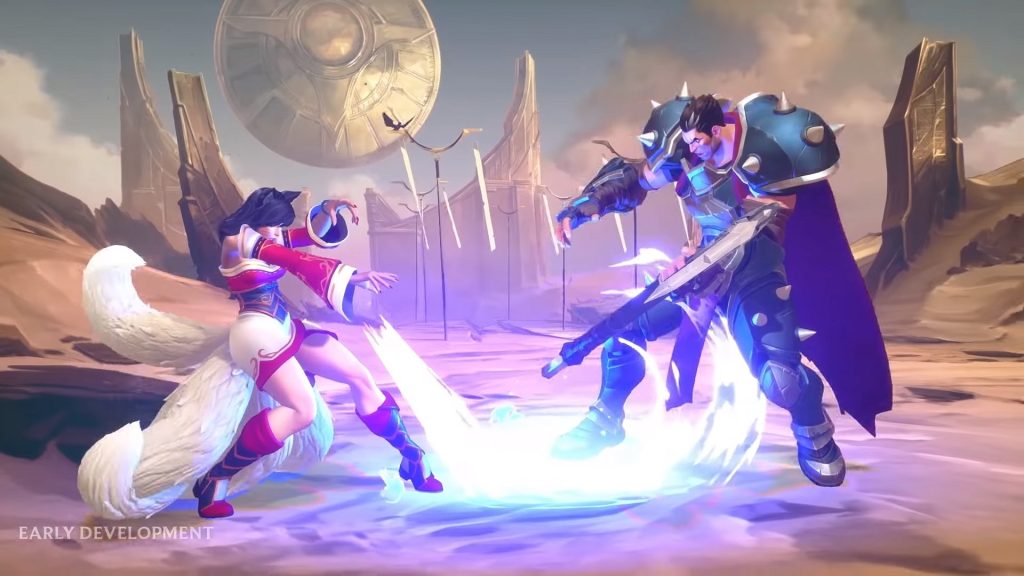
Riot Games designs champions with varying skill floors and ceilings, aiming to offer a diverse roster where players can find characters that match their skill level and preferred playstyle. The difficulty of their champions is a deliberate design choice.
Ever wondered about the curve in League of Legends, climbing it can feel simple with some champs and nearly impossible with others? So, what is riot games official stance on the difficulty of their champions?
Riot actively creates characters that range from beginner-friendly to exceptionally challenging. This design ensures there is something for everyone, from newcomers to veteran players.
The differences in complexity provide variety and depth to the game. Players can pick the perfect character based on their skill and what they want to get out of the game.

What is Riot Games’ Official Stance on the Difficulty of Their Champions?
Riot Games approaches champion difficulty with a multifaceted perspective. They consider not just the mechanical skill required, but also strategic understanding and game knowledge. Their goal is not to create uniformly difficult or easy champions.
Instead, they aim for a diverse roster that caters to a range of player preferences and skill levels.
Riot wants players to find champions that resonate with their playstyle and that they can effectively learn and master.
Understanding Riot’s Champion Design Philosophy
Riot’s champion design focuses on creating unique and compelling characters. These champions should offer varied gameplay experiences. Difficulty is a crucial element in this design.
Some champions are designed to be mechanically demanding. Other champions rely more on strategic thinking and decision-making.
The goal is to provide options for players of all skill levels.
Skill Floor vs. Skill Ceiling
Riot often discusses the concepts of skill floor and skill ceiling. The skill floor represents the minimum skill needed to play a champion effectively. The skill ceiling represents the maximum potential of a champion in the hands of a highly skilled player.
A champion with a low skill floor is easy to pick up and play. A champion with a high skill floor requires significant practice to perform adequately.
Champions with high skill ceilings offer greater rewards for mastery. This can attract players seeking a long-term challenge.
Riot aims to balance the skill floor and skill ceiling. This ensures champions are both accessible and rewarding.
Official Statements and Design Posts
Riot often communicates its design philosophy through developer blogs and Q&A sessions. These posts provide insight into their thinking on champion difficulty. They regularly discuss how they assess and adjust champion complexity.
They often state that diversity in champion difficulty is important. This provides a wide variety of gameplay experiences for players.
Rioters emphasize that champion difficulty isn’t strictly about mechanical execution. Understanding matchups and strategic team play matters, too.
Rioter Insights: Champion Spotlights and Dev Blogs
Champion spotlights often highlight the intended difficulty and playstyle of new champions. These videos demonstrate the champion’s abilities and potential combos. They also give clues about the intended skill level.
Dev blogs frequently address player concerns about champion balance and complexity. These posts explain the reasoning behind design choices. They also discuss future plans for adjustments.
Rioters use these platforms to communicate directly with players. They gather feedback and explain their decisions about champion design.
Examples of Champion Difficulty Variance
League of Legends boasts a vast roster of champions. These champions vary wildly in their complexity and required skill. Some are beginner-friendly, while others demand exceptional mechanical skill and game knowledge.
Examining specific examples can illustrate Riot’s design principles. This provides insight into how difficulty is implemented in practice.
Annie: A Beginner-Friendly Mage
Annie is often recommended as one of the best champions for new players. Her abilities are straightforward and easy to understand. Her passive, Pyromania, provides a simple but effective way to stun enemies.
Annie’s low skill floor makes her accessible to beginners. Her effectiveness doesn’t require complex combos or precise timing.
However, Annie still offers some depth for experienced players. Mastering her positioning and decision-making can lead to significant success.
Azir: A High Skill Ceiling Emperor
Azir is considered one of the most mechanically demanding champions in the game. He requires precise positioning and coordination to use his soldiers effectively. His Shifting Sands ability allows him to reposition quickly, but it requires practice and precision.
Azir’s high skill ceiling makes him difficult to master. Players must invest significant time and effort to become proficient.
However, a skilled Azir player can carry games with his high damage output and strategic control of the battlefield. He exemplifies a champion with a significant learning curve.
Garen: The Might of Demacia
Garen is another champion often recommended for new players. He is a durable and straightforward fighter. His abilities are easy to understand, and his passive provides sustain in lane.
Garen’s simplicity makes him a great choice for learning the fundamentals of the game. Players can focus on map awareness and decision-making.
While Garen might not have the flashy plays of more complex champions, he can be very effective in the right hands. He is a reliable and consistent choice.
Aphelios: The Weapon Master
Aphelios is known for his exceptionally complex kit. He cycles through five different weapons, each with unique abilities and effects. Players must understand how each weapon works and how to combine them effectively.
Aphelios presents a significant challenge for even experienced players. He demands constant adaptation and a deep understanding of his arsenal.
However, a skilled Aphelios player can adapt to any situation. He can output massive damage and control the flow of combat.
Champion Complexity Metrics
Riot employs different metrics to gauge champion complexity. These metrics help designers assess and balance champions. The metrics also help communicate champion difficulty to players.
These metrics are not always explicitly stated, but are inferred from design posts and observations.
Mechanical Complexity
Mechanical complexity refers to the dexterity and precision required to execute a champion’s abilities. This includes factors like ability combos, skillshots, and reaction time. Champions with high mechanical complexity often require fast reflexes and precise mouse movements.
Azir, for example, is mechanically complex due to his soldier positioning and Shifting Sands combos. Lee Sin is another champion requiring precise timing and execution of his abilities.
Champions like Garen and Annie have relatively low mechanical complexity. Their abilities are straightforward and easy to use.
Strategic Complexity
Strategic complexity refers to the decision-making required to play a champion effectively. This includes factors like itemization, positioning, and target prioritization. Champions with high strategic complexity often require a deep understanding of the game and the current meta.
Orianna, for example, is strategically complex due to her ball placement and teamfight control. Twisted Fate requires strategic decision-making regarding his ultimate and card selection.
Champions like Master Yi, while not mechanically complex, require good strategic decision-making in terms of target selection and when to engage.
Cognitive Load
Cognitive load refers to the amount of information a player must process to play a champion effectively. This includes tracking cooldowns, managing resources, and anticipating enemy movements. Champions with high cognitive load often require a high level of focus and attention.
Aphelios, with his weapon cycling, has a very high cognitive load. Ryze, with his complex spell combinations, requires a high degree of cognitive processing.
Champions like Warwick, with a simpler kit and straightforward objectives, have a lower cognitive load.
Balancing Difficulty and Accessibility
Riot strives to balance champion difficulty with accessibility. They want to ensure that players of all skill levels can find champions they enjoy. This balance is crucial for the long-term health of the game.
Making champions too difficult can alienate new players. Making champions too easy can bore experienced players.
Riot continuously monitors champion performance and adjusts them as needed.
Iterative Design and Balance Patches
Riot uses an iterative design process for champion creation. They release new champions and monitor their performance closely. Balance patches are then released to address any issues.
These patches can adjust champion abilities, stats, or even their mechanics. The goal is to ensure that all champions are viable and balanced.
Riot also takes player feedback into account when making these adjustments. This ensures that the community is involved in the balancing process.
New Player Experience
Riot invests heavily in the new player experience. They provide tutorials and guides to help new players learn the game. They also recommend beginner-friendly champions.
These resources help new players get started and avoid being overwhelmed. They also help them find champions that suit their playstyle.
Riot understands that a positive new player experience is crucial for attracting and retaining players.
The Future of Champion Design and Difficulty
Riot continues to innovate in champion design. They are constantly exploring new mechanics and abilities. They are also experimenting with different approaches to difficulty.
The future of champion design is likely to see even more diverse and unique champions. This includes champions with new levels of complexity and accessibility.
Riot remains committed to creating a roster of champions that caters to all players.
Evolving Complexity and Meta Shifts
As the game evolves, so too does the perception of champion difficulty. Champions that were once considered complex may become easier to play as players develop new strategies and techniques. Meta shifts can also impact champion difficulty. A champion that is strong in one meta may be weak in another.
Riot recognizes this and continues to monitor and adjust champions as needed. They strive to maintain a balanced and diverse roster.
The ongoing evolution of the game ensures that there are always new challenges and opportunities for players.
Riot August – Concept of COUNTERPICK Champs Isn't REAL
Final Thoughts
Riot Games designs champions with a diverse range of skill ceilings. Some champions have simple kits, making them easier to pick up. Others demand significant practice and mechanical skill to play effectively.
This variety caters to different player preferences. Players can choose champions that suit their playstyle and desired level of challenge.
Ultimately, what is riot games official stance on the difficulty of their champions? Riot Games believes champion difficulty must vary. They aim to create champions that are accessible to new players, while also offering complex options for experienced players to express their skill.