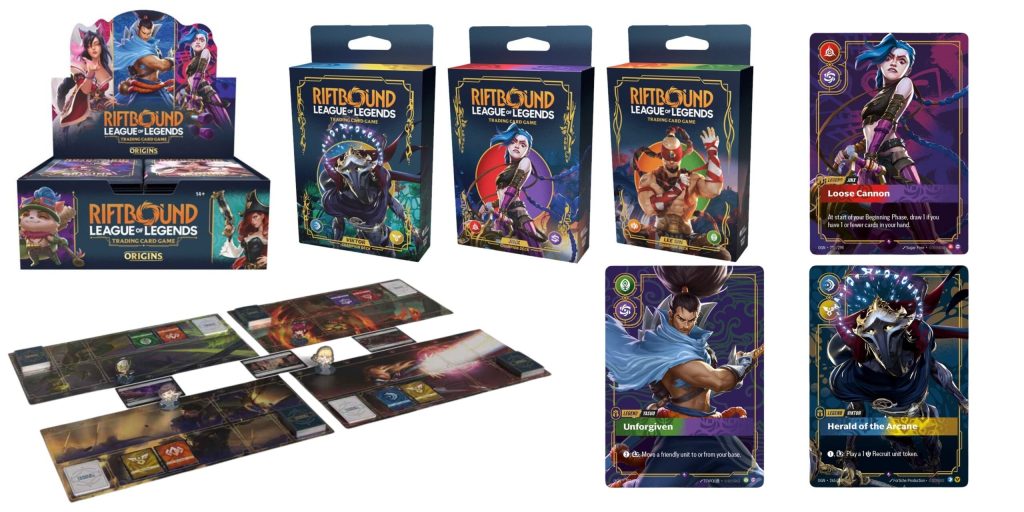
Riot Games generally permits fan-created content and merchandise for non-commercial purposes, as long as it’s clear that it’s fan-made and doesn’t infringe on their intellectual property.
Ever dreamt of creating your own League of Legends plushie or writing a story set in Runeterra? That’s amazing! But before you start, you might be wondering about something crucial: what is riot games policy on fan-created content and merchandise?
Let’s dive into Riot Games’ stance on this. It affects every artist, writer, and creator in the community! It’s surprisingly supportive, with a few important caveats, especially if you’re thinking about selling your creations.

What is Riot Games Policy on Fan-Created Content and Merchandise
Riot Games, the powerhouse behind League of Legends, VALORANT, and Teamfight Tactics, understands the passion of its player base. Their policy on fan-created content and merchandise aims to balance protecting their intellectual property with fostering creativity and community engagement. Understanding this policy is crucial for any aspiring creator looking to build upon the Riot Games universe.
Understanding Intellectual Property Rights
Intellectual property rights are the cornerstone of Riot Games’ approach. These rights protect their characters, lore, game assets, and branding.
Copyright law protects creative works, like character designs and storylines. Trademark law safeguards brand names and logos.
Riot Games uses these protections to ensure quality control and prevent misuse of their properties. This helps maintain the integrity of their brands.
Riot Games’ General Stance on Fan Content
Riot Games generally encourages fan-created content. They believe that fan-made creations contribute to the community and enrich the player experience.
However, this encouragement comes with certain guidelines and limitations. These are intended to prevent commercial exploitation and protect the brand.
Their policies aim to strike a balance between supporting fans and safeguarding their intellectual property.
Permitted Uses of Riot Games IP
Certain uses of Riot Games’ intellectual property are generally permitted. These typically fall under the umbrella of non-commercial fan creations.
- Fan Art: Creating and sharing artwork featuring Riot Games characters is generally allowed.
- Fan Fiction: Writing stories based on Riot Games lore and characters is typically permitted.
- Cosplay: Dressing up as characters from Riot Games’ games is usually encouraged at events.
- Videos: Creating gameplay videos, reviews, and tutorials is generally acceptable.
These activities help build the community and promote Riot Games’ products organically. As long as they are non-commercial, Riot generally supports them.
Prohibited Uses of Riot Games IP
Certain uses of Riot Games’ intellectual property are strictly prohibited. These often involve commercial activity or misuse of their brand.
- Commercial Merchandise: Selling items featuring Riot Games characters or logos without permission is forbidden.
- Unauthorized Games: Creating and distributing games that copy or infringe upon Riot Games’ intellectual property is not allowed.
- Misleading Associations: Implying an official endorsement or partnership with Riot Games when none exists is prohibited.
- Offensive Content: Creating content that is hateful, discriminatory, or violates Riot Games’ community guidelines is not permitted.
These restrictions protect Riot Games’ brand and ensure a positive community environment. They prevent unauthorized exploitation of their intellectual property.
The “Legal Jibber Jabber” Page
Riot Games’ official “Legal Jibber Jabber” page is the definitive source for their IP policies. This page provides detailed guidelines and legal information.
It covers various aspects of their policies, including content creation, merchandise, and streaming. Anyone planning to create fan content should consult this page.
Regularly checking this page is essential because policies can change over time. It ensures compliance with the latest rules.
Fan Merchandise: A Gray Area
The topic of fan merchandise is often a gray area in the policy. While commercial sales are generally prohibited, some exceptions exist.
Small-scale, non-profit sales of handmade items may be tolerated in some cases. However, it’s crucial to proceed with caution and seek clarification.
It’s always best to err on the side of caution and avoid any activity that could be construed as commercial exploitation.
Getting Permission: Reaching Out to Riot Games
In cases where the intended use of Riot Games’ IP falls outside the permitted guidelines, seeking permission is essential. Contacting Riot Games directly is the best approach.
The process for obtaining permission can vary depending on the nature of the request. A detailed proposal outlining the intended use is usually required.
While permission is not always granted, it’s always worth asking if you’re unsure about the legality of your project.
Streaming and Video Content
Streaming and video content creation are generally encouraged by Riot Games. They recognize the value of these activities in promoting their games.
However, certain guidelines still apply. These include adhering to community standards and avoiding any activity that could damage their brand.
Streamers and video creators should familiarize themselves with Riot Games’ streaming policies. This helps ensure compliance.
Riot’s Community Guidelines
Riot Games has established comprehensive community guidelines. These guidelines apply to all aspects of the community, including fan content.
The guidelines promote a positive and respectful environment. They prohibit hate speech, harassment, and other forms of inappropriate behavior.
Adhering to these guidelines is crucial for maintaining a healthy and welcoming community.
Consequences of Violating the Policy
Violating Riot Games’ IP policy can have serious consequences. These can range from cease and desist letters to legal action.
The severity of the consequences depends on the nature and extent of the violation. Commercial exploitation is typically treated more seriously than non-commercial fan content.
It’s always best to comply with the policy to avoid any legal trouble.
Fair Use Considerations
The concept of “fair use” may apply in certain situations. Fair use allows for limited use of copyrighted material without permission for purposes such as criticism, commentary, news reporting, teaching, scholarship, or research.
However, fair use is a complex legal doctrine. It’s important to understand its limitations and applicability.
Consulting with a legal professional is advisable if you believe your use of Riot Games’ IP may qualify as fair use.
Riot Forge and Official Partnerships
Riot Forge represents a notable exception to the typical fan content rules. This program involves partnerships with independent game developers to create games set in the League of Legends universe.
These developers are granted official licenses to use Riot Games’ IP. This results in commercially viable games that expand the lore and world of Runeterra.
Riot Forge demonstrates Riot’s willingness to collaborate with external talent under specific, controlled circumstances.
Fan Content and Esports
The intersection of fan content and esports introduces additional considerations. Esports events often feature fan-created banners, signs, and artwork.
These displays of support are generally welcomed. However, commercial or promotional displays without permission are typically prohibited.
Esports organizations and event organizers should be aware of Riot Games’ policies regarding fan content at tournaments.
The Future of Fan Content Policies
Fan content policies are constantly evolving in response to changes in technology and community trends. Riot Games actively monitors these trends and adapts its policies accordingly.
Staying informed about the latest developments in IP law and community guidelines is essential for creators. This ensures continued compliance.
The ongoing dialogue between Riot Games and its community helps shape the future of fan content policies.
Specific Examples of Policy Enforcement
Understanding how Riot Games enforces its fan content policy can provide valuable insights. Examples of past actions can illuminate the boundaries.
While Riot often takes a lenient approach with non-commercial fan art, they are quick to act against unauthorized merchandise sales. Cease and desist letters are common.
Games that directly copy League of Legends or VALORANT have faced legal challenges. This demonstrates Riot’s commitment to protecting its core intellectual property.
Tips for Staying Compliant
Staying compliant with Riot Games’ fan content policy requires diligence and awareness. Here are some practical tips:
- Read the Legal Jibber Jabber: Thoroughly review Riot Games’ official policy page for the most up-to-date information.
- Avoid Commercial Activity: Refrain from selling merchandise or engaging in other commercial activities without permission.
- Seek Clarification: If you’re unsure about the legality of your project, contact Riot Games for clarification.
- Respect Community Guidelines: Adhere to Riot Games’ community guidelines to maintain a positive environment.
- Credit Riot Games: Properly attribute Riot Games as the owner of the intellectual property you’re using.
Following these tips can help you navigate the complexities of the policy and avoid potential legal issues.
The Role of Social Media
Social media plays a significant role in both the creation and enforcement of fan content policies. Riot Games actively monitors social media platforms for violations.
Fans can also report potential infringements to Riot Games. This collaborative approach helps maintain compliance.
Creators should be mindful of the content they share on social media. Ensure it adheres to Riot Games’ policies.
Analyzing the Policy’s Impact on Creators
Riot Games’ fan content policy has a significant impact on creators. It shapes the types of content that are created and shared within the community.
While the policy imposes certain restrictions, it also provides a framework for creativity. Many creators thrive within these boundaries.
The policy aims to strike a balance between protecting Riot Games’ IP and fostering a vibrant community of fan-created content.
Comparing Riot’s Policy to Other Game Developers
Comparing Riot Games’ fan content policy to those of other game developers can provide valuable context. Some developers have stricter policies, while others are more lenient.
Valve, for example, has a relatively permissive approach to fan content. Blizzard Entertainment’s policy is generally stricter than Riot’s.
Each developer’s policy reflects its unique approach to intellectual property protection and community engagement.
Fan Games and the Riot Games Ecosystem
The creation of fan games based on Riot Games’ properties is a particularly sensitive area. While Riot actively supports its IPs, they have historically taken action against fan games that significantly infringe on their core titles.
This is largely due to concerns about quality control, potential market confusion, and the protection of their intellectual property.
However, the Riot Forge program shows a willingness to partner with external developers on official games, suggesting a potential avenue for aspiring game creators to collaborate with Riot in a legitimate capacity.
Navigating Ambiguity: Common Scenarios
Many creators encounter scenarios where the application of Riot Games’ policy is ambiguous. For example, what constitutes “small-scale” merchandise sales?
The answer often depends on the specific circumstances. Factors such as the volume of sales, the nature of the products, and the presence of a profit motive are considered.
It’s always best to err on the side of caution and seek clarification from Riot Games if you’re unsure about the legality of your project.
The Importance of Disclaimers
Using disclaimers is a crucial practice for creators of fan content. A disclaimer clearly states that your work is not official and is not endorsed by Riot Games.
This helps avoid any confusion about the authenticity or official status of your content. It also protects you from potential liability.
A simple disclaimer can go a long way in demonstrating your respect for Riot Games’ intellectual property.
Leveraging Riot’s IP for Educational Purposes
Using Riot Games’ intellectual property for educational purposes, such as in classroom projects or tutorials, may be permissible under certain conditions.
Fair use principles often apply in these cases. However, it’s still important to credit Riot Games and avoid any commercial exploitation.
Seeking explicit permission from Riot Games is advisable if your educational use is extensive or involves a large audience.
Monetizing Fan Content: YouTube and Twitch
Monetizing fan content on platforms like YouTube and Twitch introduces additional considerations. While Riot Games generally allows gameplay videos and streaming, they may have specific guidelines regarding monetization.
Affiliate links and ad revenue are often permitted. However, it’s important to disclose any sponsorships or endorsements.
Creators should familiarize themselves with Riot Games’ monetization policies and the terms of service of the respective platforms.
International Considerations
Intellectual property laws vary from country to country. This means that the legality of fan content may differ depending on your location.
Creators should be aware of the intellectual property laws in their own country and in any countries where their content is distributed.
Consulting with a legal professional familiar with international IP law is advisable if you’re creating content for a global audience.
Ultra-Realistic League of Legends Supports – Female Champions Tribute #shorts #leagueoflegends
Final Thoughts
Riot Games generally encourages fan creations, understanding they foster community engagement. They support non-commercial projects that celebrate their games.
Monetization is a key factor. Fan-made merchandise needs to avoid infringing on Riot’s intellectual property.
So, what is riot games policy on fan-created content and merchandise? It’s essentially a green light for free, non-commercial projects. You must respect their IP when creating and selling items.