
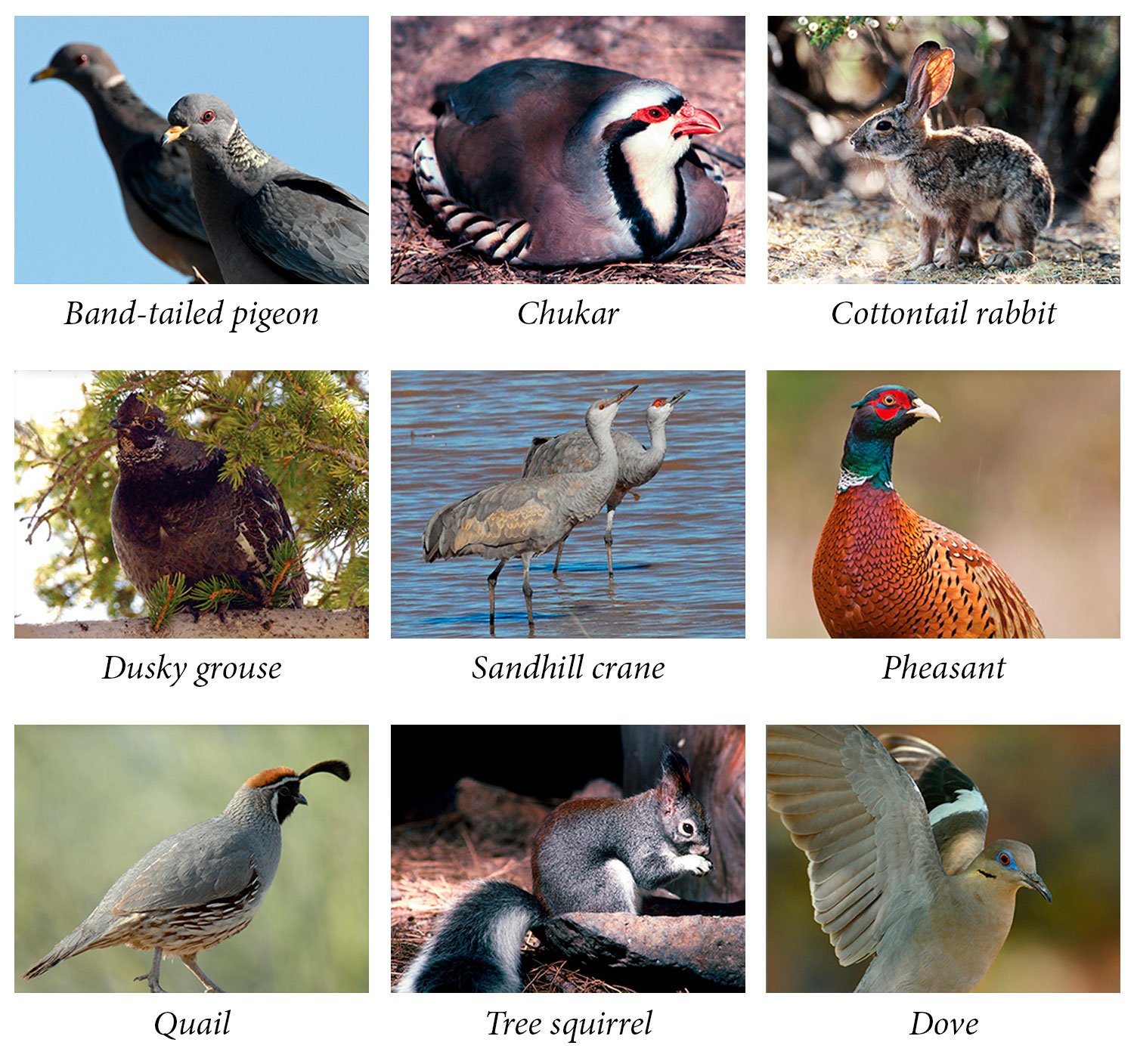
Small game refers to huntable animals that are generally smaller than deer, such as rabbits, squirrels, and various birds.
Ever wondered about the critters scurrying in fields and forests, the ones beyond the big game spotlight? You might have heard the term “small game” mentioned, but what is small game, really? It’s an important concept for hunters, and understanding it can open up many new outdoor opportunities. This category includes a variety of animals that are often overlooked.
These animals, while smaller in size, provide plenty of excitement for both new and experienced hunters. They also often are more abundant and accessible than larger game animals. So next time someone asks what is small game, you’ll have a solid answer ready.

What is Small Game?
Have you ever wondered about the animals that live in the woods or fields, but aren’t as big as deer or bears? These smaller critters are often called “small game,” and they play a vital part in nature and sometimes even in our meals. Let’s take a closer look at what exactly small game is, the different types you might find, and where they live. We will also delve into the exciting world of small game hunting, learning about ethical practices and how to identify different small game animals.
Defining Small Game
So, what exactly does “small game” mean? Generally, it refers to smaller animals that people might hunt for food or sport. Unlike “big game” like deer, elk, or bears, small game animals are usually much smaller in size and can be managed easier. The specific animals included in this category can vary a bit depending on where you live and local laws, but there are some common creatures we can talk about.
Size Matters
A key thing that differentiates small game from big game is, of course, the size. You won’t be needing large-caliber rifles to hunt these creatures, and their smaller size also means that hunting techniques differ from big game pursuits. Think about it: a rabbit is a lot different from a moose. This size difference influences everything from where they live to how they are hunted.
Beyond Just Size
While size is a major factor, it’s not the only thing that defines small game. Often, these animals have different life cycles and habitat needs than big game. They might reproduce more frequently, have shorter lifespans, and be more adaptable to different environments. This also means their populations can fluctuate more quickly than that of big game species.
Types of Small Game Animals
The animal kingdom is diverse, and this diversity extends to small game. You will find a surprising variety of species considered “small game”. These different animals offer varying hunting challenges and different roles in their respective ecosystems. Here are some of the common types:
Mammals
- Rabbits and Hares: These furry critters are often found in fields, woods, and even suburban areas. Rabbits are known for their cottontail, while hares usually have longer ears and hind legs.
- Squirrels: These busy-bodied tree dwellers are often seen scampering through forests and parks. There are many different kinds of squirrels, such as gray, fox, and red squirrels.
- Muskrats: These semi-aquatic rodents are found near rivers, lakes, and marshes. They have webbed feet, and often you will find their dome-shaped dwellings near water edges.
- Raccoons: Known for their bandit-like masks, raccoons are adaptable and found in various habitats from forests to urban areas. They are primarily nocturnal, meaning they are most active at night.
- Opossums: These marsupials are known for their ability to “play dead” when threatened. They are nocturnal and have a prehensile tail, which they can use to help them climb.
- Skunks: Recognized for their black and white stripes and unpleasant odor, skunks are nocturnal and omnivorous, meaning they eat both plants and animals.
Birds
- Quail: These small game birds are often found in grassy fields and brushy areas. They have a rounded body shape and are known for their explosive flight when flushed.
- Pheasants: These larger game birds, often with vibrant colors and long tails, are found in farmlands and grasslands. They are known for their cackling calls.
- Grouse: These birds live in wooded areas and are known for their drumming sound during mating season. Ruffed grouse are commonly sought after by hunters.
- Ducks: These waterfowl are found near lakes, rivers, and marshes. Different species of ducks have specific preferences for habitat and food.
- Geese: Similar to ducks but generally larger, geese often congregate in open water and fields. They are also migratory and travel long distances.
Other Animals
Sometimes, other smaller animals are also grouped as small game depending on location. This may include:
- Snapping Turtles: Found in ponds and rivers, they can grow quite large and have a powerful bite. They are hunted in some areas for their meat.
- Frogs: Various species of frogs are considered small game in some regions, particularly bullfrogs.
Where Small Game Animals Live
Small game animals are found in a variety of habitats, from thick forests to open fields and even near water. Let’s look into where you’re most likely to find them.
Forests
Wooded areas are a common place to find small game. Squirrels, chipmunks, ruffed grouse, and rabbits call these places home. The trees provide food and shelter, creating perfect living conditions.
Fields and Grasslands
Open fields and grasslands are also important habitats. You might find rabbits, quail, and pheasants thriving here. These areas provide open space and plenty of food sources like seeds and insects.
Wetlands
Ponds, rivers, and marshes host a unique collection of small game. Muskrats, ducks, geese, and frogs all live in these watery environments. These places provide food and shelter and breeding grounds.
Suburban Areas
Surprisingly, many small game animals have adapted to living in suburban areas. Raccoons, opossums, and even rabbits can be found in parks, gardens, and sometimes even under your deck! These animals often come into contact with humans.
The Importance of Habitat
It’s important to remember that healthy habitats are crucial for small game. When natural areas are destroyed, small game animals will find it difficult to survive. This is why taking care of our environment is so important. Protecting these habitats helps these creatures to live and thrive.
Small Game Hunting
Small game hunting is a popular activity for many people. It can be a great way to connect with nature, get exercise, and even put food on the table. But, like all hunting, it must be done safely and ethically. Understanding what makes small game hunting different from big game hunting is key.
Why People Hunt Small Game
There are many reasons why people enjoy small game hunting. It can be a good way to learn about different animals and their habitats. It’s also more accessible than big game hunting in some areas. Small game hunting requires less specialized gear and can be a good option for new hunters.
- Connection with Nature: Spending time in the outdoors and observing animals in their natural environment can be very rewarding.
- Food Source: Small game animals, like rabbits or pheasants, provide a healthy and delicious meat source.
- Tradition: For many families, small game hunting is a cherished tradition passed down through generations.
- Recreation: It’s a fun and challenging outdoor activity that can be enjoyed alone or with friends and family.
The Right Gear
Having the correct gear is crucial for a successful and safe small game hunting trip. Here are some essentials:
- Firearms: Shotguns are commonly used for birds and rabbits, while rifles can be used for squirrels. The type of firearm you need will depend on the animal you are hunting.
- Ammunition: Use the correct type and size of ammunition for your firearm and the game you’re hunting.
- Clothing: Dress in layers for changing weather conditions. Wear blaze orange to stay visible to other hunters.
- Footwear: Sturdy boots are important for navigating various terrains.
- Knife: A good hunting knife is essential for field dressing your game.
- Game Bag: To carry your harvest.
Hunting Techniques
Hunting small game involves various methods, depending on the animal you’re pursuing. Here are a couple of the most common:
- Still Hunting: Moving slowly and quietly through the woods or fields, watching for small game.
- Flushing: Using dogs or other methods to make birds fly.
- Trapping: Using traps to catch animals like muskrats or raccoons.
Ethical Hunting Practices
Hunting small game responsibly is vital. Here are some important points to always keep in mind:
- Obey the Laws: Always follow all state and local hunting regulations, including licensing and seasons.
- Respect the Animals: Treat animals with respect, and make sure to make a clean, ethical shot.
- Practice Proper Safety: Always handle firearms safely, and be aware of your surroundings.
- Leave No Trace: Pack out everything you pack in, and do not leave litter.
Identifying Small Game Animals
Before you head out, it’s important to be able to identify the different types of small game. You don’t want to confuse one animal for another, especially since not all of them are legal to hunt. Getting familiar with local wildlife is a key part of hunting responsibly.
Using Field Guides
A good field guide is a very helpful tool. These guides provide detailed descriptions and illustrations of different animals. They are great for comparing different species.
Key Features to Look For
Here are a few key features to pay attention to while identifying small game animals:
- Size and Shape: Is it long and sleek like a weasel, or rounded like a rabbit?
- Color and Markings: What colors are they? Do they have any unique spots or stripes?
- Tail: Is the tail bushy like a squirrel or short like a rabbit?
- Ears: Do they have long ears like a hare, or small rounded ears like a squirrel?
- Behavior: Does it scamper up trees or hop along the ground?
Online Resources
Many websites and apps can help you identify animals. These resources often include pictures, videos, and sound recordings. A quick online search can be a good way to confirm your identification skills.
Understanding “what is small game” goes beyond just knowing the name of a few animals. It’s about recognizing their role in the environment, how they interact with their habitat, and the responsibilities we have to manage and respect these animals. This knowledge provides a deeper appreciation for the natural world around us.
Small Game Hunting TIPS For Beginners
Final Thoughts
Small game includes animals like rabbits, squirrels, and game birds. These creatures are typically smaller than deer or elk. Hunting them often requires different tactics and equipment.
Understanding what is small game involves knowing the diverse range of species. This includes animals found in fields, forests, and wetlands. Successfully pursuing them demands skill and patience. Hunters should learn proper identification.

