
A stick game is a traditional Indigenous guessing game involving hidden objects and teams using decorated sticks to track points.
Have you ever wondered about the captivating rhythms and playful strategies of stick games? It’s more than just a pastime, it’s a cultural expression. Understanding what is stick game involves delving into its rich history, often passed down through generations.
These games are played across various Indigenous communities, each with unique variations. The core elements involve hidden objects, team competition, and intricate methods of scoring using sticks or other markers. It’s a celebration of community and skill.

What is Stick Game?
Ever heard of a game where simple sticks can create so much excitement and fun? Well, that’s the magic of stick game! It’s not just one game, but a whole family of games played all over the world, often with a history as old as the hills themselves. Imagine people gathering, laughing, and using sticks to challenge each other. It’s more than just playing; it’s about connecting, learning, and having a great time. These stick games, also known as hand games or bone games in some cultures, are often deeply tied to storytelling and community traditions. They’re a fantastic example of how humans have found ways to have fun using simple things around them.
A Look at the History and Origins of Stick Games
Stick games aren’t new; they’ve been around for ages! They go way back, before video games and even before board games. Many cultures, especially Indigenous groups across North America, have played versions of stick games for hundreds, even thousands, of years. These games weren’t just for fun; they were often used in ceremonies, for teaching important skills, and even for settling disagreements. It’s quite amazing to see how something as simple as a stick could be so important to a community. The games can be traced back to tribal traditions, incorporating rich cultural heritage into each move. Think of it, the clacking of sticks was the sound of stories being passed down through generations.
Cultural Significance
In many Native American cultures, for instance, stick games aren’t just about guessing. They hold deep spiritual and historical importance. The games often involve songs, drumming, and storytelling, which all add layers of meaning to the experience. For some, the game can be a way to honor ancestors or connect with the spirit world. The specific rules and rituals can vary a lot between different tribes, reflecting each community’s unique traditions and values. It’s like each game has its own special recipe, passed down through time. This shows that stick game isn’t just entertainment; it’s a living piece of cultural heritage.
Stick Games Around the World
While stick games have strong roots in North America, they are not unique to just that region. In different parts of the world, you can see how the idea of using sticks for games has appeared independently, each with its own twist. For example, in some parts of Africa, similar games are played using small stones or bones in place of sticks. The basic concept of hiding and guessing is there, but the details change, showing how human ingenuity can adapt to different places and resources. It’s a global phenomenon, proving that playfulness is a universal human trait!
How to Play Stick Games: The Basics
Okay, so you’re curious about playing a stick game! The great news is that most versions are easy to learn, and all you really need are sticks. The core of the games involves hiding one or more sticks (or markers, depending on the specific game) and having someone try to guess which hand or location holds them. It’s all about observation, a bit of strategy, and a whole lot of fun. Let’s break it down a bit further.
The Hiding Process
Typically, one player (or team) will hide a designated number of sticks or markers. They often conceal these in their hands, or under objects. The goal is to make it tricky for the other person to guess correctly. The way that the hiding team hold the sticks or moves their hands can provide clues and red herrings. Sometimes, players will use body movements or facial expressions, also, to throw off their opponents. This can turn the game into a real psychological challenge. The way you hold your hands, how quickly you move, and even the noises you make can be part of the hiding trick.
The Guessing Game
Once the sticks are hidden, the guessing begins! The other player (or team) has to try and figure out where the sticks are hidden. They might point at hands, tap on objects, or even use special signals, depending on the game’s specific rules. This part of the game relies heavily on observation and paying attention to even the smallest details. It is not just luck. The guesser is always looking for subtle clues like a slight hesitation in the hiders movements or a little smile. It’s this interaction that makes the game so engaging.
Keeping Score
Just like any game, stick games usually have a scoring system. Depending on the game, you may earn points for correctly guessing the location of the sticks, or lose points for incorrect guesses. Some games continue until one side reaches a certain number of points, while others might have a set number of rounds. Sometimes, the scorekeeping also includes counting different types of sticks with different values. The method used to score depends on the specific stick game you are playing and each type has its own way to decide the winner. The scoring is really what adds the competitive edge.
Types of Stick Games
The world of stick games isn’t just one game; it’s a variety of styles, each with its own flavor. Here are some of the different types you might encounter. Keep in mind that these examples are based on common elements, and every local tradition might have its own unique spin:
Hand Games
Hand games are probably the most common type of stick game. They usually involve hiding small sticks or bone pieces in your hands and then having someone try to guess which hand holds them. Think of it as a simplified version of a shell game. The focus is on deception and observation. These games can be played between two people or with large teams, adding to the variety of play. It’s a game that relies on a keen eye and a lot of cleverness, where players use a variety of movements and feigns to confuse their opponents. Here is an example of how to play:
- Two teams sit facing each other.
- One team hides small objects or bones in their hands.
- They sing or make rhythmic movements to distract and confuse.
- The other team tries to guess which hands hold the objects.
Hand games teach quick thinking, teamwork, and a lot of fun that includes vocal and hand-movement elements, this game is sure to be enjoyable for all!
Hidden Stick Games
In hidden stick games, the focus shifts from hands to a larger environment. The sticks are hidden somewhere out in a given area and players need to find them. This is like a treasure hunt but with sticks. It’s all about searching, noticing details, and sometimes even using clues to find the hidden sticks. This version can be played outdoors or indoors, providing a different sort of excitement. The playing area might be a specific area, such as a playing field, a forest or even a large room. Hidden stick games add an extra dimension of play, involving observation and search and find abilities.
Counting Stick Games
Counting stick games incorporate a bit of math and strategy. In these games, sticks may have different markings or colors, which correspond to different point values. Players not only need to guess where the sticks are, but also understand their value in scoring. These games are a good way to incorporate a little bit of learning with a lot of fun. They often require strategic thinking and counting skills as you play. This brings in another layer of play, with planning strategies and scoring in the game.
Team Stick Games
Many stick games can be adapted for teams, adding another layer of excitement and cooperation. Each member of the team might have a specific role, such as hiders or guessers, and they work together to try and win. These team games build trust, encourage communication, and show that working together can make the game even more fun. Team games provide an opportunity for members to encourage each other and learn to strategize with a group. The team dynamic makes the game even more exciting.
Why Stick Games Are So Great
Stick games offer more than just a bit of fun. They’re an excellent way to learn valuable skills, connect with others, and appreciate the simple joys of play. Here are some of the reasons why these games are so fantastic:
Promote Cognitive Skills
Many stick games help with developing thinking skills. You are constantly trying to predict what the other player will do. They also help develop quick thinking and decision-making skills. Players also need to focus and remember different moves. These kinds of skills are useful not just for the game but also in other parts of life. Games can make learning fun and this is a great example.
Encourage Social Interaction
Stick games are often played in groups, and encourage social interaction and cooperation. Whether you’re on a team or competing against each other, you’re communicating with and interacting with others. This helps you develop social skills and understand teamwork. It creates opportunities to make new friends and create community. These games can often bring people of different age groups together and have fun.
Simple and Accessible
One of the best things about stick games is that they are simple and accessible. You don’t need fancy equipment or expensive gadgets to play. All you need are a few sticks and a group of people who want to have fun. This simplicity makes it easy to play anywhere and anytime. The lack of a need for complex equipment allows for play anytime and anywhere!
Connect to Culture and History
For many cultures, stick games are a way of connecting to history and heritage. The games were passed down through generations, and their continued practice helps to preserve cultural knowledge. Playing a stick game can be a way to learn about traditions and values and appreciate the richness of culture. It’s more than just a game; it’s a link to the past and an opportunity to honor important traditions. It’s also a great way to understand and appreciate the different cultures around the world.
A Source of Fun and Entertainment
Most importantly, stick games are a great source of fun and entertainment. The friendly competition, the excitement of guessing, and the laughter shared between players make the game a fantastic time. These games remind us that sometimes the simplest things in life are the most enjoyable. They provide great entertainment, and are fun to play no matter what the occasion.
Tips for Playing Stick Games
Ready to play? Here are a few tips to help you get started and enjoy stick games to the fullest:
- Start with the Basics: If you’re new to stick games, start with a simple version, like a hand game. Get comfortable with hiding and guessing before moving onto more complex variations.
- Learn the Rules: Different versions of the game have different rules, so take the time to learn the specific rules of the version you’re playing. It’ll make the game much more enjoyable.
- Observe Carefully: Pay close attention to details like body language, movements, and expressions. These clues can often lead you to the hidden sticks.
- Be Creative: Don’t be afraid to try new strategies or invent your own variations of the game. Adding your own personal touch can make the game even more fun.
- Be Respectful: Remember, games can have cultural importance. Approach the game with respect and appreciate its history and tradition.
- Have Fun: The most important thing is to have fun and enjoy the experience. Whether you’re winning or losing, the fun is in playing.
Stick games are more than just a pastime. They are a way of connecting with the past and also help to create community. It is a celebration of the simple things in life, and reminds us that we don’t need expensive gadgets to have a good time. The combination of learning, fun, and connection makes stick games a valuable addition to any play experience. Remember, the best part of stick games is the shared joy of play.
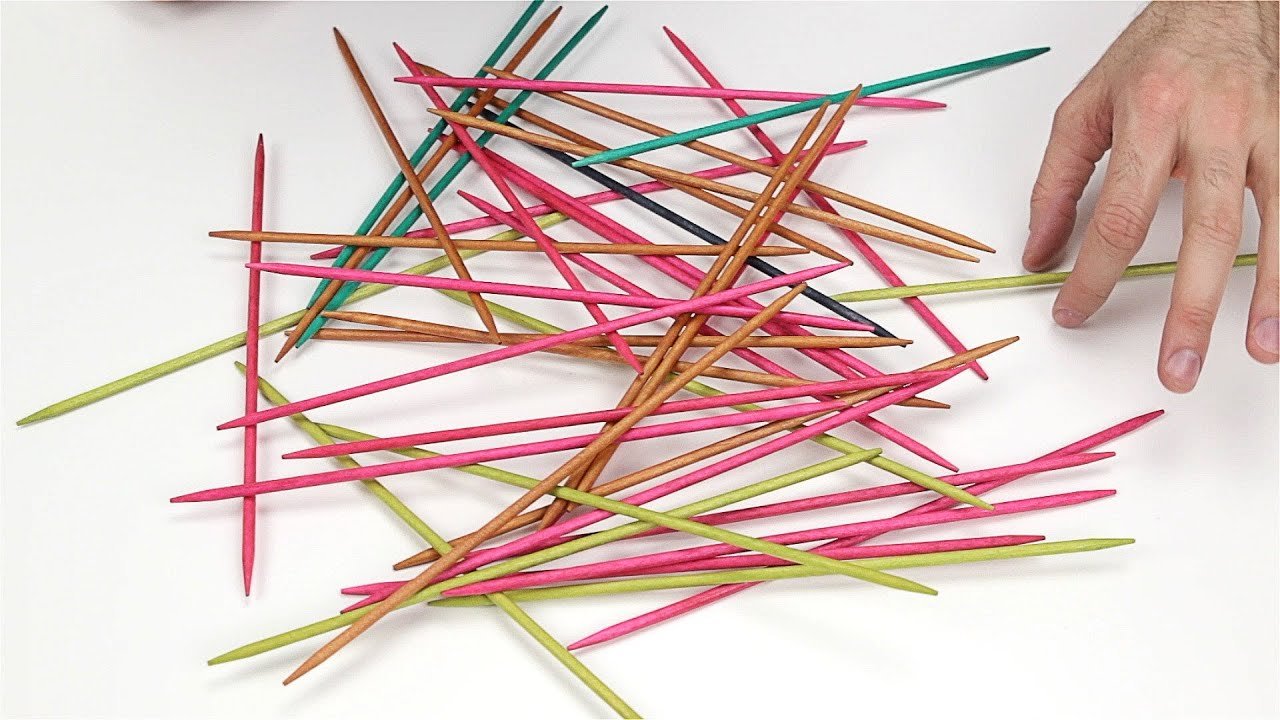
How to play Pick-Up Sticks
Final Thoughts
Stick game involves players using sticks, often in a rhythmic pattern. This ancient activity varies across cultures, but the core idea involves skill and focus. Players might strike the ground or each other’s sticks, following set rules.
Ultimately, what is stick game? It’s a simple, engaging pastime that develops hand-eye coordination and teamwork skills. The main appeal lies in its accessibility and ability to provide fun for any player.

