
The best Civ game is subjective, but many consider Civilization VI to be the most complete and engaging experience due to its refined mechanics and varied gameplay.
Picking what is the best civ game is a bit like choosing your favorite flavor of ice cream – everyone has their own reasons! The Civilization series has offered players countless hours of building empires. Many different titles have come out, and each game adds new elements.
These changes provide a unique experience. So, it is difficult to make a single pick that everyone would agree on.

What is the Best Civ Game?
Choosing the “best” Civilization game is like picking your favorite flavor of ice cream – it really depends on what you like! There are so many different versions, each with its own unique strengths. Some people love the classic feel of the older games, while others prefer the slick graphics and new features of the newer ones. This article will explore what makes each game special and help you figure out which one might be the best for you.
The Granddaddy: Civilization I
Let’s start way back, with the game that started it all! The original Civilization, often called Civ I, came out in 1991. It was a totally new idea back then – a game where you guide a tiny group of people all the way from the Stone Age to the Space Age. It’s very simple compared to modern games, but its impact on gaming is huge. Think of it as the foundation all the other Civ games are built on.
What Made Civ I Special?
- Simple, Clear Gameplay: It was easy to understand the basic concepts, even if you were new to strategy games. You move your units, build cities, and research technologies.
- Endless Replayability: Even with its simplicity, it was endlessly replayable. You could play the game in many ways.
- Setting the Standard: Civ I established many of the series’ key features, like building wonders of the world and researching scientific advancements.
While it’s not very popular with a younger audience today because of its old-fashioned look and feel, Civ I remains a very important part of video game history. It was the first game where players could experience the story of human civilization in a new and interesting way.
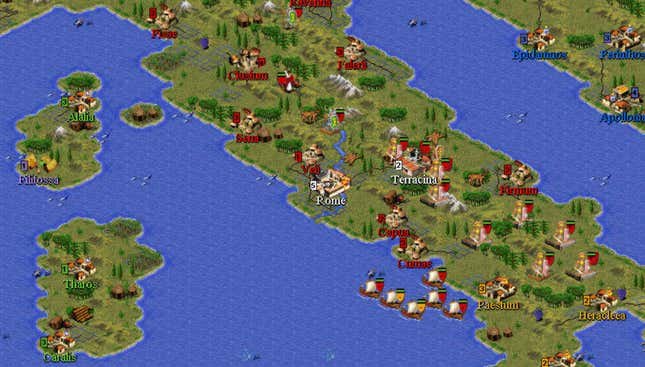
The Golden Age: Civilization II
Civilization II, or Civ II, is considered by many to be the pinnacle of the series. It took the basic gameplay of Civ I and polished it to a shine. The graphics were improved, there were more units to play with and more things to build. For many fans, this is the classic Civilization experience.
Why Civ II Still Has Fans:
- Improved Graphics: The graphics were much better than Civ I, making the game more engaging.
- More Detailed Gameplay: It had more depth, with new city improvements, units, and strategic options to play with.
- A Great Balance: The game felt very balanced and fun, making for long, enjoyable playthroughs.
- Modding Community: The fans of Civ II created many modifications, meaning that there was always something new to try.
Even with newer games in the series, many people still go back to Civ II because of its perfect balance and the special feeling that it gives.
The Big Jump: Civilization III
Civilization III marked a big change for the series. It introduced new ideas to make the game more complex. The most notable change was how culture was handled. This game also added new features for economics and resources. Some players loved this new depth, while others felt it made the game too complicated.
What Was New In Civ III?
- Culture System: The addition of culture greatly enhanced the game. Now you could not only conquer a nation but also influence other nations by spreading your own culture.
- Resource Management: Resources became much more important, meaning that you had to strategically choose where to build your cities.
- More Unique Civilizations: Each civilization became more distinct, having unique units and abilities.
- Combat Changes: Combat was different, requiring players to think more carefully about army composition and placement.
Civ III is an important step in the series, showing how the developers started making the game more complex and strategic. Some players found it was a bit too much change, but many enjoyed the new challenges that it provided.
Changing Perspectives: Civilization IV
With Civilization IV, the game took another big leap with a move to 3D graphics. It had a brighter and more detailed look than the previous titles, but that wasn’t all that changed. Civ IV also introduced a whole new tech system with the addition of “civics,” and religion into the game.
Key Features of Civ IV:
- Beautiful Graphics: The 3D look made the game visually stunning and more immersive.
- Civics and Religion: Added depth by allowing you to change how your civilization is run with different civics. Religion added another layer of management.
- Great Soundtrack: The music was fantastic and helped set the mood of the game.
- Vibrant modding: The modding community of Civ IV was very active, with lots of amazing fan-made modifications.
Civ IV is often praised for its excellent graphics, great soundtrack, and deep gameplay. Many players feel this game has the perfect balance between being fun and strategic.
A New Era: Civilization V
Civilization V made a huge change by introducing a new “hex grid” system for the map, rather than the old square grids. This change meant that every unit could only be in one space at a time, and this had a major impact on combat and the way cities were set up. It also introduced “city states” – smaller factions that could be befriended or conquered. Civ V is a good example of how the series keeps evolving.
What’s Different About Civ V?
- Hex Grid: The new grid system completely changed how you moved units and expanded your cities.
- City States: These smaller factions were a fun new addition, offering bonuses and challenges.
- Strategic Combat: Combat became more tactical, requiring you to think carefully about unit placement and movement.
- A More Accessible Game: The game became easier to learn, while still retaining lots of depth.
Civ V was a popular game because of its beautiful graphics and its clever new grid system. Some long-time fans did not like the hex grid and preferred the old system. However, most people felt that this new system made the gameplay very fresh and fun.
The Latest Iteration: Civilization VI
Civilization VI took the ideas of Civ V and added its own style. The biggest change in Civ VI was the concept of “unstacked cities.” That is, the different buildings and improvements within a city can be spread out across the map. This added a new way to play the game and made planning the city layout important. It also increased the importance of culture and the new tourism victory type.
Key Features in Civ VI:
- Unstacked Cities: This new idea completely changed how cities were built and managed.
- Districts: City districts gave you more room to customize your cities.
- Cultural and Tourism Victories: These victories became much more important, adding more ways to win the game.
- Graphics Style: The graphics were more stylized, giving the game a unique and very cool look.
Civ VI is a complex game with a lot of new things to learn. Many players like this added complexity, but others prefer the easier-to-learn gameplay of the earlier Civ games.
Side-by-Side: Comparing the Main Civ Games
It’s hard to say that one Civ game is better than all the others. Here’s a table to show some differences in different version of the game.
| Feature | Civ I | Civ II | Civ III | Civ IV | Civ V | Civ VI |
|---|---|---|---|---|---|---|
| Graphics Style | Simple 2D | Enhanced 2D | More Detailed 2D | 3D | 3D, More Detailed | Stylized 3D |
| Map Grid | Square | Square | Square | Square | Hex | Hex |
| Complexity | Simple | Moderately Complex | Complex | Complex | Moderately Complex | Very Complex |
| Culture | Basic | Basic | Expanded | Important | Important | Very Important |
| City Building | Simple | Simple | Moderately Complex | Moderately Complex | Moderately Complex | Complex, Unstacked |
| Combat | Simple | Simple | More Strategic | Strategic | Very Strategic | Very Strategic |
| Key New Feature | Foundation of the series | Improved gameplay | Culture & Resources | Civics & Religion | Hex grid & city states | Unstacked cities & districts |
Picking Your Best Civ Game
So, what’s the best Civ game? It really depends on what you want:
- For Retro Fun: Try Civilization I or Civilization II if you want to feel nostalgic and enjoy the simpler things.
- For Balance: Civilization II and Civilization IV are praised for having a very good balance of gameplay.
- For Depth: Civilization III and Civilization VI offer more complexity and challenging gameplay.
- For Accessibility: Civilization V is a good option if you want a game that’s easier to learn but still has depth.
- For Modern Graphics: Civilization VI is the most recent release and has the best graphics of the series.
The best way to find the best game for you is to try a few different versions and see which one you enjoy the most. Every player has their own preferences. You might really like the older games and not like the newer games, or the other way around! It all comes down to what you like.
Ultimately, the “best” Civ game is the one that keeps you playing and having fun. They all offer a unique trip through history, so go explore and see what you think.
Sid Meier's Civilization Tier List | Ranking Civ from 1 to 6
Final Thoughts
Ultimately, the “best” Civ game depends on personal preference. Some players love Civ V’s modding capabilities, while others enjoy Civ VI’s new features. Many appreciate the simpler, classic gameplay of earlier iterations. Therefore, the answer to the question, ‘what is the best civ game,’ varies widely.
Each title offers a different experience. Consider what you value in a strategy game to find your favorite in the franchise. You will probably decide based on your style of play.

