
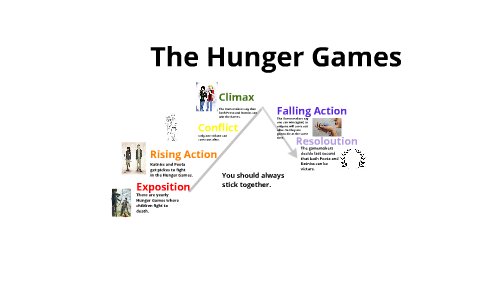
The climax of the Hunger Games is when Katniss and Peeta, facing off as the final two tributes, defy the Gamemakers’ rules and threaten to commit double suicide, forcing their victory.
Have you ever felt the tension of a story so intensely, you could almost feel it? The Hunger Games certainly delivers that experience. Many readers and viewers wonder, what is the climax of the hunger games and when does the real peak of tension occur?
The series is packed with intense moments, but a specific point stands above the rest. It’s the moment where rebellion isn’t just a whisper, it becomes an explosive act of defiance.

What is the Climax of The Hunger Games?
Let’s dive deep into the heart-pounding world of Panem and explore the most intense moment in The Hunger Games – the climax! Now, when we talk about “climax,” we don’t just mean the biggest explosion (though there are a few of those). The climax is the point where all the action, suspense, and emotional build-up reach their peak. It’s the moment everything has been leading to, the ultimate test for our characters, and the moment that changes everything.
Defining the Climax in Storytelling
Before we get into the specifics of The Hunger Games, it’s helpful to understand what a climax really means in storytelling. Think of a rollercoaster. The climb up the hill is the rising action, the moment you’re getting higher and higher, anticipating what’s about to happen. Then, you reach the very top – that’s the climax. The highest point of tension and excitement, the pivotal moment where the story’s central conflict plays out, leading to the falling action and resolution. The climax isn’t just a big fight; it’s the turning point where we truly see the outcome of our character’s journey and the impact of the main conflict of the story. This crucial moment tests the character’s choices and how those choices affect the story’s overall narrative.
Identifying the Climax in The Hunger Games
In The Hunger Games, the climax isn’t just one singular event, but a series of connected moments that build on each other. It’s not solely about who wins the Games. It’s about the choices made in the arena, the rebellions and the political games outside, all colliding into one potent experience. It involves these key elements that blend together:
- The Final Confrontation: It’s the moment when Katniss faces her last challengers directly.
- The Rule Change and Its Ramifications: The announcement that there can be two winners, but then the sudden retraction, plays a pivotal role.
- Katniss’s Act of Defiance: Her decision to threaten a double suicide, with Peeta, is a pivotal, game changing event.
- The Impact on Panem: The consequences of Katniss’s actions ripple far beyond the arena, sparking rebellion.
The Arena’s Final Moments
Think back to the final days of the 74th Hunger Games in the arena. The number of tributes dwindles to just a handful. It’s a game of survival, yes, but also a psychological battle. There are various tense situations, alliances shift, betrayals surface, and the threat of death hangs heavy in the air, increasing the tension steadily.
We see the remaining tributes like Cato and the others, becoming more and more desperate and dangerous. The challenges get harder, and the arena itself throws obstacles at the remaining tributes. This intense environment tests the physical and mental limits of the characters, and the viewers at home. Katniss and Peeta, now allies and more than just allies, they’re growing a genuine relationship which is a vital aspect of this climax.
The Sudden Change: Two Winners?
Just when we think it’s about to be a final, brutal showdown between Katniss and Cato, everything changes. The Gamemakers announce a rule change! This throws everyone off. For the first time, they say, two tributes can win if they’re from the same district. This is a turning point. It gives Katniss and Peeta, the unlikely allies a glimmer of hope for the future, something they couldn’t have imagined before.
This is a pivotal moment because it shows the Gamemakers’ control and their willingness to change the rules on a whim. They manipulate the tributes and also the viewers, making them even more involved in the drama. The story plays on the readers and the viewers expectations. This also adds a layer of false hope for the viewers and for Katniss.
The Gamemakers’ Twisted Game
But the Gamemakers, ever the puppeteers, quickly take back their words. They reinstate the original rule, stating that there can only be one victor. This twist is a significant event. It is designed to heighten the tension, forcing Katniss and Peeta into a very difficult situation. The story reaches its peak with this rule reversal, the pressure building on Katniss to make a choice.
Imagine being in that position – forced to kill the person you’ve grown close to, or facing certain death yourself. That’s the impossible decision the Gamemakers put Katniss in. They are trying to control and manipulate the tributes, they are putting their power on display. This manipulation of hope, and then its cruel removal, serves as a catalyst for Katniss’s subsequent action.
Katniss’s Ultimate Defiance
This leads us to the heart of the climax – Katniss’s defiant act. Faced with the impossible choice of killing Peeta, she chooses to resist the Capitol’s control. Instead of playing their game, she decides to take her fate into her own hands. This is a turning point, the climax within the climax.
She gets out those poisonous berries, the nightlock, and plans with Peeta to commit a double suicide. This move is unexpected, a powerful act of rebellion against the Capitol’s cruel game. It’s not about winning anymore; it’s about refusing to be a pawn. This defiant act is Katniss’s way of saying “enough is enough” to the controlling Capitol, even if it means certain death.
A Victory (and Loss)
The Gamemakers, stunned by this act of rebellion, quickly declare both Katniss and Peeta the winners of the 74th Hunger Games. This ends the Games. But it doesn’t end the story of The Hunger Games. This climax, this choice Katniss makes, sets in motion the events of the sequels, starting a chain reaction, of changes in Panem.
Katniss’s act shows how powerful choices are, and this was a choice that was not manipulated by the Capitol, and this was the ultimate act of defiance. Even though the Gamemakers declared them both winners, Katniss did not consider it as a victory, because she knew this would bring consequences for her and her family.
The Broader Impact of the Climax
The climax of The Hunger Games isn’t limited to just the arena; it has significant implications for the world of Panem. Katniss’s act of defiance ignites a spark of rebellion. The districts, who have been living in fear and oppression for so long, see her actions as a sign of hope. They begin to question the Capitol’s authority and start to resist. This goes much beyond just the arena itself.
The way they choose to show the final moments of the games becomes the catalyst for the revolt that follows. The defiance of the oppressed against the oppressor, and the act that shows that this control is not absolute, is the primary reason for the impact that this climax has on the rest of the series.
The climax sets the stage for the next events. The act of defiance shown by Katniss and Peeta becomes the center of the story. Because this act of rebellion, becomes the source for the rebellion that was coming in the next stories.
Why This Climax is So Powerful
The climax of The Hunger Games is powerful for several reasons. First, it’s about more than just survival; it’s about courage, defiance, and the human spirit. It shows us that even in the darkest times, we have the power to make choices that can change the course of events. It proves that a small spark of rebellion can create a major change.
- Emotional Resonance: We connect with Katniss’s struggle to protect Peeta, showing the bond they have formed.
- Political Commentary: It reveals the ruthlessness of the Capitol and the system of oppression.
- Character Transformation: Katniss goes from a survivalist to a symbol of resistance.
- Thematic Significance: It highlights the importance of rebellion against tyranny.
The Human Element
The climax’s core power lies in its humanness. We see the relationships between tributes, we see their inner conflicts. Katniss’s decision to risk everything for Peeta shows the power of human connections and the lengths people will go to for each other. It’s this emotional core that makes the climax of The Hunger Games resonate with readers and audiences alike. This allows the readers to become invested in the characters and in the plot. This connection allows the viewers to get more out of the story.
The Larger Impact on The Story
Finally, the climax is powerful because it is not just the end of one book, but it is the beginning of another story. It sets the stage for what is coming in the sequels. The events in the arena do not end the story; instead it is the cause for starting a larger conflict. Katniss’s actions in the arena have planted the seed of revolution, and this revolution is what will be explored further in the series, making the climax a crucial moment in the narrative.
In conclusion, the climax of The Hunger Games is a complex and multifaceted event. It’s not just one single moment, but a series of connected events that all build up to the peak of tension and excitement. It’s a testament to the power of human resilience, defiance, and the strength of human connections in the face of oppression. This ending is very much just the beginning of another story. Katniss’s act of defiance is the catalyst that starts a revolution. This is why the climax of The Hunger Games remains a powerful and memorable moment in young adult literature.
The Ending Of The Hunger Games: The Ballad Of Songbirds And Snakes Explained
Final Thoughts
The climax of The Hunger Games is not just one event, it’s a culmination. It’s when Katniss and Peeta, defiant, threaten double suicide with the berries. This must force the Gamemakers to declare them both winners.
This act of rebellion directly confronts the Capitol’s control and the core purpose of the Games. The ultimate ‘what is the climax of the hunger games’ involves the young tributes challenging the status quo and therefore changing the course of Panem.

