
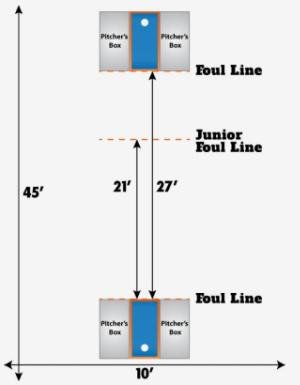
The official distance for a cornhole game is 27 feet between the front edges of the boards.
Ever wondered about the perfect setup for a friendly game of cornhole? It’s a common question, and understanding the right measurements is key for enjoyable gameplay. Specifically, people often ask: what is the distance for cornhole game?
Getting this distance correct is vital for fair competition and making sure everyone has a chance to land those satisfying bean bag throws. Too far, and it’s frustrating, too short and its just not quite right. So, remember that 27 feet and get ready for some fun.

What Is the Distance for Cornhole Game?
Alright, let’s talk about the real deal when it comes to cornhole – the distance! It’s not just about tossing bags; it’s about tossing them the right distance. Understanding the official measurements is key whether you’re playing in a backyard barbecue, a serious tournament, or just having fun with friends. Getting the distance wrong can throw off your whole game. So, let’s dive deep into what makes a proper cornhole setup, and why the official distance is so important.
Official Cornhole Distance: The 27-Foot Rule
The most important thing to remember when setting up a cornhole game is the official distance. For adults and most competitive play, the front edges of the two cornhole boards should be exactly 27 feet apart. Yes, 27 feet! Not 26, not 28, but precisely 27 feet. This distance provides the challenge that makes cornhole the fun and engaging game it is. This distance is typically referred to as the “regulation distance” or the “official distance”.
Think of it this way: Imagine two lines, one at the front edge of each board. These lines are called the “foul lines,” and they’re what you use to measure the 27-foot distance. Don’t measure from the back of the boards, measure from the front edges where the game is actually being played. That’s the spot where the magic of landing a beanbag in the hole happens. This 27 feet is the standard for official leagues and tournaments, so if you want to play by the rules, this is the measurement you have to remember.
Why 27 Feet? The Purpose of the Distance
You might be asking, why 27 feet specifically? Well, it’s not a random number pulled out of a hat. This distance has been carefully chosen to create the right level of difficulty and encourage skill.
Here’s why 27 feet is the sweet spot:
Challenges Skill: The distance isn’t too short where it becomes ridiculously easy, and it’s not too long where it feels like a shot in the dark. The 27-foot distance tests your aiming ability, your throwing technique, and your consistency.
Fair Competition: This distance provides a consistent playing field for everyone. By maintaining a standard distance, it ensures all players face the same challenge, allowing for a fair comparison of skill. It’s the basis for any fair match.
Promotes Strategy: The 27-foot distance allows for different strategies to develop, from blocking techniques to strategic throws. The distance demands more precise shots, as a small difference in your throw angle or force can significantly alter the bag’s trajectory and where it will land.
Fun for All Skill Levels: While the distance is challenging, it’s not so difficult that beginners can’t enjoy the game. It gives newer players room to grow and improve their technique while ensuring the game stays competitive for those more experienced.
Consistent Game Experience: Whether you’re playing at a local barbecue or a big competition, knowing the standard distance is 27 feet ensures you’re always experiencing the game as intended.
Shorter Distances: Playing with Kids or Casual Games
While 27 feet is the official distance, there are absolutely times when you might want to adjust it, especially when playing with younger kids or in a very casual setting. It’s all about having fun and making the game accessible to everyone.
Here are some things to consider for shorter distances:
Kids’ Distances: When playing with children, especially those under 10, you’ll want to shorten the distance significantly. A good starting point might be between 10 to 15 feet, allowing them to have a better chance of landing beanbags on the board and experiencing the fun of the game. You can adjust this as they get better at throwing.
Casual Play: Even if you don’t have kids playing, you might opt for a shorter distance for casual games. This can make for a more relaxing and less competitive atmosphere. Maybe you’re playing in a smaller backyard or on a balcony. Don’t feel bound by the regulation distance if you want a more laid-back time.
Experimentation: Feel free to try different distances and see what everyone enjoys. Playing around with the spacing can help you figure out what works best for your group.
When using shorter distances, remember that the goal is to have fun and make the game accessible. If someone is struggling to even get the bag near the board from 27 feet, move it closer to keep the spirit of the game light.
Measuring the Distance: Practical Tips
Okay, so you know that the regulation distance is 27 feet. But how do you make sure that you actually get it right when setting up? Here are some easy tips for measuring your cornhole distance:
Use a Measuring Tape: This is the most accurate method. Grab a measuring tape that’s at least 27 feet long. Carefully stretch it from the front edge of one board to the front edge of the other. Make sure the tape is straight and not sagging.
Mark the Spots: Once you’ve measured 27 feet, you can put a small marker on the ground, such as a piece of tape, to show where the front edge of each board should be. This way, you don’t have to re-measure each time.
Use a Piece of String: If you don’t have a measuring tape long enough, a piece of string or rope of the right length will work too. Cut the string to 27 feet and use that to help you set up your boards.
Foot Counting: As a less precise method, you could “foot-count” the distance. Generally, a large step, is roughly about 3 feet in length, so about 9 steps will give you a rough estimate of 27 feet. However, this isn’t ideal for precise measurements because everyone’s steps are different lengths. Only use as an estimate.
Check Often: After setting up your boards, give them a quick check to make sure they are still 27 feet apart. During a game, especially on uneven ground, boards may shift a little, so keeping an eye on the distance ensures the game remains fair.
Level Playing Surface: In addition to checking the distance, take a look at the ground on which you’re playing. Uneven ground can make the game less fun. Flat ground is important to ensure a fair playing surface, so try your best to set up on a level area.
Cornhole Board Dimensions: The Important Details
While we’re talking about distances, let’s quickly touch on the standard size of cornhole boards. These dimensions are also important for consistent and fair play.
Here are the official board dimensions:
Size: Each board should be 48 inches long (4 feet) and 24 inches wide (2 feet). This is the standard size for regulation boards, so if you are looking to buy a set or make your own, keep this in mind.
Hole: The hole on each board should be 6 inches in diameter. This hole is centered in the width of the board and the edge of the hole should be 9 inches from the top of the board and 12 inches from the bottom of the board. It should be in the middle of the board and it is the most important part of the game.
Board Thickness: The thickness of the plywood should be at least 0.5 inch. It is essential to provide strength to the cornhole board. The recommended thickness is 0.75 inch which provides more strength and stability to the board.
Board Material: While other materials can be used, plywood is the standard for cornhole boards. It’s durable, provides a good playing surface, and is easy to work with when making your own boards.
Having the correct board dimensions, along with the official distance, will mean you are playing a game that is as close to the standard as possible.
Cornhole Pitching Area: Where Do You Stand?
Now that we’ve covered the distance and the boards, let’s discuss where you should be standing when tossing those beanbags. The “pitcher’s box” is the area designated for the person tossing the bag, and the rules for this are fairly straightforward.
Here’s what you need to know about the pitching area:
The Foul Line: The foul line is the front edge of the board. Your feet cannot go past this line as you are tossing the bags. If they do, this is considered a foul and your points won’t count. So, stay behind it when throwing.
Box Location: The pitcher’s box is the space adjacent to the left and right sides of the board. You should be standing within the pitcher’s box when you make your throw.
Throwing From Both Sides: You are allowed to throw from either side of the board during a match, however, you have to stay in the same box for the course of the game.
Staying Behind the Line: It’s important that you do not step over the foul line while throwing. A foul will be called if you step beyond the line, and the bag doesn’t count for points.
Understanding the foul line and the location of the pitching boxes is part of ensuring the game is played correctly, in accordance with the rules.
Cornhole Bag Specifications: The Final Touches
Although we’ve spent most of the time discussing the distances, it’s worth mentioning the specifications of the bags themselves, as they also impact the game.
Here’s the skinny on cornhole bags:
Material: Cornhole bags are usually made from duck cloth or a similar durable material. They are designed to withstand repeated use and tosses.
Size and Weight: Official cornhole bags should be 6 inches square and weigh 16 ounces (1 pound). It’s important to note that weight is extremely important and not just the size.
Fillings: Traditionally, corn bags were filled with dried corn kernels. Nowadays, resin pellets are more common because they are more weather-resistant and won’t attract pests. This can be important if you plan to play outside or store the bags in a garage or shed.
Using the correct bags that adhere to these specifications makes the game more balanced and fair. You can check for correct specifications of the bags if you are purchasing your own.
Maintaining the Distance for Consistent Play
Finally, it’s important to keep your game distance consistent. It’s not enough to measure it once and forget about it. Here are a few pointers:
Check Before You Play: Before each game, quickly check the distance and board positions to be sure they haven’t been moved.
Monitor During Play: If you’re playing on soft grass or uneven surfaces, boards could shift during play. It’s a good idea to make a habit to quickly check if the boards have moved between games or during a game if you notice some unevenness.
Be Mindful of the Surroundings: The surroundings can affect the distance and play of the game. If you are playing outdoors, strong wind and uneven surfaces can affect the game. Make sure that the surface is flat and as level as possible and try to avoid locations where there is a strong breeze.
Keeping consistent distance and conditions, enhances the overall enjoyment of the game, no matter if it’s for a relaxed game or a full-blown tournament.
In the end, the right cornhole distance is what makes the game challenging and fun. The standard 27-foot distance is the key to fairness and competition, but adjusting the distance for kids or casual games is also fine. By understanding how to measure the distance and how to maintain it, you’ll have an even better experience. Remember to check those measurements, keep the boards in place, and you’ll be ready to go in no time. The perfect cornhole game awaits, so grab your bags, set up your boards, and get ready to play!
How to Play Cornhole | Official Cornhole Rules | American Cornhole Association
Final Thoughts
The official distance for cornhole game is 27 feet between the front edges of the boards. This applies for competitive play. Backyard games often have a shorter distance.
Recreational players might modify the distance based on space. The board to board distance can vary. Remember that the standard “what is the distance for cornhole game” for formal games is always 27 feet.

